

Living with Beavers
FUN FACTS ABOUT OREGON'S BEAVERS
- The American Beaver (Castor canadensis) is the largest living rodent in North America.
- Adults average 40 pounds in weight and measure more than three feet in length, including the tail.
- Their nose and ears seal out water.
- These semi-aquatic mammals have webbed hind feet, large incisor teeth, and a broad flat tail.
- They have poor eyesight, but excellent hearing and sense of smell.
- The beaver's sharp incisors, which are used to cut trees and peel bark while eating, are harder on the front surface than on the back so the back wears faster creating a sharp edge that enables a beaver to easily cut through wood. The incisors continually grow, but are worn down by grinding, tree cutting, and feeding.
- Beavers are territorial and mark their territory by creating small mounds of mud, leaves, and sticks, which they then cover with a pungent excreted oil called castoreum.
- Once among the most widely distributed mammals in North America, beavers were trapped virtually to extinction in the 1800s to meet demand for beaver pelts. A subsequent decline in demand coupled with formal wildlife management and regulated harvest allowed beavers to become reestablished in most of their former range across North America and are now common in many areas, including urban settings.
- Beavers are found in aquatic habitats where their preferred foods are in good supply―along rivers and small streams, lakes, estuaries, marshes, and even roadside ditches that have adequate year-round water flow. In waterways where deep, calm water is not available, beavers will modify habitat to create impoundments by building dams across creeks or other flowing water courses.
Beavers play a vital role in Oregon's ecosystems, but their activities can sometimes lead to challenges for landowners, such as flooding and plant damage.
The following are suggestions of practical, non-lethal methods to deter beavers and mitigate the impact of their natural behaviors to protect your property.
BEAVER DAM BENEFITS
- Reduce bank erosion by slowing water flow and encouraging streamside plant growth.
- Clean water by filtering sediment and organic material.
- Improve salmon rearing and spawning habitat by creating pools where young fish can feed and hide from predators.
- Create firebreaks and slow the spread of wildfire by keeping streambanks wet and vegetation green even when it's hot and dry.
- Raise the water table bringing water to nearby plants and crops and reducing needs for irrigation.
FLOODING DAMAGE
- When beavers build dams, the resulting rise in water level can cause damage to property and infrastructure. There are ways to control the water level without removing beavers. When installed and maintained correctly, flow devices like pond levelers move water through beaver dams and prevent beavers from being able to stop the release of impounded water above the dam.
- Beavers may block or clog undersized culverts, but when installed and maintained correctly, fencing or decoy dams can be used to keep culverts clear of large debris.
PLANT DAMAGE
- Beavers eat woody plants and use branches for damming material. There are several long-term solutions to prevent them from cutting down ornamental and crop plants, including fencing, strategic plantings, and other deterrents.
WHAT LANDOWNERS NEED TO KNOW
- With the passage of the 2023 "Beaver Bill", beavers are no longer predatory animals and solely classified as furbearers in Oregon.
- The bill encourages co-existence with beavers, rather than lethal take, wherever possible.
- Use of non-lethal deterrents can prevent recurring damage as new beavers often move in following removal of existing beavers.
- Contact ODFW for assistance with beaver-related damage. ODFW fish passage approval may be required for flow device or culvert fencing installation.
- An ODFW permit is required to remove beavers causing damage, except for licensed furtakers within established regulations, permitted Wildlife Control Operators (WCOs), and situations where beaver on private forestlands are damaging or "imminently threatening" infrastructure or agricultural crops or forestland. Contact ODFW for details.
- All beaver removal, permitted and exempted, must be reported to ODFW.
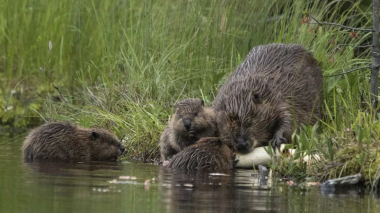
Nearly wiped out in much of their historic range by early fur trappers, American beavers are now restored to many state waters due to improved management, greater awareness of their benefits, and less demand for fur.
The beaver has been so significant in Oregon's history that it is our state symbol, the mascot for Oregon State University, and holds honor on the reverse side of Oregon's state flag.
Receive Beaver Action Plan Partnership Updates by E-mail
Resources
ODFW Living with Wildlife: American Beaver (pdf)
ODFW Living with Wildlife: American Beaver (flier) (pdf)
ODFW's 3-Year Action Plan for Beaver-Modified Landscapes (pdf)
ODFW Beaver Emphasis Area primary contacts map (pdf)
Beaver Action Plan Partnership Meetings (pdfs)
• April 3, 2025 Agenda and Meeting Link
• November 18, 2024: Agenda and Meeting Link
• May 28, 2024: Agenda and Meeting Link
• February 20, 2024: Agenda and Meeting Link
American Beaver Activity Survey Protocol for the Pacific Northwest (pdf)
Landowner Survey on incentives and Tolerances for Managing Beaver Impacts in Oregon (pdf) (2011)
Beaver bibliography (pdf): An annotated bibliography of published literature on beaver (2008)
Oregon State Animal: (pdf) American Beaver Fact Sheet
Explore Related Articles

wildlife viewing
Share your wildlife sightings through the Oregon Wildlife Conservation project
Join the community scientists who have shared their wildlife observations in Oregon throughout the iNaturalist app. Record your sightings of mammals, birds...

Each year over 9 million Oregonians and visitors head to the mountains – and the desert, and the beach –...

Can't find a place to see Oregon’s iconic spring chinook salmon spawning? Want to cross the ferruginous hawk off your birdwatching...

Support Oregon's Wildlife
When you buy a Habitat Conservation Stamp, you are helping to conserve Oregon's native species and their habitat.