
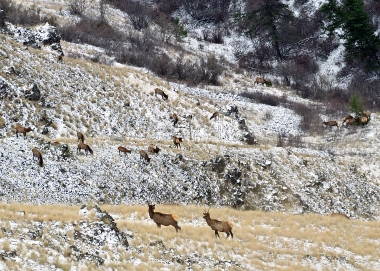
Hunter's technique for Big Game success
Hunter's Bounty Hunter's Plan Hunter's Guide Hunter's Resources
The goal in using key elements to spot the animal before it spots you include moving slowly and quietly, maintaining situational awareness, controlling your scent, being patient and approaching your target undetected.
Locating game
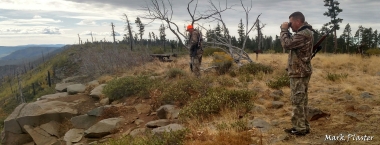
- Scout - use binoculars, spotting scopes, and range finders to locate and observe movement. Calculate distance to move within shooting range.
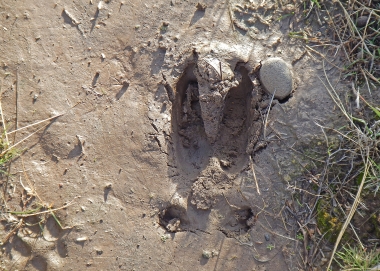
- Track - follow the signs and patterns of animal behavior and habitat. Finding water and food sources along with bedding areas, these locations will increase your odds of finding game.
Tactics
- Spot & stalk - stealthily approach identified game and take your shot.
- Still hunting - plan to move slowly through an animal's habitat, stopping to scan and listen for game. Use of natural thicket, camouflage, and staying in the shadows will help to conceal your presence.
- Blinds & Tree stands - waiting in a concealed position or hunting from an elevated spot along a well travelled path allows animals to pass by and gives hunters a strategic advantage or a "bird's eye" view.
Method
- The four primary shooting positions are prone, sitting, kneeling, and standing (or offhand). Each position has different levels of stability. Hunters choose their stances based on the terrain, vegetation, and the time available to take a clean shot.
Attraction
- Calling & rattling - mimic animal noises to bring in or drive game to a specific location within shooting range.
Avoid detection
- Wind - keep the wind in your face, preventing scent detection, take steps to mask or eliminate human scent.
- Weather - keep the sun at your back, use humidity to reduce noise and light to improve visibility.
- Terrain - take advantage of ridges and funnels, natural routes are good places for animals on the move.


Find the latest Recreation Report
Current conditions and opportunities to fish, hunt and view wildlife. Updated weekly by fish and wildlife biologists throughout the state.