

Yelloweye Rockfish Declared Recovered
It's the latest success story for marine fish conservation, thanks to a team effort between agencies and fishermen. Limited fishing opportunity for yelloweye should return for the first time in more than 20 years beginning in 2027.
A generation has passed since most ocean sport anglers and commercial fisherman could harvest and eat or sell a yelloweye rockfish. These popular groundfish suffered a historic collapse and were declared a federal disaster in the early 2000s, with recovery projections many decades long. In the latest success story for marine fish, yelloweye joins canary, widow and bocaccio rockfish in the recovered category, and years ahead of schedule.
The Pacific Fishery Management Council recently recommended that the National Marine Fisheries Service declare yelloweye rockfish rebuilt in 2026 based on new stock assessments and getting back to 40 percent of what the population was before stocks were depleted by fisheries through the 1990s.
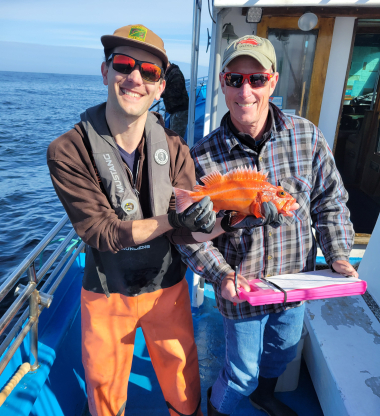
The success story is part of a Team effort that included sport anglers and commercial fishermen, state and federal scientists, coastal communities, universities, marine science groups and councils.
- Fishermen avoided yelloweye rockfish for 25 years to help with rebuilding the stock. Protections for habitat where juveniles hang out also helped along with regulating bycatch.
- An increased use of descending devices by fishermen to release deep water fish back to pressures they could readjust to and potentially survive helped more yelloweye rockfish survive.
- Finally, the innovative long-leader fishing gear that was developed by two Oregon fishing legends helped protect yelloweye rockfish while keeping anglers fishing for other rockfish, lingcod and cabezon.
Yelloweye rockfish are the elders of the rockfish world and can live well-over 100 years. That also tends to mean they are late-maturing fish that might need a decade or two to reach spawning maturity. Yelloweye rockfish also reproduce through live birth rather than by depositing eggs. These things that make them unlike other fish also made them susceptible to overharvest in a short period of time and the cost of recovery is very high and lengthy.
With a vastly different life history strategy than other fish and the fact that they tend to be an offshore species, fisheries managers are taking a cautious approach to allowing some harvest of Yelloweye rockfish in 2027.
"We're not going to go wide open on anything," said Lynn Mattes Marine Fisheries Section Manager for ODFW, "We're putting a lot of buffers, including a catch target that's 20 percent lower than we could." (For the recreational fishery, the regulation proposal is to allow retention of one yelloweye rockfish during May in the recreational fishery and limited commercial fishing for yelloweye rockfish.)
This, Mattes explained, is because some harvests might help fisheries managers better understand what populations off Oregon look like.
"Retention would give us more data than we've been able to get in years," Mattes said.
Without biological data, it's difficult to know exactly what the population is doing in between stock assessments, which may be a decade apart. One of the downsides of a complete fishing ban is lack of biological data to compare to other areas within the Yelloweye rockfish range from Southern California to Alaska's Aleutian Islands.
Some of the safety measures for a return to fishing for Yelloweye rockfish include a coast-wide limit of 116 metric tons in 2027 and a recreational fishery that lasts just a month or two rather than a full year and very low limits in commercial fisheries.
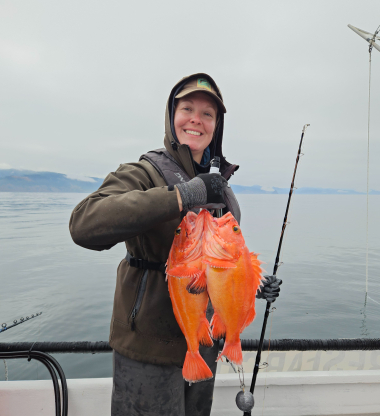
"When I first started, the allowable harvest was 2.5 metric tons for the Oregon recreational fishery," Mattes remembers. "Fishing industries have been hard hit, because they have to avoid yellow rockfish altogether." This meant protecting parts of the ocean by severely restricting commercial fishing as well.
In 2013, Mattes said ODFW and Marine Program began actively promoting recompressing rockfish, which involves releasing a rockfish back at depth, allowing them to potentially recover from the traumatic effects of being reeled up from deep water.
Long-leader fishing gear was developed by industry researchers along with fishing legends Bob Hannah and John Holloway, allowing angling gear to stay up off the bottom to target healthy midwater rockfish species and away from yelloweye rockfish.
This avoidance strategy really helped, because it allowed this slow-maturing species the time it needed to recruit juvenile fish into the population enough to continue to produce future generations rather than continue to deplete them.
Combined with what fisheries managers know from the ban on fishing for yelloweye rockfish, the new data from limited harvest opportunities will help paint a better picture of what sustainable harvest looks like.
Header image: Ryan Fields with yelloweye rockfish. Photo by ODFW

Check out the Latest Recreation Report
Current conditions and opportunities to fish, hunt and see wildlife. Updated weekly by fish and wildlife biologists throughout the state.