
Search myodfw.com
Showing 1 - 20 of 85 results
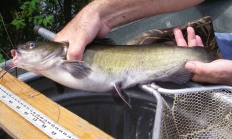
Features: Channel catfish are pale bluish-olive above and bluish-white below with a deeply forked tail, dorsal and pectoral spines, and an adipose fin. Like all other catfish, channel catfish have “whiskers” or barbels extending from the chin and upper jaw. Young fish have a varying number of small black spots over much of the body, while older fish may be partially or entirely without spots. Maximum size in Oregon approaches 40 pounds, but most are less than 10 pounds. Habitat: Channel catfish in western Oregon are limited to the Columbia River, lower Willamette River, and a few ponds in the…


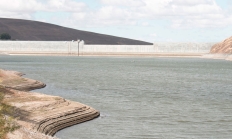
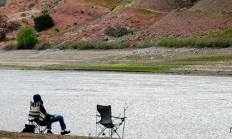
SNAKE FISHING April 16, 2026 Best bets for weekend fishing Bass and trout can be caught downstream of Hells Canyon Dam. As the weather warms, fishing for bass, perch, and crappie will get good in Hells Canyon Reservoirs Announcements: Updates by section BROWNLEE RESERVOIR: Crappie, bass, perch, catfish, carp Recently, crappie fishing has started to pick up with some nice sized fish being caught. There were some good catches of perch, but that has since started to slow. Although early in the year, some catfish are being caught. Bass fishing will likely get better as warmer weather sets in. As…


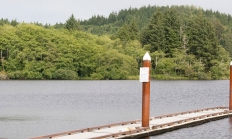


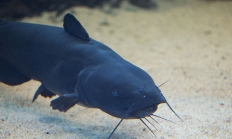
Features: Bullheads present in Oregon are distinguished from channel catfish by their square or rounded tails and lack of spotting. They seldom exceed 18 inches in length and a weight of 2 pounds. Yellow bullheads are a more uniform yellow color with white or cream chin barbels and a rounded tail. Habitat: Bullheads are found on the bottom in the shallows of mud-bottomed ponds, lakes, reservoirs and backwaters of rivers. The yellow bullhead is found mainly in the Willamette basin. Technique: Bullheads can be caught any month of the year, but fishing is best from the first warm days of…

Features: Bullheads found in Oregon are distinguished from channel catfish by their square or rounded tails and lack of spotting. They seldom exceed two pounds and 18-inches long. Brown bullheads are a mottled yellowish-brown with a yellow belly and dark chin “whiskers” or barbels that are white near the base. They have a square tail. Habitat: Bullheads are found on the bottom in the shallows of mud-bottomed ponds, lakes, reservoirs and backwaters of rivers. The brown species is common throughout the state. Technique: Bullheads can be caught any month of the year, but fishing is best from the first warm…

Features: Bullheads present in Oregon (brown, yellow and black) are distinguished from channel catfish by their square or rounded tails and lack of spotting. They seldom exceed two pounds and 18-inches long. Black bullheads have a square tail with a light vertical bar at its base and chin barbels that are all dark. Habitat: Bullheads are found on the bottom in the shallows of mud-bottomed ponds, lakes, reservoirs and backwaters of rivers. The black bullhead is primarily in reservoirs and streams tributary to the Snake River. Bullheads feed on almost any type of plant or animal material; insect larvae and…
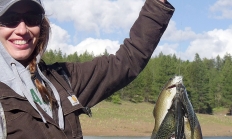

The granite peaks of Oregon’s Blue and Wallowa Mountains form the backdrop for many of this zone’s glacier-carved lakes and crystalline streams. Bull trout thrive in this zone’s cold, clear rivers, which also sustain whitefish and rainbow trout, and welcome returning runs of hatchery-reared steelhead. Chinook salmon travel over 300 miles up the Columbia to spawn in rivers such as the Imnaha and Wallowa. Warmwater fisheries are few, but the John Day River offers world-class fishing for smallmouth bass.