
Search myodfw.com
Showing 141 - 160 of 795 results
Features: Similar to the greater scaup in appearance and habits, but smaller and lacking the white on the primaries. In the field, however, the black-and-white drakes and brown hens are very similar to greater scaups. Habitat: In general, the lesser scaup is more likely to be found in interior or freshwater habitats while the greater scaup is more a coastal bird. Techniques: Scaup are rafting birds attracted to large spreads of scaup decoys. Popular hunting destinations include coastal estuaries and lakes, where most hunters hunt from a boat. However, in the marshes of eastern Oregon, there can be good hunting…

SALEM, Ore.—ODFW will host a series of online public meetings in July with district wildlife biologists presenting proposed changes to next year's big game regulations and getting feedback. Each meeting will include a presentation on 2026 proposed regulations, a Q&A and opportunity for public comment. Proposed 2026 tag numbers and…
Features: In breeding plumage, green-winged drakes have a cinnamon-colored head with a green eye-stripe, gray back, flanks, and a bright patch of iridescent green on the rear of the wing (speculum). Hens are brown with a green speculum. Habitat: Green-winged teal are primarily winter migrants in Oregon. They are puddle (dabbling) ducks that prefer shallow areas like ponds and marshes, where they feed on or near the surface of the water by tipping up. Techniques: Teal are early migrants that begin arriving in Oregon in August but will continue to arrive into November. There are good early season hunts in…

Features: Canada geese come in many sizes and colorations. All have the same general long, black neck and white chinstrap. Their breast color can range from light gray to a dark brown. Habitats: Canada geese have become abundant in many city parks and agricultural fields where forage grasses are available. They can be found floating in bays, estuaries, rivers, reservoirs and lakes as well. Techniques: Canada geese can be hunted like other waterfowl. From jump shooting to calling birds into a decoy spread, Canada goose hunting can be productive. Note: If you want to hunt geese in Northwest Oregon, a…

Wild turkeys are not native to Oregon but were first successfully introduced in 1961. Since then more than 10,000 turkeys have been transplanted to locations all over Oregon and continue to thrive in most game units through the state. Turkey hunting is a popular activity in Oregon and has grown more than ten-fold since a statewide spring season opened in 1987. Oregon’s six-week spring turkey season is among the most liberal in the United States. Hunters have an opportunity to take up to three gobblers during the spring season and up to two birds during the fall, one of which…

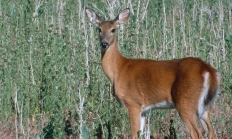
Features: Oregon’s rarest deer has a brown tail that is longer than a blacktail’s wide tail. Its antlers will branch off from a single main beam, unlike mule deer and blacktail antlers that branch twice. Habitat: The Columbian whitetail is a subspecies unique to Oregon and southwest Washington and found in just a few locations—along the lower Columbia River in Oregon and Washington, and in the Umpqua Basin near Roseburg (where it is expanding its range). Techniques: Just a few controlled hunts for this subspecies exist in the Umpqua Basin region and tags are limited; see the regulations for details.
Features: Both the male and female are gray or reddish-brown on the body with dark bars and spots throughout. They have variable tail colors but always have a black band near the tip. Habitat: Ruffed grouse are most commonly found in brushy riparian areas in eastern Oregon and in early-aged mixed woodlands in western Oregon, though birds may be found in pockets of good habitat nearly anywhere. Technique: The ruffed grouse is a bird of the edge, so look in edges of meadows, clearcuts, and where brushy growth meets timber. In September, when most ruffed grouse hunting takes place in…

Features: Brant are a small to medium-size goose. They have smoky black backs and bellies, and dissected white collars and white around the tails provide striking contrast. The brant can live up to 20 years and are resilient enough to ride out storms on the open ocean. Habitats: Brant are primarily found in bays and estuaries, but on occasion can be found inland. They forage on eel grass and other aquatic vegetation. Most of their feeding is in shallow water or in tidal flats. They tend to feed in flocks. Techniques: As with any waterfowl hunting, location is key. Seek…

ONTARIO, Ore.–The Fish and Wildlife Commission voted 5-1 to open a hatchery Chinook salmon season in the Coquille River, the first Chinook season since 2021, during their meeting today in Ontario. The Coquille River will be open for fall salmon fishing from Sept. 13-Oct. 15 from the Hwy 101 bridge…

Additional events coming soon
Multiple locations
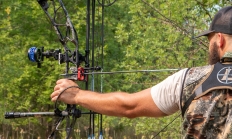
SALEM, Ore.— If you are considering registering for a youth pheasant hunt, it is not too late. More slots have opened for many youth pheasant hunts being held statewide this month after duplicate registrations were removed from the system. "We've heard some parents have been unable to sign up their…
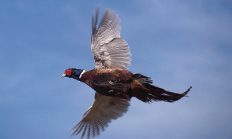
SALEM, Ore.— ODFW will host a series of free upland game bird hunts for youth hunters starting in September. The hunts will take place around the state and youth hunters (age 17 and under) who have completed hunter education by the time of the event can sign up now for…
SALEM, Ore. – The Oregon Department of Fish and Wildlife is accepting applications for the Chair position on the state Access & Habitat (A&H) Program Board. The deadline to apply is April 3, 2026. Application forms and additional information are available at: http://www.dfw.state.or.us/lands/AH/get_involved.asp The current Chair has completed the maximum…
SALEM, Ore.–The Fish and Wildlife Commission meets Sept. 11 and 12 in Ontario for a field tour on Thursday and a regular meeting on Friday. See agenda here. The meeting will also be livestreamed from the Commission page. To testify on an agenda item virtually, register on the agenda page…
Features: The other "greenhead", the drake is handsome with a dark iridescent green head, white breast, reddish belly, blue wing patch of coverts, and an iridescent green speculum. Brown hens also have blue wing patches similar to that of the cinnamon and blue-wing teal. Habitat: This dabbling duck prefers lakes and ponds where it uses its unique bill to sift through water in shallow areas. Food choices include the seeds of sedges, bulrushes and other aquatic plants, duck weed, and algae; also aquatic insects, mollusks and crustaceans. Common winter species in the Willamette Valley and Columbia Basin, but widespread throughout…

The transition from forested foothills of Mt. Hood to the beginnings of the Columbia Basin offers bird hunters an array of wing shooting opportunities.
Features: The pronghorn is deer-sized (up to 150 lbs) with relatively long and thin legs and feet, only two digits on each foot (no "dew claws"), a relatively small tail, and unique horns. Bright white sides, underside and rear end help hunters spot them in the field. Habitat: Pronghorn are found in the High Desert sagebrush of eastern Oregon and the Columbia Plateau. Techniques: Most pronghorn hunts happen in August, before other big game seasons, so be ready for the High Desert’s warm summer temperatures. All pronghorn hunting is limited entry (apply by May 15) and it can take several…

Various dates in September and October
Statewide
Features: Both male and female mountain quail have a tall, straight, head plume that is black. They also have a chestnut brown throat patch that is bordered by a white stripe. Their head and shoulders are a gray color that fades into olive-brown on their backs. Their sides are brown with several black and white stripes making them a beautiful bird. Habitat: Mountain quail are native birds found on both sides of the Cascades. They thrive in the natural brushlands of southwestern Oregon and are also found in northwestern Oregon when suitable habitat is created by logging, fire or other…
