

2026-27 Game Bird Hunting Forecast
Key changes for the Game Bird Hunting Regulations this year, include:
- Duck seasons in Zone 1 and Zone 2 open on different weekends, as they generally did before 2023 Migratory Game Bird Seasons.
- The bag limit for white-fronted geese has been reduced to 6 per day.
Upland game bird statewide overview
After a mild winter followed by a summer of record-breaking wildfires, upland bird populations are holding steady in the state but locally affected by the fires. Hunters will still find abundant populations across the state due to good overwinter survival but should expect to find fewer juveniles per adult than last year. Upland bird populations can vary greatly from year to year depending on weather and habitat conditions.
Summer surveys indicate lower chick production for most species from the previous year. Forest grouse populations are generally strong with some local exceptions. Biologists noticed that many upland game bird species initiated nesting very early in 2026 due to the virtually non-existent winter. This strategy did not seem to pay off as many of these early nests failed. Second nesting efforts contributed to some additional recruitment for this year's upland bird populations.
Habitats can take a long time to recover from the effects of wildfire, which can make birds vulnerable to various stressors, such as disease, predation, and poor nutrition. Hunters should focus on hunting intact habitats where there should still be plenty of birds to go around. Remember to check for access closures related to fires.
The High Desert, known for excellent California quail and chukar hunting is showing a boom in quail numbers and a slight improvement in chukar numbers from the previous year. Unfortunately, this area was also impacted by some very large fires, but there is still plenty of room to find upland game birds in this vast area. Pheasant numbers are also up in the High Desert, but unfortunately fire-related closures on the Malheur National Wildlife Refuge will affect access to some of the area's best pheasant hunting.
Northeastern Oregon also experienced some large scale fires in the Baker District that affected some prime chukar habitat, particularly around Brownlee Reservoir. Overall chukar numbers were down in this area, but California quail are having a big year. Further north, the Wallowa District is looking excellent for both forest grouse and California quail.
The Columbia Basin, the heart of Oregon's upland bird hunting, is not seeing the quail boom of the rest of eastern Oregon, but chukar and gray partridge are up from the previous year. Pheasants will be down slightly.
Western Oregon had mild winter conditions, but severe thunderstorms during the brood rearing period could have some local impacts in the Cascades, particularly on ruffed and blue grouse. Mountain quail are responding to the post-fire habitats in the Cascades and Coast Range, colonizing these early seral habitats and reproducing in good numbers.
Here's what our surveys found for upland bird species:
Pheasants
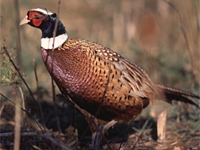
Pheasant populations are up in eastern Oregon, which seems to be driven by good returns in the Mid-Columbia, Malheur, and Union districts. Pheasants were down in the Heppner, Umatilla, and Harney districts.
Western Oregon pheasants remain in certain margins of agricultural land but are generally hard to find. In Oregon, hunters can most often find pheasants in the remaining permanent cover associated with the edge of agricultural fields, irrigation ditches, fencerows or seasonal wetlands.
California quail
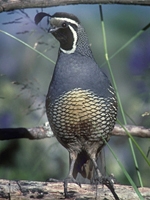
California (valley) quail populations are booming in Oregon this year, exceeding the previous peak from 2015. While the hatch didn't show large numbers of chicks, adult quail survival was high. These gains are driven by the Baker, Grant, Malheur, Umatilla, and Union districts. The Harney and Heppner district quail counts were down this year, but these districts always hold large total numbers of birds.
Hunters will find California quail at lower elevations of eastern Oregon typically associated with a permanent water source and early successional, brushy habitat.
Chukar

Chukar, known for their large annual population fluctuations, are down again this year, returning to populations levels similar to 2022, before the boom in 2023-24. While chukar numbers may not match what we've seen lately, there will still be lots of birds to be had in eastern Oregon.
Best bets for this year are the Malheur, Harney, and Grant districts. Baker still has strong chukar numbers, but experienced major fire impacts to some of the better known hunting areas. Heppner and the Mid-Columbia will have average numbers of chukar this year. Hunters should look for chukar in the large drainages and unforested rimrock country of eastern Oregon.
Forest grouse
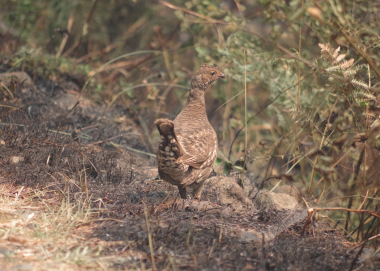
Forest grouse populations are difficult to survey, so we primarily consider nesting and habitat conditions in the forecast. Forest grouse populations in the Coast Range are in a fairly steady pattern for both ruffed and blue (sooty) grouse. Hatching conditions were possibly a little wet and cold, which could affect chick recruitment. The Cascades continue to be a stronghold for western Oregon grouse, but local impacts from severe thunderstorms could have impacts brood survival.
Eastern Oregon has been enjoying strong forest grouse populations, and wildfire impacts should be minimal in the Blue Mountains. Hunters should explore edge habitats at high elevations for blue grouse, and riparian draws with good brushy cover for ruffed grouse.
Migratory game bird statewide outlook
Ducks & Geese
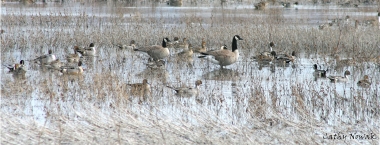
Population surveys in Oregon and across the continent showed a mixed bag for ducks this spring. Locally, populations were generally stable or slightly down from the past several years. Continentally, several species of ducks declined, as wetland conditions, especially in the Dakotas declined due to drought. However, some species, especially diving ducks, showed population gains.
In southeast Oregon, habitat conditions deteriorated relative to last year, after a very dry winter. However, some large basins still held good amounts of water to attract breeding ducks this past spring. Unfortunately, many of these areas will provide poor hunting opportunities this fall as continued drying has led to extensive mudflats. In the rest of Oregon, the dry spring and summer have resulted in dry fall conditions, which is normal. We will need fall and winter precipitation to help flood our seasonal wetland habitats many of our wintering birds rely on.
In Alaska and northwest Canada, most species saw mixed populations estimates, with counts up in one region but down in another, though mallards did see gains in both regions. Conditions in southern Alberta were fair but improved markedly after the survey due to heavy summer rains in much of the region.
Some goose populations that had been doing very well in past decades have continued to decline in recent years. This is especially true for cacklers and Taverner's cackling geese and their declining population status has resulted in major harvest restrictions in the northwest permit goose zone for this season. Additionally, white-fronted geese, while still very abundant, have been showing signs of a declining population in recent years. Although these species remain well below recent highs, estimates did increase for white-fronts and cacklers this spring. Locally, our resident Canada goose flocks remain robust, though flocks in southeast Oregon are continuing to rebuild after drought in recent years.
As usual, hunting success will be dependent on bird numbers and local habitat conditions this fall and winter. Early in the season, those areas with good habitat conditions should provide excellent hunting opportunities for locally produced birds and early migrants like wigeon, green-winged teal and pintails.
Coastal estuaries and the lower Columbia River are always good western Oregon bets for early season. East of the Cascades, hunters should find deteriorating conditions relative to last year as many large wetland basins received almost no spring runoff and have been gradually drawing down all summer. Hunters who plan on traveling should check with the appropriate land manager to get the specifics on their favorite area.
Waterfowl hunters should be aware that Highly Pathogenic Avian Influenza (avian flu) was prevalent in Oregon and across the continent again last fall and winter in wild waterfowl. While this disease does not present a significant health concern for humans, hunters should practice some routine hygiene precautions whenever handling wildlife.
These measures also will help protect you from avian flu or any other disease the bird could be carrying:
- Wear rubber or latex gloves when handling and cleaning game birds.
- Do not eat, drink, smoke or touch your face when handling birds.
- Keep the uncooked game bird and any fluid material associated with it away from other foods.
- Thoroughly clean knives and any other equipment or surfaces that come in contact with uncooked birds. A good cleanser and sanitizer is a commercial chlorine-based cleaning solution or mix one third cup of chlorine bleach per one gallon of water.
- Wash your hands with soap and water for at least 20 seconds after handling birds (or with alcohol-based hand products if your hands are not visibly soiled).
- Cook all game meat thoroughly (up to at least 165° F) to kill disease organisms and parasites. Use a food thermometer to ensure the breast or thigh meat has reached at least 165° F.
Please visit the MyODFW website for more information and updates throughout the season.
Get HIP in 2025-26
Remember, you must have a free HIP validation to hunt any migratory game bird including mourning doves, band-tailed pigeons and waterfowl. If you bought a Sports Pac, you must redeem current season upland and/or waterfowl vouchers before you hunt.
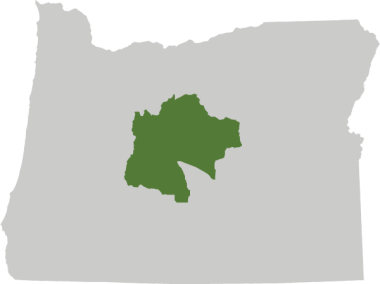
Central Area
UPLAND
WATERFOWL
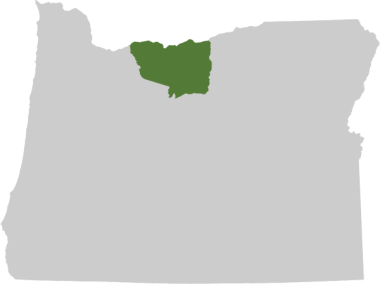
Columbia Area
UPLAND
WATERFOWL
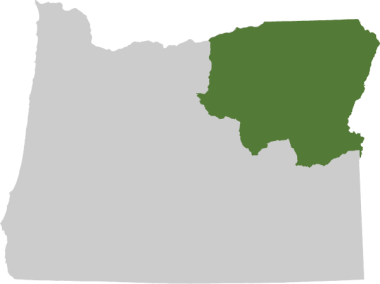
Northeast Area
UPLAND
WATERFOWL
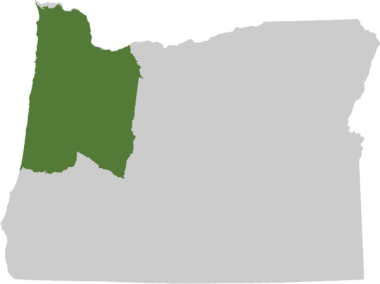
Northwest Area
UPLAND
WATERFOWL
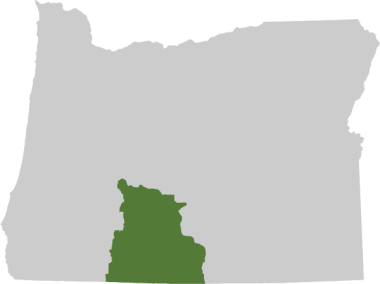
South Central Area
UPLAND
WATERFOWL
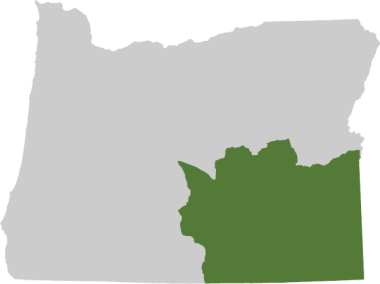
Southeast Area
UPLAND
WATERFOWL
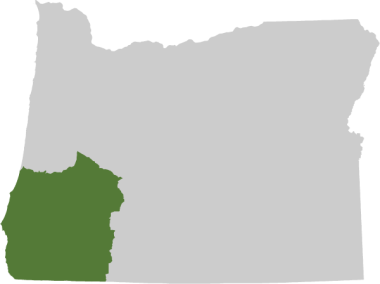
Southwest Area
UPLAND
WATERFOWL

Check out the Recreation Report
Current conditions and opportunities to hunt, fish and see wildlife. Updated weekly by fish and wildlife biologists throughout the state.