
Recreation Report
Willamette Zone
Recreation Report
WILLAMETTE WILDLIFE VIEWING
October 8, 2026
Recreating in drought and wildfire season - actions you can take to protect wildlife.
For the most current fire closures and restrictions--KNOW BEFORE YOU GO.
Corvallis area
There are lots of big game, shorebirds and waterfowl to see on the wildlife area – look for deer, turkey, goose, mallard, hooded merganser and wood ducks.
Note: Dogs are required to be on a leash inside the wildlife area boundary. Rifles and pistols are prohibited year-round.
A parking permit is required to park at EE Wilson Wildlife Area. Purchase a parking permit before your visit.
Eugene area
Observant visitors may catch a glimpse of black-tailed deer and furbearers including beaver, otter, mink, red fox and coyotes. Some of the unusual and special bird species to watch for include white pelicans, black terns, purple martins, band-tailed pigeons, yellow-headed blackbirds, osprey and bald eagles.
Throughout the year look for waterfowl, shore birds, wading birds, songbirds, raptors, reptiles, and amphibians. During summer, visitors may also see Western Pond turtles basking on logs, branches, and rocks in sunny areas of rivers, off-channel ponds, and other wetlands. Please report sightings of turtles here.
An elevated viewing platform in the Fisher Butte unit just south of Royal Avenue is open year-round. A second viewing platform is located 1/4 mile north of the Fisher Butte unit parking lot on Hwy. 126.
A parking permit is required to park at Fern Ridge Wildlife Area. Purchase a parking permit before your visit.
Portland area
Clackamas, Multnomah, Columbia, Washington counties
It's a great time of year to get out and see wildlife in Northwest Oregon, including in the counties surrounding the Portland metro area. Waterways may be fruitful for viewing a variety of birds and their young. There are many active osprey, eagle and even peregrine falcon nests that can be seen from a safe distance along the Willamette, Columbia, Sandy, and Clackamas rivers. Lakes and ponds may provide great opportunities to see resident waterfowl and their offspring.
Glassing meadows and clearcuts with binoculars in the evening and early in the morning may provide opportunities to see black bears, deer, elk, and coyotes, sometimes with offspring in tow. Just make sure to give all wildlife appropriate space and appreciate them from afar.
Eastside units and Westside, Oak Island and North units close to all entry except when in possession of a valid daily public hunt area permit from Oct 1 - Apr 30. Rentenaar Road, Eastside Viewing Platform and Raccoon Point remain open for viewing. Also open is Warrior Rock Lighthouse trail along the Columbia River. It starts at the end of Reeder Road and combines rich community history as well as a great bird-viewing hike.
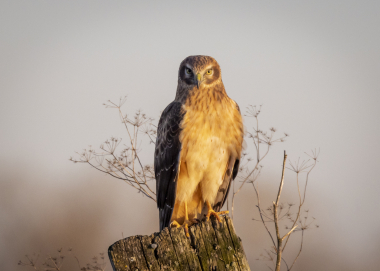
Bird watching is excellent on Sauvie Island. Fall migration has started with a variety of songbirds and shorebirds moving. Shorebirds can be found around Aaron Lake, Mud Lake, and Racetrack. Common shorebirds include least and western sandpipers, greater yellowlegs and killdeer; fewer common species seen recently include semipalmated plover, solitary sandpiper, and red-necked phalarope. Early migrating ducks are starting to arrive including green-winged teal and northern pintails. Breeding ducks are still around with many wood ducks and mallards, but a few cinnamon and blue-winged teal are still around as well. They relish the food and cover provided by the ODFW managed wildlife area. There are still breeding passerines around including warblers and western tanagers. Bald eagles, osprey, red-tailed hawks, and kestrels are plentiful, and a few less common raptors have been seen recently including red-shouldered hawks. Other iconic species such as White pelicans and Sandhill cranes have been observed on Crane, Mud, and Sturgeon Lakes and the eastside farmed land, respectively.
A parking permit is required to park at Sauvie Island Wildlife Area. Purchase a parking permit before your visit.
Sauvie Island Wildlife Area is located on Sauvie Island, only 10 miles north of Portland off Hwy. 30.