South Central Area
Table of Contents
Recreation Report
SOUTH CENTRAL BIG GAME HUNTING
December 4, 2025
Above average snowpack in higher elevations coupled with a low snowpack on winter range bodes well for a great year of antler growth and fawn/calf survival in Lake and Klamath counties. Significant snowpack helped offset a dry spring and early summer. Mild temperatures and late summer rains have us looking forward to an excellent upcoming big game season. Fire areas in recent years have begun to recover and recruitment for deer and elk is up from prior years.
Open seasons
Fall bear, cougar (Check current harvest numbers), coyote
https://www.eregulations.com/oregon/hunting/elk-seasons
Announcements, resources
2025 Big Game Hunting Forecast
Big game harvest statistics - You'll find links to population, harvest and point summary reports that can help you decide what hunts to apply for next season.
Please report elk with hoof disease - If you see elk showing signs of elk hoof disease, including lame or limping elk or elk with damaged, injured, missing or deformed hooves, please report it using this online form.
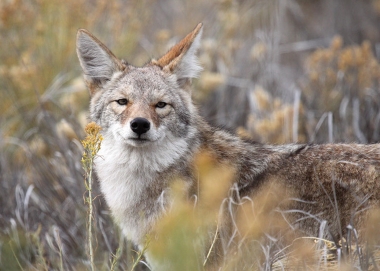
Coyote and wolf ID - Coyote hunters need to take extra care to identify their target as wolves can look like coyotes, especially wolf pups in the mid-summer and fall. Test your ID skills. Please report any wolf sightings or wolf sign to ODFW using the online reporting system.
District updates
KLAMATH COUNTY
Black bear: Populations continue to expand in Klamath county. Keno has the highest density of bears, but they can be found anywhere. Best options include the areas where the landscape is recovering from fire and anywhere fruits and berries are ripening.
Cougar: Cougar season is open year-round, and populations are healthy and distributed throughout the district in any area with a big game prey base. Most harvest occurs while hunters are pursuing deer and elk.
Predator calling or locating a fresh cougar kill can increase chances of success. Oregon does offer an additional cougar tag good all year throughout the state.
Coyote: Populations are currently low but distributed throughout the county. Fawn in distress calling may increase chance of harvest as fawns are typically born in June.
LAKE COUNTY
Elk: Lake County elk densities are very low compared to other portions of the state. The elk we do have are highly nomadic and can cover large distances in search of food or in response to pressure.
Search for bulls in areas away from roads that have been thinned or burned in recent years. (10/28/25)
Black bear:
Fall bear now open. While Lake County has a lower population of bears than other forested parts of the state, the population is on the rise and provides opportunities for hunters.
Look for wet meadows and late berry crops as locations that would attract bears especially around dawn and dusk. Predator calls can work as well, just be prepared to be patient as bears can take longer than other predators to move into a call.
Cougar: Cougar populations are healthy throughout the district. Predator calls can be an effective cougar hunting method though bobcats and bears may respond to predator calls, and separate licensing and season limitations exist for these species. Hunters should be prepared for predators other than cougar to respond.
Coyote populations are generally low, but some hunting is available throughout the district. Be aware that bobcats and cougars may respond to predator calls, and separate licensing and season limitations exist for these species.