Search myodfw.com
Showing 1 - 20 of 307 results
Article
Not enough time to go fishing? Think again—if you live in the Bend, Redmond, Prineville, Sisters or LaPine areas there are a number of great fishing spots just a short drive away. Make sure you read the Oregon Sport Fishing Regulations, and why not grab a friend or family member to go with you? The times and distances listed are from Drake Park in Bend.

Article
Lane County offers so much to explore — from coastal lakes and rivers to mountain lakes and streams. The Willamette River runs through the Eugene-Springfield metro area and is fed by three major rivers: the McKenzie, Middle Fork Willamette and Coast Fork Willamette. Florence is surrounded by large dune lakes, the Siuslaw River and Pacific Ocean. With so many places to fish, it’s no wonder Lane County is an angler’s paradise. For current regulations, call your local ODFW office or check MyODFW.com.
Article
More people in Oregon fish for trout than for any other kind of fish. Anglers can experience a lifetime of varied and rewarding adventures fishing for trout in Oregon’s shaded coastal streams, alpine lakes, urban ponds and high desert rivers.
November 17, 2025

Article
If you’re just getting started fishing, or you want to try a new kind of fishing, you’ll need a rod, reel and some tackle. To help you get started, we’ve put together some fishing outfits for trout, panfish (bluegill, crappie, pumpkin seed, sunfish), bass, steelhead, walleye, salmon and sturgeon.
December 19, 2025

Article
More fish are probably lost because of improperly tied knots than any other single reason. Yet anglers who spend hours practicing their casting or making lures often neglect this simple fundamental. But if tying better knots might help us land more fish, it makes sense to give knot tying a little more attention.

Article
A quick guide to cleaning and storing the fish you catch.
November 17, 2025
Article
Steelhead have been called the ultimate game fish. These elusive and challenging fish can test an angler’s patience and persistence, but the reward is hooking into a fish that is famous worldwide for its line-peeling runs and spectacular, acrobatic fight.

Article
Bass are an increasingly popular game fish even in a state noted for its native salmon, steelhead and trout. Bass often thrive in the urban waters of places like the Willamette Valley where warmer temperatures limit trout fishing in the summer months. Whether you target them in the Columbia or Willamette rivers, a coastal lake or the neighborhood pond, throughout much of the year bass can offer a rewarding fishing opportunity relatively close to home.
October 27, 2025
Article
Surf fishing is one of Oregon’s most underutilized fisheries. There are hundreds of places to fish along Oregon’s sandy beaches, and there are plenty of fish within an easy cast from shore.
March 20, 2026
Article
A dozen great rivers pour out of the Coast Range Mountains into tidal bays that welcome runs of salmon and the sea-going rainbow trout called “steelhead.” Bays are the year-round home to marine perch, rockfish, crabs and clams, while other species come and go with the seasons and the tides. In the Northwest Zone a handful of ponds dot the forested slopes, and there are dozens of dune lakes— many stocked with plump rainbow trout, and some that grow their own largemouth bass, perch, crappie and brown bullhead.

Article
Salmon, steelhead and smallmouth bass offer world-class fishing here year-round. Rainbow trout are stocked in the upper Rogue and in lakes nestled in settings as varied as fir forest and wind-swept dune. Big reservoirs provide fishing for trout and for thriving populations of largemouth bass, catfish, perch and crappie. Coastal bays serve as gateways to rich offshore reef fisheries, and miles of public beach welcome anglers to fish for surfperch against a backdrop of rugged capes.
Article
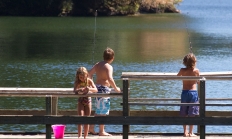
Abundant rainfall feeds the massive Willamette River watershed, tamed by a system of reservoirs stocked annually with hundreds of thousands of rainbow trout. Some of these reservoirs also grow trophy-size largemouth and smallmouth bass, and lots of bluegill, brown bullhead and crappies. Salmon and steelhead navigate the Willamette and its productive tributaries, many of which are also home to rainbow and cutthroat trout.
Article
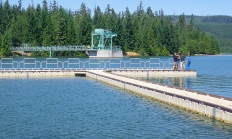
Known for its high desert climate, sage-covered canyons, glacial peaks and mountain lakes, this zone is defined by the reach of Oregon’s finest trout stream. The Deschutes River is no bigger than a creek when it passes close by South Twin Lake on its way toward Wickiup and Crane Prairie reservoirs. But it soon gains power enough to grow athletic rainbow trout. The considerably tamer Crooked River offers good practice if you’re just learning how to keep your footing in a slippery freestone stream.

Article
Wide open spaces, wild windy places, and extreme temperatures characterize Oregon’s largest, most remote fishing zone. Scarcity makes water especially precious here, providing welcome oases in an often rugged, but spectacular landscape. Rainbow trout are native to its streams, including the Williamson, Malheur and Chewaucan rivers. And stocked rainbow and brown trout grow to trophy size in many of its lakes and reservoirs.
Article
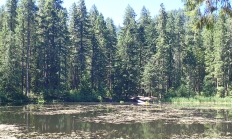
The granite peaks of Oregon’s Blue and Wallowa Mountains form the backdrop for many of this zone’s glacier-carved lakes and crystalline streams. Pack trains are a common sight on steep backcountry trails. Bull trout thrive in this zone’s cold, clear rivers, which also sustain rainbow trout and welcome returning runs of hatchery-reared steelhead. Warmwater fisheries are few, but the John Day River offers world-class fishing for smallmouth bass.

Article
Rabbit hunting is the third most popular type of hunting activity in the U.S., behind wild turkey and deer hunting. Few people take advantage of it in Oregon, but they should—rabbits and hares are abundant and there is no closed season or bag limit. Plus, they taste good!

Article
Just a few miles south of Newport, the town of Waldport is on the shores of Alsea Bay. It is one of Oregon’s estuaries that does not have jetties at the ocean entrance. Strong outgoing tides and ocean swell can make boating near the mouth of the bay more dangerous. Use caution and be prepared if you crab in this area.

Article
Coos Bay is Oregon’s largest bay. The lower bay (areas from the ocean entrance to the airport) is “marine dominated”, meaning there is little freshwater influence, and offers some of Oregon’s most productive shellfishing opportunities.
Article
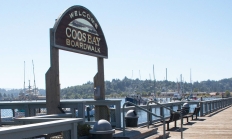
The areas around Bandon, on the Coquille River, have productive softshell beds. The areas near Bandon Marsh National Wildlife Refuge tend to be the most popular. Populations of other bay clams may be found close to the jettys but are mostly subtidal.

Article
Nehalem Bay offers both beach and boat access to softshell and purple varnish clam beds.