Search myodfw.com
Showing 21 - 40 of 705 results
Prioritize what you want out of your hunt Controlled Hunt Application Worksheet Steps on how to apply for a controlled hunt
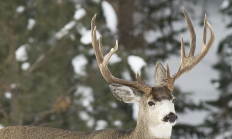

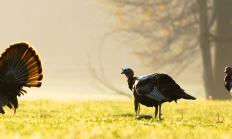
COLUMBIA BIG GAME HUNTING September 10, 2026 Currently open Archery deer and elk, bear, cougar ( check current harvest numbers), coyote, youth only controlled series hunts, general season antlerless elk damage, premium, auction and raffle hunts. Season openings beginning in September Western gray squirrel *Check Big Game regulations for hunt details and purchase your license and required species tag before hunting. Announcements and resources Gear up for this year's Big Game Hunting Forecast and get ahead of the game! Big game statistics - You'll find links to population, harvest and maps that can help you decide where to hunt this…
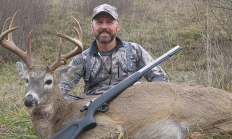

Various dates in September and October
Statewide
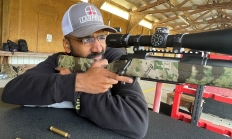

SALEM, Ore.—ODFW is accepting public comments on the proposed 2027 Big Game Regulations and other agenda items the Commission will consider at their September meeting in La Grande. Comment using the links embedded with each agenda item provided on the September meeting agenda page. The deadline to submit written comments…

ONTARIO, Ore.–The Fish and Wildlife Commission voted 5-1 to open a hatchery Chinook salmon season in the Coquille River, the first Chinook season since 2021, during their meeting today in Ontario. The Coquille River will be open for fall salmon fishing from Sept. 13-Oct. 15 from the Hwy 101 bridge…
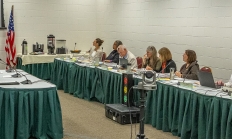


SALEM, Ore.–The Fish and Wildlife Commission meets Sept. 11 and 12 in Ontario for a field tour on Thursday and a regular meeting on Friday. See agenda here. The meeting will also be livestreamed from the Commission page. To testify on an agenda item virtually, register on the agenda page…
Begin your hunting journey or as an experienced hunter seek to refine your skills. The ODFW Hunter Recruitment Program offers resources and training to help you learn to hunt successfully. Connect with Oregon's outdoor traditions, enhance your skills, and contribute to a culture of safe, ethical, and conservation-minded hunting and shooting sports. More information about ODFW Hunter Recruitment Program Classes and workshops are designed for adults 18+.
Year round opportunities
Statewide
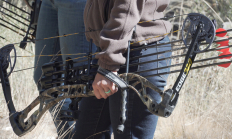

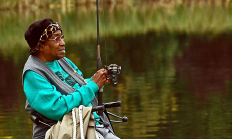
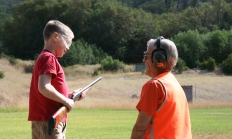
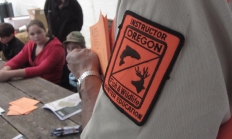
Oregon requires all hunters under the age of 18 to complete a hunter safety education course before hunting in the state. Upon completing the course (and a Field Day for youth), participants will receive a Hunter Safety certification number and card. Adults are also encouraged to take the online course, as it may be required for out of state hunts. Note: Youth under the age of 9 may struggle with the course material and may not have the physical strength needed to safely handle a firearm during a Field Day, particularly during muzzle control, loading, and unloading drills.
Offered Year Round
Statewide