Search myodfw.com
Showing 221 - 240 of 847 results


Features: Gaper clams have large "neck" housing the two siphons that protrude above the substrate surface when feeding. Protective leathery plates are found just below the siphon tips and feel rough to the touch. Gapers are unable to retract their neck entirely into the shell, producing a "gape" in the shell. It is common for algae to grow on their necks and gaper pea crabs to dwell inside the shell with the gaper clam. Habitat: Gapers can be found in high salinity sandy and/or muddy areas in most of Oregon's larger estuaries. Tillamook, Netarts, Yaquina, and Coos are favorite bays…

Features: Warmouth have more of a bass-shaped body and a larger mouth than the other sunfishes, other than the green sunfish. Warmouth are yellowish brown in color with three or four brownish bars radiating back from the eye over the gill cover. They can be distinguished from the green sunfish by the absence of turquoise mottling on the gill cover and the lack of a dark spot at the rear base of the dorsal fin. Habitat: In Oregon, warmouth are present in a few coastal lakes and widely distributed in the Columbia basin, but are not commonly caught by anglers…
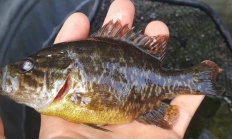

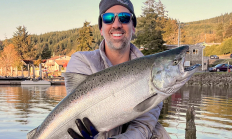


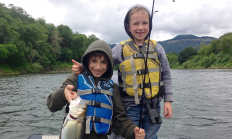
Features: Largemouth bass are greenish on the back and sides with a white belly and usually a dark horizontal stripe along the side. They are distinguished from their close cousin, the smallmouth, by a large mouth with the upper jaw extending behind the eye. Largemouth bass in Oregon can exceed 25 inches in length and a weight of 12 pounds. Habitats: Their preferred habitats are shallow ponds and lakes, or the backwater sloughs of rivers where aquatic plants or submerged logs and brush provide abundant cover. Largemouth bass begin life feeding on zooplankton (tiny crustaceans), but soon switch to insects…


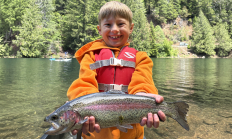
CLACKAMAS, Ore.—Oregon and Washington fishery managers have finalized preseason planning for 2026 Columbia River summer and fall recreational salmon and steelhead fisheries. Forecasts for summer steelhead, sockeye, fall Chinook, and coho returns will allow opportunity for anglers to target these fish. The planned 2026 fall-season fisheries are primarily limited by…
Klaskanine Hatchery was first operated in 1911 by the state of Oregon. In 1959 the hatchery was enlarged and renovated under the Columbia River Fisheries Development Program (Mitchell Act)—a program to enhance declining fish runs in the Columbia River Basin. The hatchery is now closely tied to the Select Area Fisheries Enhancement (SAFE) program and works closely with Clatsop County Fisheries (CCF). The facility is currently used primarily for rearing coho for SAFE commercial fisheries, as well as for adult collection and spawning of fall Chinook and as a rearing facility for fall Chinook and winter steelhead.