
Search myodfw.com
Showing 301 - 320 of 367 results

Sauvie Island Wildlife Area protects vital waterfowl habitat and provides a public hunting area while supporting a rich diversity of wildlife, including hundreds of bird, mammal, reptile, and plant species.
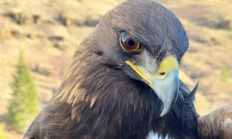
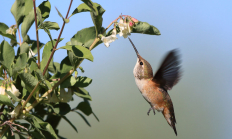


Located near the Elkhorn Mountain Range, Elkhorn Wildlife Area is best known for Rocky Mountain elk and mule deer herds that use the area during the winter. To keep deer and elk from feeding on agriculture lands when they come down from snow-covered higher elevations, ODFW operates 10 feeding sites on the area to feed 1,400 elk and 800 deer during the winter months.

SALEM, Ore. – ODFW staff received a report of an incident involving a coyote biting an adult along Orchard Heights Rd., just outside the city limits of West Salem that occurred on Feb. 11. The Polk County Sherriff's Office (PCSO) initially responded to the area to conduct a site investigation…
Our Mission The Oregon Department of Fish and Wildlife (ODFW) Hunter Recruitment Program is dedicated to strengthening and growing Oregon's hunting and shooting sports community. We provide hands-on skills training, promote a culture of safety, ethics, and conservation, and foster a positive public perception of hunting and shooting sports. Our goal is to build confidence, knowledge, and skills for both new and seasoned hunters, supporting a lasting connection to Oregon's rich outdoor traditions. Workshops are offered statewide throughout the year. View and register for an upcoming event: Classes and W or kshops.
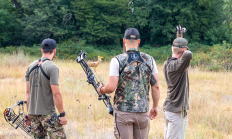
SW BIG GAME HUNTING July 16, 2026 Currently open Cougar ( check current harvest numbers), Coyote Announcements and resources Summertime is here for youth to get ahead of the game-- Register for Hunter Safety Education before fall. 2026 Point Summary Reports are posted to help you plan this season's big game hunts. It's not too late to purchase Point Savers for each series, available now until November 30, 2026. Check the Leftover Tag List for an opportunity to hunt this year. Big game harvest statistics - You'll find links to population, harvest and maps that can help you decide where…
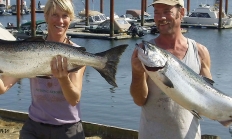
The FRWA was created by a licensing agreement signed in 1957 and modified in 1982 and 2008, between the US Army Corps of Engineers and the Oregon Game Commission. This agreement authorized the state to develop, conserve, and manage all wildlife resources on 5,261 acres of land and water within the Fern Ridge Project. ODFW also acquired the 309 acre Coyote Creek South and 224 acre Coyote Creek Northeast units in 2013 and 2015, respectively. The wildlife area now totals 5,794 acres.
Following droughts in the 1930s that affected most of North America, major conservation efforts, by both private and governmental entities, were enacted to reverse trends of degrading and disappearing wetlands. During this time period there was a major creation and expansion of federal wildlife refuges and state wildlife areas. As the concept of waterfowl flyway management was endorsed and developed, wildlife areas were acquired and managed as part of a larger plan focused on migratory waterfowl needs. LMWA was one of several wetland-focused wildlife areas established in Oregon. Ladd Marsh Wildlife Area was established in 1949, with primary objectives of…
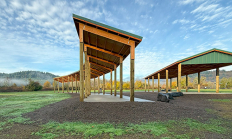
Veterans invited to grand reopening event set for Nov. 15 MONMOUTH, Ore.—ODFW Hunter Education Coordinator Jered Goodwin used to see a group of disabled Veterans regularly visiting the shotgun shooting range at E.E. Wilson Wildlife Area, a former military base turned wildlife area and popular outdoor destination in the Willamette…


SALEM, Ore. – ODFW staff at the Ashland Boat Inspection Station found golden mussels on a watercraft that was being transported to a new owner from the Sacramento River Delta to Oregon on April 4. The watercraft was decontaminated at the inspection station and all golden mussels attached to the…