
Search myodfw.com
Showing 381 - 400 of 672 results
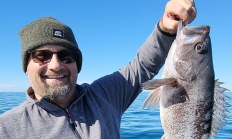
Features: Kokanee are silvery in color until they are ready to spawn, at which time they become reddish. They do not grow as large as sockeye- their ocean traversing siblings. They can vary significantly in size depending on how densely populated the waterbody is. Since they are filter feeders, their populations can quickly expand and contract with the availability of food. Habitat: Kokanee can be found at all depths of cold, clear lakes and reservoirs in several parts of the state. They will change which depth they are at depending on water temperature. Technique: They are a challenging fish to…

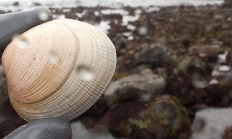
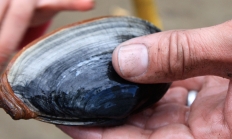
Features: The purple varnish clam is named for the purple hue found inside the clam and the shiny varnish over the brown color outside the shell. It is oval in shape and is relatively flat with a prominent ligament near the hinge. Habitat: These clams can be found in cobble to muddy substrate. Technique: Purple varnish clams are found in very high densities. Limits are 72 a day. Learn more here before getting started clamming. See Oregon Sport Fishing Regulations for information on the daily catch limits for bay clams. How to dig purple varnish clams (video)

The European starling is considered an invasive species in Oregon. It was introduced from Europe. They most closely resemble blackbirds, with which they often flock in fall and winter. While both have iridescent plumage, starlings can be told from blackbirds by their two-toned wing pattern - dark upperwing, pale underwing - and during the breeding season by the bright yellow bill. Starlings adapt readily and quickly to human habitation and are highly efficient and successful breeders. However, the abundance of the bird, the rapidity with which it has spread across North America, and its propensity to cause damage to crops…


Features: Circular in shape and 1.5-2.5 inches across. Identified by concentric lines and radiating ridges. Longer lived and less abundant than cockles. Habitat: High salinity areas of sand, mud, gravel, or rock. Harvest them in Tillamook, Netarts, Yaquina, and Coos bays. Techniques: These clams can be found in rocky nearshore areas within 6 inches of the surface. Using a rake for these clams is the best harvest method. Learn more here before getting started clamming. See Oregon Sport Fishing Regulations for information on the daily catch limits for bay clams. How to dig for little neck clams (video)
Get ahead of the game! Register for a full, in person Hunter Safety Conventional Course or complete an Online Course and sign up for a Field Day. ODFW connects people to Oregon's great outdoors by offering a multitude of workshops and events throughout the year. Education programs cover required Hunter Safety certification courses, ability level and age specific workshops, and events for the entire family. Let us help you prepare for your next step outdoors. Receive Workshops & Events Updates by E-mail
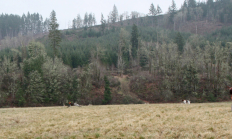
MARINE WILDLIFE VIEWING September 10, 2026 Recreating in drought and wildfire season - actions you can take to protect wildlife . For the most current fire closures and restrictions-- KNOW BEFORE YOU GO . The Oregon coast is a great place to come and view a variety of wildlife. Enjoy the great diversity of life: from giant whales and barking sea lions to majestic bald eagles and diving pelicans, to showy Harlequin ducks and flocking shorebirds, to the tiny anemones and crabs inhabiting tidepools. There is always something new to discover. Visit our wildlife viewing map for locations to visit and view wildlife along the Oregon…
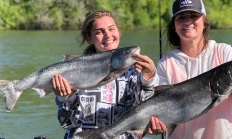
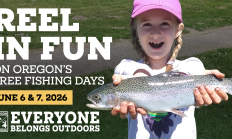
SALEM, Ore..— Everyone can fish, clam and crab for free in Oregon on Saturday and Sunday, June 6-7, 2026. No fishing/shellfish licenses or tags/validations are required on these days (meaning you do not need a Combined Angling Tag, Columbia River Basin Endorsement, Ocean Endorsement or two-rod validation where two rods…
Features: Unlike gaper clams, softshell clams have no gape on their neck end. Softshell clams have a spoon like projection on the left valve, this feature is called a chondrophore. Habitat: Brackish, muddy areas all along Oregon's coastline. Find softshells 12-18" depth. Technique: Softshells can be harvested by digging with either a shovel or clam gun. As the name suggests, they have soft or thin shells which are easy to break. Although a clam with a broken shell is still good to eat, sharp edges of a broken shell can be very dangerous. Until you've refined your shoveling skills you…
Find maps, boundary descriptions and the percent public land for the Trask Unit.
The information provided here is intended to help you get an idea of your odds of drawing a reservation in the Eastside and Oak Island hunt areas. First off, the number of permits available in each hunt unit does change throughout the season. See the NUMBER OF RESERVATIONS AVAILABLE FOR EASTSIDE AND OAK ISLAND UNITS link to view the number of permits that are available for each unit and hunt period.
Find maps, boundary descriptions and the percent public land for the Indigo Unit.
Find maps, boundary descriptions and the percent public land for the Minam Unit.
Find maps, boundary descriptions and the percent public land for the Silvies Unit.
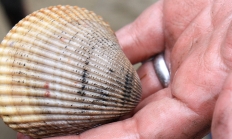
Features: Identified by its prominent radiating ridges. Habitat: Cockles are "hard shelled" clams. Their protective, stout shells and short siphons mean that they do not have to bury as deeply as other common bay clams. Good cockle beds will often have cockles right on top of the sand on a good tide. They prefer sandy areas with high salinity, but can be found at many types of tideflats. Technique: The best clamming is during low/minus tides. Because these clams are so near the surface, you rake, rather than dig, for them. A four prong gardening rake is perfect for raking…
Features: Dungeness crab can sometimes be confused with rock or other crab species. However, it is easily identified by its white-tipped claws and reddish-brown to purple color. Habitat: Adult Dungeness crab forage on a number of fish and invertebrate species. They can be found throughout the sandy and muddy areas in the shallowest parts of lower estuaries all the way to depths of almost 1,500 feet. Techniques: There are many kinds of crab catchers – from crab pots and rings, to traps you can cast with a fishing rod. You can easily crab from a dock in many coastal bays…
