Search myodfw.com
Showing 181 - 200 of 346 results

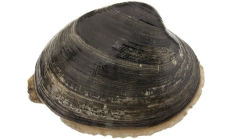
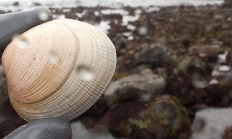
Features: Circular in shape and 1.5-2.5 inches across. Identified by concentric lines and radiating ridges. Longer lived and less abundant than cockles. Habitat: High salinity areas of sand, mud, gravel, or rock. Harvest them in Tillamook, Netarts, Yaquina, and Coos bays. Techniques: These clams can be found in rocky nearshore areas within 6 inches of the surface. Using a rake for these clams is the best harvest method. Learn more here before getting started clamming. See Oregon Sport Fishing Regulations for information on the daily catch limits for bay clams. How to dig for little neck clams (video)
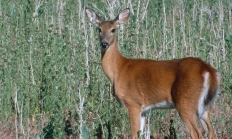
Features: Oregon’s rarest deer has a brown tail that is longer than a blacktail’s wide tail. Its antlers will branch off from a single main beam, unlike mule deer and blacktail antlers that branch twice. Habitat: The Columbian whitetail is a subspecies unique to Oregon and southwest Washington and found in just a few locations—along the lower Columbia River in Oregon and Washington, and in the Umpqua Basin near Roseburg (where it is expanding its range). Techniques: Just a few controlled hunts for this subspecies exist in the Umpqua Basin region and tags are limited; see the regulations for details.


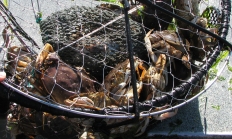
Features: Unlike gaper clams, softshell clams have no gape on their neck end. Softshell clams have a spoon like projection on the left valve, this feature is called a chondrophore. Habitat: Brackish, muddy areas all along Oregon's coastline. Find softshells 12-18" depth. Technique: Softshells can be harvested by digging with either a shovel or clam gun. As the name suggests, they have soft or thin shells which are easy to break. Although a clam with a broken shell is still good to eat, sharp edges of a broken shell can be very dangerous. Until you've refined your shoveling skills you…
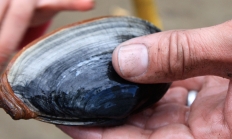

Features: Identified by its prominent radiating ridges. Habitat: Cockles are "hard shelled" clams. Their protective, stout shells and short siphons mean that they do not have to bury as deeply as other common bay clams. Good cockle beds will often have cockles right on top of the sand on a good tide. They prefer sandy areas with high salinity, but can be found at many types of tideflats. Technique: The best clamming is during low/minus tides. Because these clams are so near the surface, you rake, rather than dig, for them. A four prong gardening rake is perfect for raking…
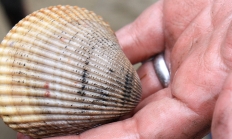

NEWPORT, Ore. – Ocean sport salmon fishing closes at 12:01 a.m., Tuesday, Aug. 19 in the Columbia River Subarea (Leadbetter Pt., WA to Cape Falcon, OR) and possession of salmon on board a vessel is prohibited. Fishing is allowed on Monday and is closed Tuesday. Projected harvest of marked (fin-clipped)…
Features: Gaper clams have large "neck" housing the two siphons that protrude above the substrate surface when feeding. Protective leathery plates are found just below the siphon tips and feel rough to the touch. Gapers are unable to retract their neck entirely into the shell, producing a "gape" in the shell. It is common for algae to grow on their necks and gaper pea crabs to dwell inside the shell with the gaper clam. Habitat: Gapers can be found in high salinity sandy and/or muddy areas in most of Oregon's larger estuaries. Tillamook, Netarts, Yaquina, and Coos are favorite bays…

This two-hour class is for people new to hunting and provides an overview of hunting in Oregon.
Year Round
Statewide

CLACKAMAS, Ore. – Angling will be closed on the lowest reach of Eagle Creek in the Clackamas basin from Sept. 27 through Oct. 31 to give coho salmon a safe resting area amid ongoing low water flows. The closure is from SE Dowty Road downstream to the Clackamas River confluence…
Features: Butter clams have oval and oblong shaped shells with heavy, thick valves and hinge. Their shells have fine concentric rings. When the shell is open a little, you can see the pale ruffled mantle reminiscent of a tuxedo. Like the gaper clam, they have their two siphons fused together into one "neck." Average adult size is 3-4 inches but can range up to 5 inches. Butter clams can live more than 20 years. Habitat: Butter clams can be found in a wide variety of substrates but prefer sand and gravel/cobble beaches. They live approximately 6-12 inches deep and can…