Search myodfw.com
Showing 1501 - 1520 of 1673 results
Study ahead: Oregon Furbearer Trapping and Hunting Regulations
2026-27 Licenses begin July 1
Online Learning

ROSEBURG, Ore. – The Oregon Department of Fish and Wildlife is looking for a volunteer site host at its Canyonville winter steelhead acclimation site on lower Canyon Creek. This opportunity to work with hatchery steelhead and help improve Oregon's fisheries is from Jan. 1 – Apr. 30, 2026. The acclimation…
NEWPORT, Ore. – The commercial Dungeness crab fishery opens Dec. 31 from Cape Falcon to the Washington border. Fishermen can begin the presoak period – setting baited crab pots in the water – on Dec. 28 in this area. ODFW delayed opening the north coast until crab in Long Beach…
PENDLETON, Ore. – A $1 million federal investment will jump-start critical engineering and design work on fish passage and alternative solutions at McKay Creek Reservoir Dam, laying the technical groundwork to eventually reconnect more than 100 miles of historic salmon and steelhead habitat. Sens. Jeff Merkley and Ron Wyden helped…
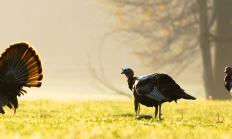
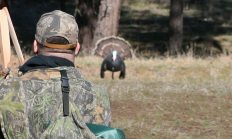
ROSEBURG, Ore. – ODFW is hosting turkey hunting workshops around the state in April for both youth and adults. If you're a new hunter, or new to turkey hunting, consider joining us for a day of learning more about turkey hunting. Youth workshops April 4 workshops at Denman Wildlife Area…
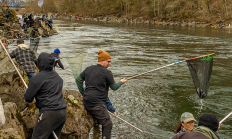
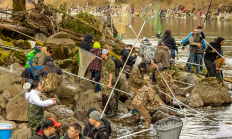
SALEM, Ore. – Recreational harvest of eulachon smelt on the Sandy River will be open from 12-7 p.m. on Wednesday, March 11 only. Regulations : Open area: From the mouth of the Sandy River upstream to the Stark Street Bridge. Limit: 10 pounds per dipper. Each dipper must dip smelt…
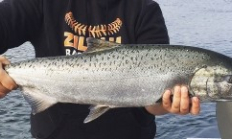
SALEM, Ore. – The Pacific Fishery Management Council (PFMC) met March 4-9 to develop three alternatives for ocean salmon seasons along the coasts of Washington, Oregon, and California. PFMC is hosting a hybrid public meeting March 24 from 7-9 p.m. in Newport to receive input on the proposed salmon management…
SALEM, Ore. – The Oregon Fish and Wildlife Commission meets March 19-20 in Medford for a field tour on Thursday and a regular meeting on Friday. The Friday meeting agenda and livestream are available from the Commission page. To virtually testify on an agenda item, register here at least 48…
ORDER Replacement Hunter Safety Card
Available
Online
SALEM, Ore.— White-nose syndrome (WNS) in bats has been detected for the first time in Oregon in Columbia and Benton counties. White-nose syndrome is caused by an infection with the fungus Pseudogymnoascus destructans that disrupts hibernation, causing early winter emergence, dehydration and starvation. This finding follows the 2025 detection of…
SALEM, Ore. – The Oregon Fish and Wildlife Commission adopted a management plan for the Minam Wildlife Area, approved a land acquisition for Denman Wildlife Area and heard an update on Oregon's Native Seed Strategy. The plan was the result of extensive engagement with the tribes, community partners, and the…
SALEM, Ore. – ODFW staff at the Ashland Boat Inspection Station found quagga mussels on a motorboat that was being transported from Lake Havasu, Arizona into Oregon on March 21. This was the first instance in 2026 where crews found invasive freshwater mussels on a boat entering Oregon. The watercraft…
SALEM, Ore. – Oregon's Fish Screening Task Force will meet virtually on Thursday, April 2 at 8:30 a.m. The meeting is open to the public and will be held virtually through Teams. The meeting agenda includes updates on the Fish Screening Program, new task force members, and the development of…
Hunter's Guide Hunter's Resources Hunter's Technique Hunter's Bounty
Spring and Fall
Online Learning