
Search myodfw.com
Showing 241 - 260 of 849 results
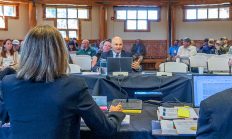
The Oregon Fish and Wildlife Commission conducts hybrid public meetings, allowing for testimony either in person or virtually. Meetings are also livestreamed from the Commission page and the ODFW YouTube channel. Per statute ORS 496.108(5), the Commission must hold one meeting per year in each Congressional District. Meeting dates and locations are scheduled a year in advance and can't always align with the local community impacted by regulation changes, another reason why they are hybrid. Meetings begin at 8:00 a.m. and proceed chronologically through the published agenda. The Commission will take a lunch recess as close to noon as the agenda…
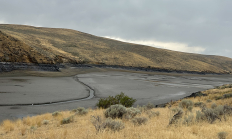
LA GRANDE, Ore. – Effective Aug. 1 through Sep. 30, minimum and maximum size limits as well as the daily and possession bag limits for rainbow trout and bass are suspended for Thief Valley Reservoir (Southeast Zone) located in Union County. Harvest will be allowed by hand, dip net, or…
CENTRAL POINT, Ore. – The Rogue-Siskiyou National Forest is temporarily closing the Huckleberry Mountain area in the High Cascades Ranger District Aug. 22-31 for Tribal ceremonial purposes. Rogue Unit general archery hunters should be aware of the closure over the archery opening weekend, Aug. 30-31. For more information on the…

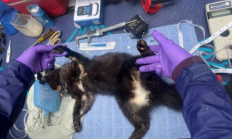
Newport, Ore. – Oregon's commercial Dungeness crab season is delayed coastwide until at least Dec. 16, the Oregon Department of Fish and Wildlife announced today. Oregon Dungeness crab met both meat and safe biotoxin level requirements; however, the season is delayed as Long Beach, WA crabs have not yet met…
SALEM, Ore.—Oregon's Fish and Wildlife Commission today made changes to the formula used to allocate mule deer Landowner Preference (LOP) tags, which was needed due to the new harvest and population management system for mule deer approved in 2024. In a 6-0 vote (one abstention), the Commission approved shifting to…
SALEM, Ore.—Oregon's Fish and Wildlife Commission will meet Friday, Aug. 15 in Salem at ODFW Headquarters, 4034 Fairview Industrial Drive SE. The meeting will be livestreamed from the Commission page. See the agenda here. (Note that Commission materials have moved to myodfw.com while ODFW's older website odfw.com is transitioned to…
PENDLETON, Ore. ‐ The Fish and Wildlife Commission adopted a limited fall Chinook fishing and retention season on the mainstem Umpqua, Smith, and North Fork Smith rivers after receiving many public comments and hearing testimony from a Douglas County Commissioner, business owners and local anglers concerned about a proposed closure…
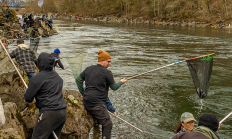
SALEM, Ore. – Recreational harvest of eulachon smelt on the Sandy River will be open from 12-7 p.m. on Wednesday, March 11 only. Regulations : Open area: From the mouth of the Sandy River upstream to the Stark Street Bridge. Limit: 10 pounds per dipper. Each dipper must dip smelt…
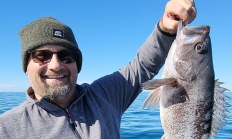
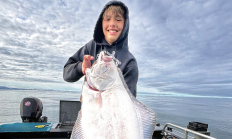
NEWPORT, Ore – Pacific halibut angling opens Aug. 17, Sundays through Friday through Sept. 30 or until quota is reached in the Columbia River subarea (Leadbetter Pt., WA to Cape Falcon, OR) all-depth fishery. The daily bag limit is one Pacific halibut. The Columbia River subarea received a 5,000-pound allocation…

Sport fishing offers youth and adults alike a healthy and fun recreational activity that can be shared for a lifetime with friends and family. Workshops are offered statewide throughout the year. View and register for an upcoming event: Classes and W or kshops.


