
Search myodfw.com
Showing 261 - 280 of 443 results
Need to figure out controlled hunts, find a place to clam, learn how to fish or get directions to a wildlife area? We've got information on all that and more, straight from ODFW biologists and other accomplished hunters, anglers and wildlife watchers. Header image by Dave Budeau


SALEM, Ore. — ODFW's Fish Restoration and Enhancement Board will meet in person on Thursday, March 5 from 8 a.m. - 5 p.m. in the classroom at ODFW Headquarters, 4034 Fairview Industrial Dr. SE. A virtual option is also available. The public can attend in person or virtually on Teams…
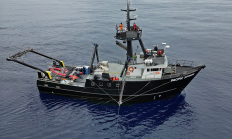
ODFW Marine Fisheries Research team is headed to Cobb Seamount with two Oregon State University collaborators to search for old female rockfish. The crew will be on The Pacific Storm, a former commercial trawler gifted to OSU and reconfigured as an oceanographic research vessel. Photo courtesy of OSU's Marine Mammal…
NE BIG GAME HUNTING August 6, 2026 Currently open Bear, Cougar ( check current harvest numbers), Coyote Season openings beginning in August Archery & Youth Only Controlled series hunts; Premium, auction and raffle hunts *Check Big Game regulations for hunt details and purchase your tag before hunting. Announcements and resources Summertime is here for youth to get ahead of the game-- Register for Hunter Safety Education before the hunt. 2026 Point Summary Reports are posted to help you plan this season's big game hunts. It's not too late to purchase Point Savers for each series, available now until November 30…
Oregon has one species of kingfisher, the raucous Belted kingfisher and 12 woodpecker species. Six woodpeckers are Oregon Conservation Strategy Species of management concern and in need of conservation. Famous for their hammering and hole drilling, woodpeckers might decide your home looks like a good place to set up shop. Learn how to discourage this on our Living with Wildlife, Birds page.


Prineville Reservoir Wildlife Area came under the shared management of the Oregon Department of Fish and Wildlife & United States Bureau of Reclamation in 1962. It is managed for the protection and enhancement of wildlife habitat, big game winter range, improving riparian wetlands, and to promote wildlife stewardship. Goals of the PRWA include creating recreational opportunities for viewing and enjoying wildlife, including mule deer, bald eagles, and a variety of waterfowl. Boating, hiking, and camping are a few popular activities permitted in the wildlife management area. Hunting and fishing opportunities are also available within Prineville Reservoir Wildlife Area, as regulated…
NEWPORT, Ore. – The Oregon Department of Fish and Wildlife is helping investigate the entanglement of a young humpback whale stranded earlier this week near Yachats. The whale was entangled in gear attributed by NOAA Fisheries to the Oregon commercial Dungeness crab fishery. Veterinarians from the West Coast Marine Mammal…


SALEM, Ore. – ODFW staff will be hosting an online public meeting at 6 p.m. on Wednesday, July 29 to discuss the 2027 Pacific halibut season. The meeting will be held online only, through Microsoft Teams (information below). ODFW manages Pacific halibut in partnership with the International Pacific Halibut Commission…
NEWPORT, Ore. – Oregon Department of Fish and Wildlife staff are hosting in person meetings Oct. 6, 7, and 8 to discuss the 2026 recreational bottomfish and Pacific halibut seasons with anglers. The Oct. 8 meeting in Newport also offers a virtual option. Meeting information: Oct. 6, Brookings: 5:30-7:30 p.m…
The McKenzie River originates in the Cascade Range and empties into the Willamette River near Eugene, which then flows northward into the Columbia River. McKenzie Hatchery was first constructed in 1938 and rebuilt in 1975. Today, 30 rearing ponds, a visitor's center, spawning room, egg incubation facility, office, feed storage, shop area, fish ladder and picnic area are the main components of the facility layout. McKenzie Hatchery is temporarily closed to comply with Oregon Department of Environmental Quality permit conditions. Visitors should be aware that no fish are present in the facilities' production raceways and show ponds. Fish have been…
Round Butte Hatchery was constructed in 1972 to mitigate for the fishery losses caused by Pelton/Round Butte (PRB) Hydroelectric Complex. Round Butte and its satellite, Pelton Ladder, are used for adult collection, egg incubation and rearing of spring Chinook, summer steelhead, and sockeye salmon.
SALEM, Ore. - Oregon's Fish Passage Task Force will meet Thursday, October 16 from 8:00 a.m. to 12:30 p.m. at the Red Lion, 1313 N Bayshore Dr, Coos Bay. The meeting will be open to the public. Members of the public who are interested in the meeting are encouraged to…
Features: Kokanee are silvery in color until they are ready to spawn, at which time they become reddish. They do not grow as large as sockeye- their ocean traversing siblings. They can vary significantly in size depending on how densely populated the waterbody is. Since they are filter feeders, their populations can quickly expand and contract with the availability of food. Habitat: Kokanee can be found at all depths of cold, clear lakes and reservoirs in several parts of the state. They will change which depth they are at depending on water temperature. Technique: They are a challenging fish to…
