Search myodfw.com
Showing 281 - 300 of 443 results

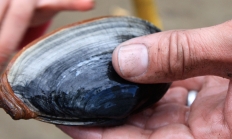
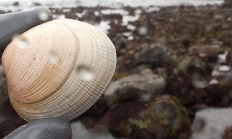
Features: The purple varnish clam is named for the purple hue found inside the clam and the shiny varnish over the brown color outside the shell. It is oval in shape and is relatively flat with a prominent ligament near the hinge. Habitat: These clams can be found in cobble to muddy substrate. Technique: Purple varnish clams are found in very high densities. Limits are 72 a day. Learn more here before getting started clamming. See Oregon Sport Fishing Regulations for information on the daily catch limits for bay clams. How to dig purple varnish clams (video)

The European starling is considered an invasive species in Oregon. It was introduced from Europe. They most closely resemble blackbirds, with which they often flock in fall and winter. While both have iridescent plumage, starlings can be told from blackbirds by their two-toned wing pattern - dark upperwing, pale underwing - and during the breeding season by the bright yellow bill. Starlings adapt readily and quickly to human habitation and are highly efficient and successful breeders. However, the abundance of the bird, the rapidity with which it has spread across North America, and its propensity to cause damage to crops…

NEWPORT, Ore. – The Oregon Department of Fish and Wildlife is hosting three public meetings along the coast to discuss the state's commercial Dungeness crab fishery. Commercial fishermen, industry representatives and anyone interested in the fishery are encouraged to attend. ODFW staff will give updates related to marine life entanglement…

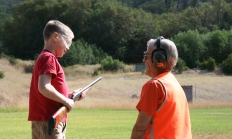
SALEM, Ore. — ODFW's Fish Restoration and Enhancement Board will meet in person on Tuesday, Sept. 30 from 8:30 a.m. to 5 p.m., in Redmond at The Lodge at Eagle Crest. The meeting will occur in person and via Teams, and members of the public may attend the meeting in…
SALEM, Ore.— ODFW will host a series of free upland game bird hunts for youth hunters starting in September. The hunts will take place around the state and youth hunters (age 17 and under) who have completed hunter education by the time of the event can sign up now for…
Features: Circular in shape and 1.5-2.5 inches across. Identified by concentric lines and radiating ridges. Longer lived and less abundant than cockles. Habitat: High salinity areas of sand, mud, gravel, or rock. Harvest them in Tillamook, Netarts, Yaquina, and Coos bays. Techniques: These clams can be found in rocky nearshore areas within 6 inches of the surface. Using a rake for these clams is the best harvest method. Learn more here before getting started clamming. See Oregon Sport Fishing Regulations for information on the daily catch limits for bay clams. How to dig for little neck clams (video)
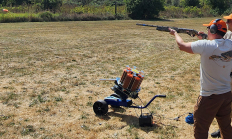
Luck may determine when a deer crosses your path, but skill determines whether you're ready for that moment. Aim for a more successful hunt this season by attending one of the many skills events! ODFW connects people to Oregon's great outdoors by offering a multitude of workshops and events throughout the year. Education programs cover required Hunter Safety certification courses, ability level and age specific workshops, and events for the entire family. Let us help you prepare for your next step outdoors. Receive Workshops & Events Updates by E-mail
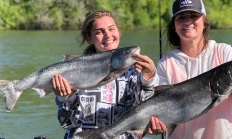
CLACKAMAS, Ore. – The two-rod validation will not be available for the Willamette River in 2026 as the forecast for hatchery-origin adult fish does not meet the minimum return threshold. The 2026 Columbia River spring-summer forecast anticipates 43,700 adult Willamette-origin spring Chinook will return to the mouth of the Columbia…
Prioritize what you want out of your hunt Controlled Hunt Application Worksheet Steps on how to apply for a controlled hunt
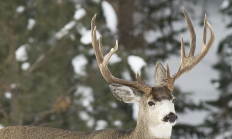
CANYON CITY, Ore.- A poacher investigated for more than 50 crimes committed in Grant County between 2023 and 2024 was sentenced to 95 days behind bars and more than $22,000 in restitution and fines, according to wildlife officials. In what wildlife enforcement officers refer to as a serial poaching case…
Features: Unlike gaper clams, softshell clams have no gape on their neck end. Softshell clams have a spoon like projection on the left valve, this feature is called a chondrophore. Habitat: Brackish, muddy areas all along Oregon's coastline. Find softshells 12-18" depth. Technique: Softshells can be harvested by digging with either a shovel or clam gun. As the name suggests, they have soft or thin shells which are easy to break. Although a clam with a broken shell is still good to eat, sharp edges of a broken shell can be very dangerous. Until you've refined your shoveling skills you…