

Search myodfw.com
Showing 381 - 400 of 705 results
Article
We asked some of the fisher folk at ODFW for their favorite gift-giving ideas. Here's what they said.

Landing page
Phillip W. Schneider Wildlife Area provides winter range for mule deer populations and year-round habitat for a variety of wildlife including mammals, birds, reptiles and amphibians. Elk, deer, and bighorn sheep viewing is often good during winter and early spring. Bird watching is excellent all year. Native habitats include sagebrush shrubland, riparian, ponderosa pine forest, western juniper woodland and mixed conifer which support a diversity of fish and wildlife. The riparian areas along the mainstem John Day River, South Fork John Day River and Murderers Creek provide excellent habitat for many birds. Upland areas provide important habitat for passerines and…
February 21, 2018
Article
Learning the flight patterns of the birds, and honing your long-range shooting skills are keys to this unique and challenging hunting experience.
August 4, 2022

Zones or Areas
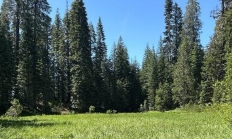
Trout fishing opportunities abound in this zone, known for its high desert climate, sage-covered canyons, glacial peaks and mountain lakes. Anglers will find year-round trout fishing in the Deschutes, Metolius, Fall and Crooked rivers, while several central Oregon lakes and reservoirs are renowned for their trout and kokanee fishing – and their beauty. The Hood and lower Deschutes – both tributaries of the Columbia River – offer high desert fishing for Chinook salmon and summer steelhead.
Recreation Report
CENTRAL WILDLIFE VIEWING September 10, 2026 Recreating in drought and wildfire season - actions you can take to protect wildlife . For the most current fire closures and restrictions-- KNOW BEFORE YOU GO . Crook County Crook county has been severely affected by wildfire this summer, some public lands remain under restrictions. Despite the conditions, there are some good bird viewing opportunities. Waterfowl should be visible along the crooked river and on most lakes/reservoirs. Herons, osprey, and kingfishers are frequently seen along the crooked river while searching for prey. Raptors, including bald eagles, redtail hawks, and kestrels can be seen…
September 05, 2017
Press Release
SALEM, Ore.— The Commission set 2026 groundfish regulations during their meeting in Salem today. The daily catch limit for lingcod will increase from 2 to 3 fish next year, since lingcod populations are healthy and bycatch of yelloweye rockfish (a protected species) is still low. The daily limit for general…
December 12, 2025
Press Release
FOR IMMEDIATE RELEASE Oregon Department of Fish and Wildlife (ODFW) Confederated Tribes of the Umatilla Indian Reservation (CTUIR) Statement on Qapqápa Wildlife Area Acquisition Oregon Department of Fish and Wildlife (ODFW) and the Confederated Tribes of the Umatilla Indian Reservation (CTUIR) regret to announce that the Qapqápa (pronounced cop-COP-a) Wildlife…
March 2, 2026
Landing page
The development of the WWA began in 1953 with the acquisition of five parcels of land consisting of 4,400 acres. The Department continued to purchase additional lands, acquiring 1,670 acres in 1954 and another 760 acres in 1955. From 1961 to the present the department has purchased or received another 4,219 acres. The wildlife area currently consists of 12,419 acres owned by the department. In addition, the department, through agreements with the Bureau of Land Management (BLM), manage 1,329 acres within or adjacent to the wildlife area. The WWA was established in response to continuing complaints from landowners concerned with…
February 20, 2018
Zones or Areas
The granite peaks of Oregon’s Blue and Wallowa Mountains form the backdrop for many of this zone’s glacier-carved lakes and crystalline streams. Bull trout thrive in this zone’s cold, clear rivers, which also sustain whitefish and rainbow trout, and welcome returning runs of hatchery-reared steelhead. Chinook salmon travel over 300 miles up the Columbia to spawn in rivers such as the Imnaha and Wallowa. Warmwater fisheries are few, but the John Day River offers world-class fishing for smallmouth bass.
Zones or Areas
Abundant rainfall feeds the massive Willamette River watershed, tamed by a system of reservoirs that are stocked annually with hundreds of thousands of rainbow trout. Some of these reservoirs also grow trophy-size largemouth and smallmouth bass, as well as bluegill, brown bullhead and crappies. Smaller lakes and ponds nearer the valley floor provide springtime trout fishing close to home. Salmon and steelhead navigate the Willamette River and its tributaries, many of which are also home to rainbow and cutthroat trout.
Zones or Areas
Wide open spaces, wild windy places, and extreme temperatures characterize Oregon’s largest, most remote fishing zone. Redband trout are native to its rivers and streams, including the Williamson, Malheur and Chewaucan. Brown and hatchery rainbow trout can grow to trophy-size in many of its lakes and reservoirs, many of which also feature crappie, yellow perch and bass.
Press Release
This release was updated April 25 to correct two errors (the first name of the OSP Lieutenant who testified on Sauvie Island parking issues and that the Don Lindly property was sold to Lincoln County not Lincoln City.) LINCOLN CITY, Ore.—The Commission adopted a limited entry parking program for summer…
April 24, 2026
Press Release
CENTRAL POINT, Ore. – The Oregon Department of Fish and Wildlife is giving away free wildlife forage seed to landowners in Central Point, Grants Pass, and Gold Beach on Wed., Oct. 1. Landowners are eligible for two 15-pound bags of seed to cover at least one acre of habitat for…
September 16, 2025
Press Release
UPDATE: The National Marine Fisheries Service (NMFS) did not authorize a wild coho season in the Alsea Basin for 2026 because escapement is not projected to meet full seeding requirements as required in the Oregon Coast Coho FMEP. Wild coho retention will remain closed in the Alsea Basin for the…
September 1, 2026

Landing page
Prineville Reservoir Wildlife Area came under the shared management of the Oregon Department of Fish and Wildlife & United States Bureau of Reclamation in 1962. It is managed for the protection and enhancement of wildlife habitat, big game winter range, improving riparian wetlands, and to promote wildlife stewardship. Goals of the PRWA include creating recreational opportunities for viewing and enjoying wildlife, including mule deer, bald eagles, and a variety of waterfowl. Boating, hiking, and camping are a few popular activities permitted in the wildlife management area. Hunting and fishing opportunities are also available within Prineville Reservoir Wildlife Area, as regulated…
March 12, 2018
Zones or Areas
A dozen great rivers pour out of the Coast Range Mountains into tidal bays that welcome runs of salmon and steelhead. Bays are the year-round home to marine perch, rock fish, crabs and clams, while other species come and go with the seasons and tides. A handful of ponds dot the forested slopes, and there are dozens of dune lakes— many stocked with rainbow trout, and some harboring largemouth bass, perch, crappie and brown bullhead.
Landing page
The goal of the Oregon Hatchery Research Center (OHRC) is to answer scientific questions related to fish recovery and hatchery programs. Information gained at the Research Center will help answer questions vital to the success of the Oregon Plan for Salmon and Watersheds and implementation of the Native Fish Conservation Policy. The Oregon Hatchery Research Center is a cooperative research project between the Oregon Department of Fish and Wildlife and the Oregon State University Department of Fisheries and Wildlife.
May 07, 2018