Search myodfw.com
Showing 561 - 580 of 672 results
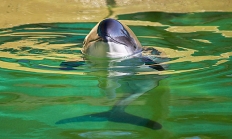
Like the name suggests, harbor porpoises remain close to shore and in river estuaries and bays usually less than 650 feet deep. This makes them the most likely porpoise seen from shore. They seem more shy than their larger, more gregarious cousins, like the Dall’s porpoise or bottlenose dolphin. You won’t see them riding the bow waves of boats. They are also not as social, usually seen alone or in small groups of two or three, rarely more than five individuals. Found throughout the temperate coastal waters of the Northern Hemisphere, harbor porpoises are the smallest of the Northern Pacific…
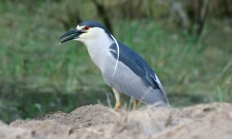
Although quite common in the U.S., the Black-crowned night-heron's nocturnal and crepuscular feeding habits can make it difficult to locate. Its habitat consists of marshes, lakes, rivers, and other wetlands, where it feeds mostly on fish. It is a thick-billed, medium-sized, stocky heron with relatively short neck and legs. Adults have a black back and cap which contrast with the pale gray or whitish underparts. Immatures have brown backs with large pale spots and heavily streaked underparts. A distinctive choking squawk call is often heard at dusk. It is a fairly common summer resident east of the Cascades where it…
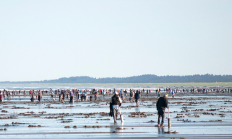
SALEM, Ore. – Razor clam harvesting is now open from the Washington/Oregon border to Cape Blanco, the Oregon Department of Agriculture and the Oregon Department of Fish and Wildlife announced today. Razor clamming had been closed from Cascade Head to the California border. But marine biotoxin levels have tested below…
Crabbing and Clamming July 9, 2026 Regulation updates as of April 23, 2026 These are in-season regulation changes adopted on a temporary or emergency basis. Please see e-regulations for permanent regulations. Before clamming or crabbing, call ODA's shellfish safety information hotline at (800) 448-2474 or visit the ODA shellfish safety closures web page at: http://ODA.direct/ShellfishClosures Mussels: OPEN coastwide. Razor clams: OPEN from the WA border to Cape Blanco. Clatsop beach closed July 15-Sept 30 for summer conservation. CLOSED from Cape Blanco to the CA border. Bay clams: OPEN coastwide. Crabs: OPEN coastwide. Sport crab harvest: Status map Sport seasons and…
SALEM, Ore. – The Private Forest Accord Mitigation Advisory Committee will hold its regularly occurring meeting, virtually on Tuesday, Feb. 10, 2026. For a full agenda and virtual login information about the meeting, please visit: https://www.dfw.state.or.us/habitat/PFA/meetings.html The public is welcome to attend virtually. The Private Forest Accord Mitigation Fund was…

Sperm whales inhabit all oceans of the world, and have been observed in Oregon waters from March through November. Sperm whales are usually found in deep off-shore waters so they are only occasionally seen off Oregon by fishers and birders on offshore trips. It is the largest of the toothed whales and possesses the largest brain of any animal with an enormous head to house it. Sperm whales have 20 to 26 large conical teeth found only in their lower jaw. A mature male can grow to 52 feet long with its head representing up to one-third of its length…

SALEM, Ore. – The Oregon Conservation and Recreation Advisory Committee will meet online Tuesday March 3, from 1 p.m. to 3:30 p.m. The Conservation and Recreation Advisory Committee will be hearing project presentations and discussing the Round 10 grant cycle review process. Meetings are open to the public. For more…
SALEM, Ore. – The Private Forest Accord Advisory Committee will not hold its regularly scheduled public meeting on Tuesday, Aug. 12. The next meeting will take place in September. The meeting schedule is available on ODFW's website. The Private Forest Accord Mitigation Fund was established in the 2022 Legislative Session…
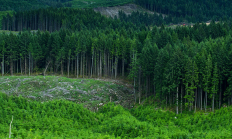
NEWPORT, Ore. – The Oregon Department of Fish and Wildlife recommends people avoid harvesting and consuming softshell and bay clams from Alsea Bay estuary after the Oregon Health Authority issued a recreational use advisory for Eckman Lake in Lincoln County. The OHA issued a July 31 advisory due to the…
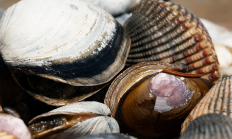
SALEM, Ore. – The Private Forest Accord Mitigation Advisory Committee will hold its regularly occurring meeting, virtually on Tuesday, June 10, 2025. For a full agenda and virtual login information about the meeting, please visit: https://www.dfw.state.or.us/habitat/PFA/meetings.html The public is welcome to attend virtually. The Private Forest Accord Mitigation Fund was established…
CENTRAL POINT, Ore. – The Oregon Department of Fish and Wildlife is hosting a family-friendly 3D archery event Aug. 2-3 at the Military Slough tract on Denman Wildlife Area. For just $10 (cash only, pay at entrance), archers can take shots at 40 3D animal targets on a two-mile course…
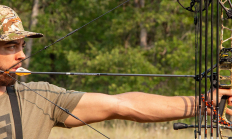
This release was updated April 25 to correct two errors (the first name of the OSP Lieutenant who testified on Sauvie Island parking issues and that the Don Lindly property was sold to Lincoln County not Lincoln City.) LINCOLN CITY, Ore.—The Commission adopted a limited entry parking program for summer…
SAUVIE ISLAND WILDIFE AREA, Ore.— To manage ongoing traffic and parking problems at Sauvie Island Wildlife Area's beaches, ODFW is introducing a new limited-entry parking pilot program. Starting July 4, vehicles will need a free Sauvie Island Beaches Pass in addition to the Wildlife Area Parking Permit ($10 daily) to…
Updated statement Friday, Nov. 7, 2025 SALEM, Ore. – A coyote was captured and humanely killed on Oct. 31 and confirmed to be the individual animal that bit a 9-year-old child in the Alameda neighborhood on Oct. 23. ODFW worked with partners at the city, state, and federal levels to…
ROSEBURG, Ore. – Learn how to hunt waterfowl or sharpen your skills in one of three waterfowl hunting workshops in Southern Oregon offered by the Oregon Department of Fish and Wildlife. ODFW hunter education specialists are teaching the workshops: Oct. 3: Klamath Falls, 6 p.m. – 9 p.m., Klamath Wildlife…
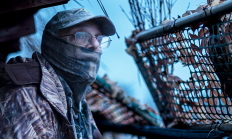
SALEM, Ore. – Mussel harvesting is now open from Cape Blanco to the California border the Oregon Department of Agriculture and the Oregon Department of Fish and Wildlife announced today. Marine biotoxin levels in this area tested below the alert level. People should always call the Shellfish Safety Hotline at…
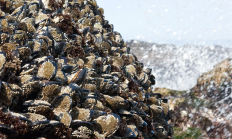
NEWPORT, Ore – Mussel harvesting is now open coastwide from the Washington border to the California border the Oregon Department of Agriculture and Oregon Department of Fish and Wildlife announced today. Marine biotoxin levels tested below the alert level. People should always call the Shellfish Safety Hotline at 1-800-448-2474 before…
ASTORIA, Ore. – Clatsop beaches reopen for razor clam harvesting Oct. 1 following the annual conservation closure that began July 15. Before harvesting razor clams or any shellfish, always call the Shellfish Safety Hotline at 1-800-448-2474 or visit the ODA Recreational Shellfish Biotoxin Webpage. During the closure, Oregon Department of…