
Search myodfw.com
Showing 81 - 100 of 401 results
CANYON CITY, Ore.- A poacher investigated for more than 50 crimes committed in Grant County between 2023 and 2024 was sentenced to 95 days behind bars and more than $22,000 in restitution and fines, according to wildlife officials. In what wildlife enforcement officers refer to as a serial poaching case…


SALEM, Ore.—Oregon's Fish and Wildlife Commission meets online Friday, Jan. 16 to amend the formula for setting Landowner Preference tags for mule deer hunts and modify the Coquille River Fall Chinook conservation hatchery program to allow the use of hatchery origin broodstock. See the full meeting agenda at https://myodfw.com/articles/commission-agenda-january-16-2026 The…
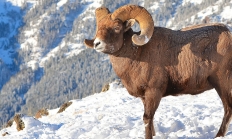
Features: Rocky Mountain bighorn sheep are the largest-bodied bighorn in North America and one of two subspecies of wild sheep in Oregon. Bighorn sheep were extirpated from the state in the 1800s so current populations are the result of a reintroduction effort by ODFW and sportsman groups. Habitat: Oregon’s estimated 800 Rocky Mountain bighorn sheep are found in the northeast corner of the state, in canyons of the Snake River and its tributaries and in alpine areas of the Wallowa Mountains. Techniques: Bighorn sheep are one of the rarest game species hunted in Oregon today, with about 100 tags available…
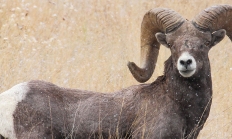
Features: California bighorn sheep are one of two subspecies of wild sheep in Oregon. They are usually smaller, with a less blocky build and smaller horns than Rocky Mountain bighorn sheep. Bighorn sheep were extirpated from the state in the 1800s. Current populations are the result of a reintroduction effort by ODFW and sportsman groups. Habitat: California bighorn sheep are the most abundant subspecies in Oregon with an estimated 3,700 found among 32 herds in central and southeast Oregon. They prefer rugged, open habitats with a good view of their surroundings. Techniques: Bighorn sheep are one of the rarest game…

SE BIG GAME HUNTING August 20, 2026 Currently open Bear, Cougar ( check current harvest numbers), and Coyote Season openings beginning in August Limited Youth Only Controlled series hunts; Premium, Auction and Raffle hunts; many Pronghorn Antelope hunts opened August 15. *Check Big Game regulations for hunt details and purchase your tag before hunting. Announcements and resources Summertime is here for youth to get ahead of the game-- Register for Hunter Safety Education before the hunt. 2026 Point Summary Reports are posted to help you plan this season's big game hunts. It's not too late to purchase Point Savers for…
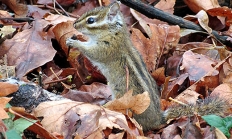
Townsend's chipmunk is the largest member of the genus in Oregon.The pelage of this chipmunk is dark and dull but as in other Oregon chipmunks, there is a dark brown to blackish middorsal stripe with alternate light and dark stripes, laterally, a total of five dark and four light stripes. Alternate dark (three) and light (two) stripes adorn the sides of the face. The throat, belly, and a patch behind the ear are white. The tail is black on the tip and the margins are frosted above with buff or white-tipped hairs. Townsend's chipmunks have been found on the west…

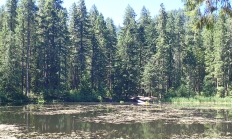
Some of Oregon's larger mammals, such as deer and elk can easily be seen at places like Jewell Meadows Wildlife Area, Dean Creek Elk Viewing Area, and the North Bank Habitat Management Area. Black-tailed deer are frequently seen in western Oregon along roadsides. Commonly seen animals include raccoons, rabbits, squirrels, and skunks. A quiet walk in the forest or desert, a keen eye and a good pair of binoculars will reward you with glimpses of some of our more secretive animals. Some viewing tips include: keep your distance, move as silently as possible or pick a spot and remain still…
The coyote is a typical canid intermediate in size between the foxes and the gray wolf. The pelage of the coyote is grayish, buff, pinkish cinnamon, or brownish, or a combination of those colors, often overlain by blackish tipped hairs on the ears, muzzle feet, and dorsum. The lips and eyelids are black, accentuated by contrasting borders of white fur. The underparts are paler than the remainder of the body. Considerable variation in color and markings of coyotes is evident among individuals and regionally east and west of the Cascade Range. True albinos with pink eyes and pink foot pads…

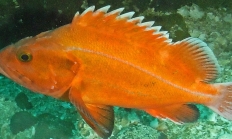
Features: They are orange red to orange yellow with a bright yellow eyes. Their fin tips may be black. On the top of their head they have a pair of rough ridges. Yelloweye, canary and vermilion rockfish can look similar. See this rockfish identification article for distinguishing features of each species Take the "Yelloweye Rockfish or Not?" quiz Habitat: Juveniles and subadults prefer shallower water than adults, and are associated with rocky reefs,and kelp canopies. Adults move into deeper water as they grow, and prefer rocky bottoms. Technique: Yelloweye rockfish are currently prohibited in the catch. Anglers are required to…
Features: The mountain goat is stockily built with black scimitar-shaped horns, large black hooves and prominent dewclaws, and an entirely white, woolly coat. Habitat: Rocky Mountain goats are found in steep and rugged habitat in eastern Oregon, including the Wallowa, Elkhorn and Strawberry mountains, and the central Cascades near Mt Jefferson. Techniques: Rocky Mountain goat tags are “once-in-a-lifetime” and less than 25 are available each year. Be prepared to hunt their steep, rugged habitat if you are lucky enough to draw a tag.


