
Search myodfw.com
Showing 121 - 140 of 849 results
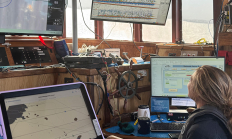
ODFW Marine Resources Program's Alex Copeland monitors scientific fish finders on board the research vessel. ODFW photo. NEWPORT, Ore. – Oregon Department of Fish and Wildlife's Marine Fisheries Research team is conducting a nearly 10-week at-sea survey to better understand the population status of black, blue, and deacon rockfish—three species…
CLACKAMAS, Ore.—Fishery managers from Oregon and Washington expanded recreational spring Chinook days and retention on the mainstem Columbia River during a joint state hearing yesterday. There is remaining harvest allocation available for increased spring Chinook opportunity while staying within allowed ESA-impact rates and other management limits. The following changes were…
Crabbing and Clamming September 17, 2026 Announcements Always check for closures at the ODA Shellfish Safety page before harvesting shellfish, which includes clams, crabs and mussels. Advisory ODFW has issued a bay clam harvest advisory for Alsea Bay estuary. Read the news release for more information. Reminder: Annual conservation closure for razor clams north of Tillamook Head (Clatsop Beaches) began July 15 and runs through September 30. The season will reopen October 1 unless there is a closure for toxin levels. Report commercial derelict crab pots If you are out on the ocean or in the Columbia River from now…

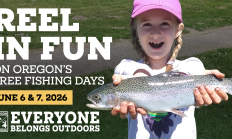
SALEM, Ore..— Everyone can fish, clam and crab for free in Oregon on Saturday and Sunday, June 6-7, 2026. No fishing/shellfish licenses or tags/validations are required on these days (meaning you do not need a Combined Angling Tag, Columbia River Basin Endorsement, Ocean Endorsement or two-rod validation where two rods…
A black bear tried its best to get into a Neskowin homeowner's bear resistant trash can. The homeowner then built a small shed to enclose the trash can. The persistent bear left its prints and claw marks on the shed but did not succeed in breaking into it. This resident…
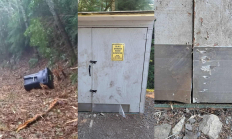
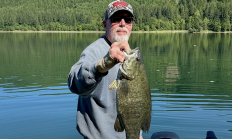
Fire Closure: As of July 29, 2026, the northern portion of the wildlife area is closed. More information here: https://myodfw.com/news/odfw-closes-northern-portion-white-river-wildli… White River Wildlife Area was established in 1953. Located along the east slope of the Cascade Mountains in the north central part of Oregon, the wildlife area encompasses 29,480 acres. An additional 1,280 acres of land owned by the Bureau of Land Management (BLM) is managed by the ODFW bringing the total acres managed by the department to 30,760. The primary purpose of White River Wildlife Area is to provide winter range habitat for black-tailed deer and Rocky Mountain elk…
Events in Coquille, Central Point, Monmouth, Eugene, Irrigon, John Day, Klamath Falls, La Grande, Madras, Portland, Tygh Valley SALEM, Ore.—Youth hunters (age 17 and under) who will have completed hunter education by the time of the event can sign up now for ODFW's free pheasant hunts happening around the state…
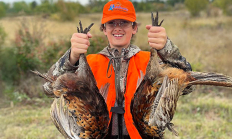
Central Point, Ore. – Hunters and recreationists who plan to use the Jackson Cooperative Travel Management Area (TMA) should download the newest version of the georeferenced .pdf map. updated on Oct. 14. There have been major changes this year, so users should double check where they plan to access. These…
CANYON CITY, Ore.- A poacher investigated for more than 50 crimes committed in Grant County between 2023 and 2024 was sentenced to 95 days behind bars and more than $22,000 in restitution and fines, according to wildlife officials. In what wildlife enforcement officers refer to as a serial poaching case…
CLACKAMAS, Ore.— Anglers will be able to use their two-rod validation in the Willamette River for hatchery spring Chinook and all other fish except sturgeon from June 3-July 31. Two rods were not originally authorized on the Willamette River this year because the forecasted return of hatchery-origin adult spring Chinook…
SALEM, Ore. – Mussel harvesting is now closed from Cape Blanco to the California border the Oregon Department of Agriculture and the Oregon Department of Fish and Wildlife announced today. Recent mussel samples indicate levels of domoic acid (a marine biotoxin) are above the safety threshold. People should always call…
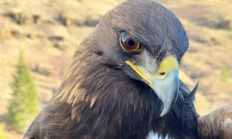
CLACKAMAS, Ore.— The last day to retain a white sturgeon in the John Day Pool (mainstem Columbia River from John Day Dam upstream to McNary Dam and adjacent tributaries) is Friday, Jan. 9. Fishery managers from Oregon and Washington made the decision today after determining that the harvest guideline in…

COLUMBIA BIG GAME HUNTING September 17, 2026 Currently open Archery deer and elk, bear, cougar ( check current harvest numbers), coyote, youth only controlled series hunts, general season antlerless elk damage, premium, auction and raffle hunts and western gray squirrel. *Check Big Game regulations for hunt details and purchase your license and required species tag before hunting. Announcements and resources Gear up for this year's Big Game Hunting Forecast and get ahead of the game! Big game statistics - You'll find links to population, harvest and maps that can help you decide where to hunt this season. Check the Leftover…