
Search myodfw.com
Showing 181 - 200 of 847 results
SALEM, Ore.—The Oregon Fish and Wildlife Commission will meet Thursday and Friday, Dec. 11-12 to set 2026 groundfish regulations and hear an informational briefing on the barbless hook requirement for Columbia River recreational fisheries. Both a Dec. 11 workshop and Dec. 12 meeting will be in a hybrid format, allowing for…


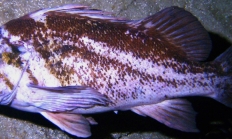
Features: These fish are olive green to dusky-brown with some light mottling towards their top sides. Their fin membranes are yellow. Habitat: Yellowtail rockfish will usually be found in offshore waters and often suspended over deep reefs and rocky habitat to as deep as 900 feet. Technique: Best success will be by first locating suspended schools of yellowtail rockfish in offshore areas during periods open for fishing offshore, and then working rubber tail jigs or shrimp flies through the schools.


Features: The widow rockfish is brassy brown with a light colored belly. Their fin membranes are also brown. They can grow to be 21-inches long. Habitat: Widow rockfish school down to 1200 ft., usually found suspended over offshore reefs and rocky areas. Technique: Best success will be by first locating suspended schools of widow rockfish in offshore areas during periods open for fishing offshore, and then working rubber tail jigs or shrimp flies through the schools.


Features: The redstripe rockfish appears red and pink. The dorsal fin is shallowly notched and the lateral line is a distinct red stripe. It has dark lips, a protruding lower jaw, and greenish stripes radiating from the eyes. Habitat: Commonly found over high-relief, rugged bottoms from 500 feet to 900 feet below the surface. Technique: Best success will be by first locating suspended schools of redstripe rockfish in offshore areas during periods open for fishing offshore. Work rubber tail jigs or shrimp flies through the schools.

The transition from forested foothills of Mt. Hood to the beginnings of the Columbia Basin offers bird hunters an array of wing shooting opportunities.
Features: These fish are dark green, gray or brown on top with an off-white belly and silver or tan sides. The underside of the head and fins can be pinkish. Long second anal fin spine. Silvergrays can be confused with bocaccio rockfish which have a short second anal fin spine. Habitat: Most commonly found between 330 and 990 feet though subadults have been found in kelp beds only 56 feet deep. Adults live over various rocky-bottom habitats. Technique: Work rubber tail jigs or shrimp flies through the schools containing these fish.

Features: Copper rockfish have variable coloration, ranging from dark or olive-brown to copper with pink or yellow blotches. They can grow to be 23-inches long. They have very tall and strong dorsal fin spines, and a clear patch along the rear half of the lateral line. Habitat: They prefer rocky, shallow areas. Though these shy fish do not school, they sometimes form small groups around man-made structures such as jetties. Technique: Copper rockfish will most readily be caught by working rubber tail jigs or bait near the bottom in shallow rocky areas.


Features: Oregon is home to an estimated 25,000-30,000 black bears, which is North America’s most common bear species. They are the only type of bear found in Oregon. Despite their name, black bears are often brown in color. Habitat: Black bears are found statewide, with concentrations in the Coast and Cascade ranges and the Blue Mountains. Techniques: Oregon offers a controlled spring season (apply by Feb. 10) and a general fall season. Glassing open areas where bears are feeding on grass and shrubs works early spring season. Later in the season, some hunters turn to predator calls. Most fall bears…

CLACKAMAS, Ore.—Oregon and Washington fishery managers have finalized preseason planning for 2025 Columbia River summer and fall recreational salmon and steelhead fisheries. Forecasts for summer steelhead, sockeye, fall Chinook, and coho will allow opportunity for anglers to target these fish. The planned 2025 fall-season fisheries are primarily limited by the…