
Search myodfw.com
Showing 181 - 200 of 542 results
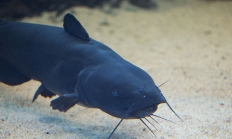
Features: Bullheads found in Oregon are distinguished from channel catfish by their square or rounded tails and lack of spotting. They seldom exceed two pounds and 18-inches long. Brown bullheads are a mottled yellowish-brown with a yellow belly and dark chin “whiskers” or barbels that are white near the base. They have a square tail. Habitat: Bullheads are found on the bottom in the shallows of mud-bottomed ponds, lakes, reservoirs and backwaters of rivers. The brown species is common throughout the state. Technique: Bullheads can be caught any month of the year, but fishing is best from the first warm…


Find maps, boundary descriptions and hunts available in the new Juntura Hunt Area. Download printable PDF map
Accessibility Statement for Oregon Department of Fish & Wildlife The Oregon Department of Fish & Wildlife is committed to providing a website experience that functions for all users regardless of ability, network speed, or device. We are continually improving the user experience for everyone, and applying the relevant accessibility standards. We invite feedback if you have issues accessing any part of https://myodfw.com/ Site features Each page on the site has a “Skip to Main Content” that’s visible on focus, giving visitors the option of jumping past navigation and into main content. A link to our Accessibility Statement and feedback form…
Find maps, boundary descriptions and hunts available in the new Northeast Hunt Area. Download printable PDF map
Features: Bullheads present in Oregon (brown, yellow and black) are distinguished from channel catfish by their square or rounded tails and lack of spotting. They seldom exceed two pounds and 18-inches long. Black bullheads have a square tail with a light vertical bar at its base and chin barbels that are all dark. Habitat: Bullheads are found on the bottom in the shallows of mud-bottomed ponds, lakes, reservoirs and backwaters of rivers. The black bullhead is primarily in reservoirs and streams tributary to the Snake River. Bullheads feed on almost any type of plant or animal material; insect larvae and…
Find maps, boundary descriptions and hunts available in the new Mid Columbia Hunt Area. Download printable PDF map

The Snake River and its impoundments offer first class fishing for warmwater species such as channel catfish, crappie and smallmouth bass. That part of the river running through the spectacular Hells Canyon Wilderness may have some of the best summer steelhead fishing in the state.
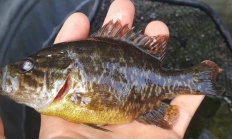
Features: Sacramento perch are blackish above with about seven vertical dark bars that are irregular in form and position. They are not a true perch, but a sunfish. It is the only member of the sunfish family native to the west coast and, in Oregon, is found only in the Klamath Basin. Sacramento perch are distinguished from the other sunfish in Oregon by having 12 or 13 dorsal fin spines whereas all the others have 10 or fewer. Maximum size in Oregon is about 12-inches in length and a weight of about 3/4 pound, although in California they have been…

Find maps, boundary descriptions and hunts available in the new Northeast Hunt Area. Download printable PDF map
SALEM, Ore. — The Oregon Department of Fish and Wildlife is seeking a new member to represent the South Willamette District on the Salmon and Trout Advisory Committee (STAC). Interested individuals are encouraged to apply by 5:00 p. m. on Aug. 4. ODFW is seeking interest from Oregonians who can…
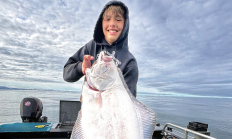
NEWPORT, Ore. – The Oregon Department of Fish and Wildlife is hosting a Feb. 2 public meeting beginning at 6 p.m. to get input on the number and timing of fixed and back-up dates for the central Oregon coast spring all-depth Pacific halibut season. The meeting is in the conference…
Find maps, boundary descriptions and hunts available in the new Southeast Hunt Area. Download printable PDF map
Find maps, boundary descriptions and hunts available in the new Southeast Hunt Area. Download printable PDF map
Features: Warmouth have more of a bass-shaped body and a larger mouth than the other sunfishes, other than the green sunfish. Warmouth are yellowish brown in color with three or four brownish bars radiating back from the eye over the gill cover. They can be distinguished from the green sunfish by the absence of turquoise mottling on the gill cover and the lack of a dark spot at the rear base of the dorsal fin. Habitat: In Oregon, warmouth are present in a few coastal lakes and widely distributed in the Columbia basin, but are not commonly caught by anglers…
Fun facts about our bats Oregon's bats eat only insects. An adult bat eats about 1,000 insects every hour! Bats hang upside down because it gives them an ideal position for take-off. Bats can fly 20 to 30 miles an hour and travel more than 100 miles a night. A baby bat is called a pup. Young bats can fly between two and five weeks of age. Bats are the only flying mammal. ODFW's Living with bats page has tips on protecting at-risk populations, and more. Bat Conservation International Batty for Bats: Facts for kids (pdf) Build a bat house…
