
Search myodfw.com
Showing 1521 - 1540 of 1673 results
Bats are important pollinators and the only flying mammals; they use sound to locate their prey, and they live a long time. Oregon has 15 species of bats, and eight of those are Oregon Conservation Strategy Species. Strategy Species are those having small or declining populations, are at-risk, and/or of management concern. Some of Oregon's species migrate south in winter while some remain here and hibernate. Bats have echolocation which allows them to make high-pitched sounds then listen to the echo of those sounds to locate where objects are. Echolocation helps them find even the smallest insect.

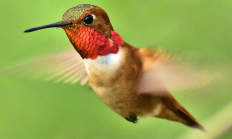


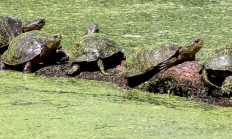
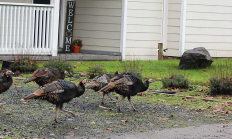
SALEM, Ore.— ODFW will host an open house on Tuesday, April 7 from 2-4 pm to discuss development of its 2027-29 Agency Request Budget. The meeting will be hosted in ODFW's headquarters classroom (4034 Fairview Industrial Drive, SE, Salem) and will be streamed online via YouTube. In Oregon, state agency budgets…
SALEM, Ore. – ODFW staff at the Ashland Boat Inspection Station found golden mussels on a watercraft that was being transported to a new owner from the Sacramento River Delta to Oregon on April 4. The watercraft was decontaminated at the inspection station and all golden mussels attached to the…
The Dalles, Ore.—The lower Deschutes River will be open for spring Chinook salmon from May 5-20. "This is exciting news for anglers as the last spring Chinook season on the Deschutes was in 2018," said Jason Seals, Deschutes District Fish Biologist. "We're expecting a return of more than 2,000 hatchery…
CLACKAMAS, Ore.—Fishery managers from Oregon and Washington took joint state action today to add another three days of recreational spring Chinook salmon fishing in the mainstem Columbia River downstream of Bonneville Dam. This fishery had closed on Wednesday, April 8 per the preseason schedule adopted in February. With the additional…
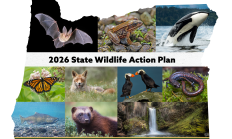
SALEM, Ore.—ODFW is excited to announce that Oregon's State Wildlife Action Plan (SWAP) has been officially approved by the U.S. Fish and Wildlife Service. This milestone marks the final step in adopting the 2026 SWAP, a science‑based roadmap to maintain healthy fish and wildlife populations, prevent further declines of at‑risk…
NEWPORT, Ore – The Pacific Fisheries Management Council (PFMC) has finalized the 2026 ocean salmon seasons including ocean waters off Oregon. Recommended salmon seasons are not official until final approval by the U.S. Secretary of Commerce (expected by Saturday, May 16), and after adoption by the Oregon Fish and Wildlife…
SALEM, Ore.—Oregon's Fish and Wildlife Commission meets April 23-24 in Lincoln City. View the agenda online. Commissioners will visit coastal coho habitat restoration and monitoring projects in the Siletz River Basin during a field tour on Thursday. To join the tour, meet at the Shearwater Inn, 120 Inlet Court at…
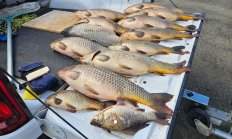
ROSEBURG, Ore. – Illegally introduced common carp were found in Cooper Creek Reservoir near Sutherlin. ODFW verified an angler's report of carp in Cooper Creek last week by electrofishing, removing 14 adult carp, most of which were pregnant females ranging in age from approximately two to eight years old. This…
SALEM, Ore. – ODFW and the Oregon Hunters Association (OHA) will give away free wildlife forage seed to landowners at E.E. Wilson Wildlife Area near Corvallis on Saturday, May 9. The giveaway coincides with OHA's Youth Field Day (limited spots available). Seed giveaway More than 500 bags of free seed…
SALEM, Ore.—With the May 15 deadline approaching, ODFW is reminding hunters to apply early for 2026 controlled deer hunts and to carefully review changes to Eastern Oregon deer hunts. With the transition from Wildlife Management Units (WMUs) to Deer Hunt Areas in eastern Oregon, hunters who wait until the last…