Search myodfw.com
Showing 21 - 40 of 120 results


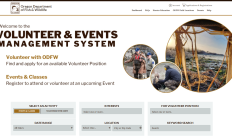
When you sign up to be an ODFW volunteer, you're helping to protect Oregon's fish and wildlife, manage ODFW properties, and share your hunting and fishing experiences with others while creating a stronger appreciation for the outdoors. Already volunteering with ODFW
Year round opportunities
Various programs statewide
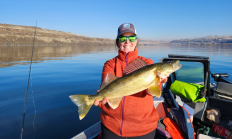
Youth can register for the Mentored Youth Hunter Program free of charge online, find more youth hunting opportunities here. ODFW connects people to Oregon's great outdoors by offering a multitude of workshops and events throughout the year. Education programs cover required Hunter Safety certification courses, ability level and age specific workshops, and events for the entire family. Let us help you prepare for your next step outdoors. Receive Workshops & Events Updates by E-mail
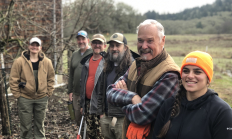
Begin your hunting journey or as an experienced hunter seek to refine your skills. The ODFW Hunter Recruitment Program offers resources and training to help you learn to hunt successfully. Connect with Oregon's outdoor traditions, enhance your skills, and contribute to a culture of safe, ethical, and conservation-minded hunting and shooting sports. More information about ODFW Hunter Recruitment Program Classes and workshops are designed for adults 18+.
Year round opportunities
Statewide

WALDPORT, Ore. — The Oregon Department of Fish and Wildlife and First Baptist Church of Waldport will host the 27th annual family fishing event at Eckman Lake on Saturday, May 16. The event will take place from 9 a.m. to 2 p.m. for youth ages 17 and younger. Each participant…

Searching for frogs and salamanders is a great way to introduce kids to the wonders of Oregon's wildlife and the great outdoors. Learn more about their various habitat needs and you'll increase your chances of seeing one of these unique species. Remember to leave no trace to preserve their habitat. Check out our fun facts on Oregon's frogs.
Accessibility Statement for Oregon Department of Fish & Wildlife The Oregon Department of Fish & Wildlife is committed to providing a website experience that functions for all users regardless of ability, network speed, or device. We are continually improving the user experience for everyone, and applying the relevant accessibility standards. We invite feedback if you have issues accessing any part of https://myodfw.com/ Site features Each page on the site has a “Skip to Main Content” that’s visible on focus, giving visitors the option of jumping past navigation and into main content. A link to our Accessibility Statement and feedback form…

SALEM, Ore. – The Oregon Fish and Wildlife Commission adopted a management plan for the Minam Wildlife Area, approved a land acquisition for Denman Wildlife Area and heard an update on Oregon's Native Seed Strategy. The plan was the result of extensive engagement with the tribes, community partners, and the…
The hoary bat has a wingspan of nearly 16 inches. It has dark fur tipped with white, a dark mask on its face, a yellow-orange throat and round ears edged in black. This bat roosts in branches of trees and likes to feed around outdoor lights. Hoary bats migrate south in winter, returning to Oregon in the spring. This bat usually bears twins. Hoary bats are found at scattered localities over most of the region west of the Cascade Range and in montane regions east of the Cascade Range. They are an Oregon Conservation Strategy Species in all ecoregions except…

This is your one-stop platform for learning how to hunt and fish in Oregon. Look at the learning opportunities to participate in one or more of the many statewide workshops offered to adults. Enjoy the great outdoors even more by building your confidence and expanding your knowledge! Youth required hunter certification: hunter safety conventional courses and field days Choose between a full conventional course or complete one of the ODFW approved online education courses plus an in-person field day. Sign up for a location, date and time that works best with your schedule. Hunter safety education events are offered year-round…