Search myodfw.com
Showing 201 - 220 of 408 results
NEWPORT, Ore. – The commercial Dungeness crab fishery opens Dec. 31 from Cape Falcon to the Washington border. Fishermen can begin the presoak period – setting baited crab pots in the water – on Dec. 28 in this area. ODFW delayed opening the north coast until crab in Long Beach…

Shellfish regulations only apply to Columbia River downstream of Tongue Point/Rocky Point line at the mouth of the Columbia River.
NEWPORT, Ore. – New research from Oregon's south coast highlights the positive economic impact of science and tourism within Redfish Rocks Marine Reserve. The study quantifies the number of jobs supported and income generated by these activities, providing important data for the local Port Orford community, policymakers, conservation practitioners, and…
SALEM, Ore.—ODFW is accepting public comments on the proposed 2027 Big Game Regulations and other agenda items the Commission will consider at their September meeting in La Grande. Comment using the links embedded with each agenda item provided on the September meeting agenda page. The deadline to submit written comments…

CENTRAL BIG GAME HUNTING September 10, 2026 Currently open Controlled archery deer and elk, bear, cougar ( check current harvest numbers), coyote, controlled youth cow hunts, premium, auction and raffle hunts. Season openings beginning in September Western gray squirrel (9/15) *Check Big Game regulations for hunt details and purchase your license and required species tag before hunting. Announcements and resources Gear up for this year's Big Game Hunting Forecast and get ahead of the game! Big game statistics - You'll find links to population, harvest and maps that can help you decide where to hunt this season. Check the Leftover…
Sauvie Island Wildlife Area protects vital waterfowl habitat and provides a public hunting area while supporting a rich diversity of wildlife, including hundreds of bird, mammal, reptile, and plant species.
Jewell Meadows Wildlife Area is located in the Oregon Coast Range Mountains, in the northwestern part of the state. The wildlife area was established in 1969, with an initial purchase of 183 acres. It now encompasses 1,114 acres. The wildlife area’s purpose is to protect and enhance habitat to benefit native wildlife species, to reduce wildlife damage to adjacent properties, and to provide the public with an opportunity to observe wildlife in a natural setting.
KLAMATH FALLS, Ore. – Sept. 30 will be the last day to fish on Spencer Creek this year, as this tributary of the Klamath River will be closed as of Oct. 1 to protect spawning fall Chinook salmon. Spencer Creek has traditionally been closed to fishing from Nov. 1 to…
Located near the Elkhorn Mountain Range, Elkhorn Wildlife Area is best known for Rocky Mountain elk and mule deer herds that use the area during the winter. To keep deer and elk from feeding on agriculture lands when they come down from snow-covered higher elevations, ODFW operates 10 feeding sites on the area to feed 1,400 elk and 800 deer during the winter months.
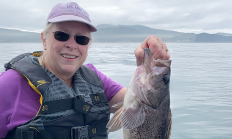
Cara Rupp with her 5 lb. 11 oz. Black rockfish near Beverly Beach State Park. Photo provided by Dennis J Rupp. NEWPORT, Ore. – The General Marine Species daily bag limit is reduced to three fish beginning Sept. 18 to lower the risk of an early season closure. The one-fish…
Find maps, boundary descriptions and the percent public land for the Steens Mountain Unit.
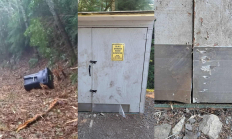
A black bear tried its best to get into a Neskowin homeowner's bear resistant trash can. The homeowner then built a small shed to enclose the trash can. The persistent bear left its prints and claw marks on the shed but did not succeed in breaking into it. This resident…
Cascade Hatchery was authorized under the Mitchell Act and began operating in 1959 as part of the Columbia River Fisheries Development Program – a program to enhance declining fish runs in the Columbia River Basin. The facility is used for egg incubation and rearing of coho.
SALEM, Ore. – Effective June 1 through Sep. 30, minimum and maximum size limits as well as the daily and possession bag limits for rainbow trout and bass are suspended for Thief Valley Reservoir, Pilcher Creek Reservoir, and Wolf Creek Reservoir which are all located within the Southeast Zone in…
Central Fishing September 10, 2026 Best bets for weekend fishing: Anglers report good fishing for recently stocked trout in North and South Twin Lakes. Anglers can still fish for trout throughout the lower Deschutes. Using a large stonefly nymph or a double nymph setup with an indicator typically does well during the summer months. Water clarity and overall conditions at Kingsley Reservoir are great for fishing, should still be good opportunity for trout this summer. As the reservoir storage level recedes, anglers report productive brown trout fishing at Wickiup Reservoir. Anglers report excellent fishing for recently stocked and holdover trout…

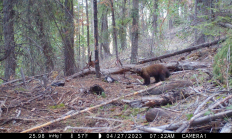
CENTRAL POINT, Ore. – The Oregon Department of Fish and Wildlife is conducting research on fisher, a forest-dwelling carnivore that once occupied forests across the Cascade and Klamath-Siskiyou regions. Today, Oregon's remaining fisher persist as a small, isolated population in the Klamath-Siskiyou Mountains. And ODFW researchers want to know how…
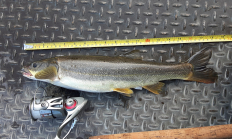
CENTRAL POINT, Ore. – The seventh annual Rogue River Pikeminnow Roundup is set for Sept. 26 - Sept. 28, offering anglers the chance to win prizes while helping protect native fish. Participants can win fishing gear, apparel, gift cards, and more by catching non-native Umpqua pikeminnow in the Rogue River…