Search myodfw.com
Showing 201 - 220 of 847 results

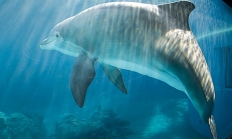
The bottlenose dolphin is the most common of the oceanic dolphins and can be found in all tropical and temperate oceans. Flipper was a bottlenose dolphin. Their considerable intelligence and permanently-affixed smile make them a favorite of aquarium and television shows. The U.S. Navy also uses bottlenose dolphins to find mines and booby traps underwater. Oregon is the northern extent of its range on the West Coast. They are most often seen offshore during the summer by tuna and other fishers. They are gray with light gray to white on the undersides. In size they range from six to 13…


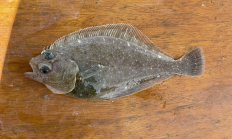
Features: The Pacific sanddab is left-eyed, meaning both eyes are on the left side of the body. The eyed-side is dull light brown, mottled with brown or black, and sometimes yellow or orange. The blind-side is off-white to tan. They have an oval shaped body with large scales. They can grow to be 16-inches long and up to 2 pounds, though most weigh less than 1/3 pound. Habitat: As you probably guessed, sanddabs like to hang out on sandy bottoms. They are most abundant at depths of 20-50 fathoms, and are common in shallow coastal waters from British Columbia to…
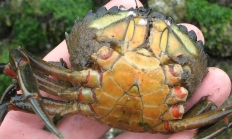
While recreationally harvesting green crab has been allowed for decades, the Oregon Fish and Wildlife Commission recently increased the daily bag limit to 35 crab. This gives recreational shellfishers an opportunity to help native shellfish by taking more of these invaders home. European green crab are an invasive species in Oregon. While recreational harvest is allowed (35 per day), harvesters must correctly identify these crabs (see below) as they often are mistaken for native species. Green crab: Compete with native crabs for food. Larger green crab may eat smaller native shellfish. May disturb eelgrass beds important to native fishes and…
Features: The name “cutthroat” is derived from the two red slash marks or streaks on the underside of the lower jaw. Lahontans don't develop the intense crimson or gold coloration that other subspecies do, but the males can develop some red on their sides. Spots on the head can help distinguish this subspecies from other inland cutthroat subspecies. Habitat: This variety has adapted to the dry, highly alkaline waters and was once widespread throughout the Lahontan Basin of California, Nevada and southeast Oregon. Today, native populations can be found in the Whitehorse and Willow creek basins in the far southeastern…

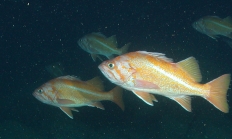
Features: Canary rockfish are named for their bright yellow to orange mottled bodies. They also have undertones of gray and three orange stripes across their heads. They grow to be 30-inches long, and have very firm and desirable meat. Habitat: Canary rockfish are a schooling fish, common along the Pacific Northwest coast over rocky reefs and pinnacles. Larger adults are usually further offshore, with younger fish sometimes common down to 100 feet. Yelloweye, canary and vermillion rockfish can look similar. See this rockfish identification article for distinguishing features for each species. Technique: They readily take both bait and lures. Locate…


CENTRAL WILDLIFE VIEWING July 30, 2026 Crook County Spring ungulate migration will soon be upon us. You can find mule deer transitioning from low elevation winter feeding areas to the higher elevation sagebrush and agricultural areas. There are red-tailed, rough-legged and ferruginous hawks, northern harriers, American kestrels, prairie falcons and golden eagles throughout Crook County and they're usually associated more closely with open/agricultural areas. Bald eagles and ospreys, on the other hand, are more closely associated with water bodies. Look for northern goshawks throughout the Ochoco National Forest, and for ducks and geese in rivers and lakes. Prineville Reservoir Wildlife Area The Prineville Reservoir Wildlife…