Search myodfw.com
Showing 261 - 280 of 897 results

Phillip W. Schneider Wildlife Area provides winter range for mule deer populations and year-round habitat for a variety of wildlife including mammals, birds, reptiles and amphibians. Elk, deer, and bighorn sheep viewing is often good during winter and early spring. Bird watching is excellent all year. Native habitats include sagebrush shrubland, riparian, ponderosa pine forest, western juniper woodland and mixed conifer which support a diversity of fish and wildlife. The riparian areas along the mainstem John Day River, South Fork John Day River and Murderers Creek provide excellent habitat for many birds. Upland areas provide important habitat for passerines and…
Central Point, Ore. – Hunters and recreationists who plan to use the Jackson Cooperative Travel Management Area (TMA) should download the newest version of the georeferenced .pdf map. updated on Oct. 14. There have been major changes this year, so users should double check where they plan to access. These…
SALEM, Ore. – The Oregon Conservation and Recreation Fund (OCRF) is now accepting letters of interest for its summer 2025 Wildlife Crossing Infrastructure Grant Opportunity, supporting capital construction projects that reduce wildlife-vehicle collisions and restore critical movement and migration pathways across Oregon. Letters of Interest must be submitted before 11:59…
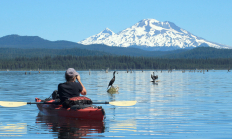


SALEM, Ore. – ODFW's Oregon Conservation and Recreation Fund (OCRF) is now accepting letters of interest for its summer 2025 Wildlife Crossing Infrastructure Grant Opportunity, supporting capital construction projects that reduce wildlife-vehicle collisions and restore critical movement and migration pathways across Oregon. Letters of Interest must be submitted before 11:59…
Crabbing and clamming are year-round activities on the Oregon coast. Clam diggers will want to watch for low tides, when more beach is exposed for digging. Crabbers will have the best luck during slack tide when crabs are walking about foraging. Visit e-regulations
Duck season has begun, plan your Sauvie Island hunt using the reservation summaries and daily harvest reports to increase your odds of success.
Updated December 31, 2025 Subscribe for updates Starting Jan. 1, 2026, an Ocean Endorsement is needed for most recreational anglers fishing in the ocean. Check the Ocean Endorsement page for more information. Ocean Endorsement
Each year ODFW assesses the freshwater escapement of Rogue River coho, fall Chinook, late run summer steelhead, and "half-pounder" steelhead by beach seining the waters near Huntley Park three times a week from Mid July thru October.

Features: Hungarian partridge have a gray-brown body with reddish brown barring on their wings, back and tail. Their beak and legs are gray. Habitat: In eastern Oregon, the best partridge populations exist in Columbia and Snake River basin counties. Although some birds may be found many miles from farming areas, the bunchgrass and sagebrush foothills adjacent to wheat and other farmlands provide the best habitat and the most stable populations. Technique: "Huns" are swift and challenging birds to hunt, usually bursting from the cover with a startling squeal and clatter of wings. They are typically hunted incidentally to pheasants or…

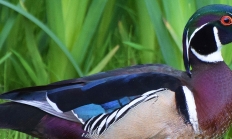
Features: Wood ducks can not be mistaken. The drake's iridescent chestnut, greens and white patterning are distinctive. The hen has a unique profile and white pattern around the eye. Habitat: Wood ducks are found in wooded swamps, on rivers and ponds. They feed on mostly seeds, but wood ducks will supplement their diet with aquatic plants, insects and crustaceans too. Acorns, hazelnuts, waste grains, and fallen seeds from trees and shrubs make up a good deal of their diet. As the name implies, they nest in tree cavities near water. Techniques: Search out a wood duck's food source and wait…
Find maps, boundary information and the percent public land in the Paulina Unit.
Find maps, unit descriptions and the percent public lands in the Starkey Unit.