
Search myodfw.com
Showing 261 - 280 of 1410 results
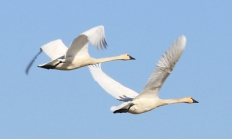
Of several swans found in Oregon, the tundra swan is by far the most common during the non-breeding season. It is most readily distinguished from the similar-appearing trumpeter swan by voice, although subtle differences in physical appearance and behavior can separate the two with difficulty. It is a fairly common transient throughout the state but most abundant at large bodies of water and wetland complexes east of the Cascades including the Malheur National Wildlife Refuge and the surrounding Harney Basin, Summer Lake Wildlife Area and the Klamath Basin. Hear the call of the tundra swan Photo by Kathy Munsel, ODFW
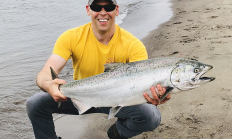

CLACKAMAS, Ore.—Fishery managers from Oregon and Washington added several days of recreational spring Chinook fishing on the mainstem Columbia River during a joint state hearing today. With these additional days, and the action taken last week, the Columbia River will be open for spring Chinook for the entire upcoming Memorial…


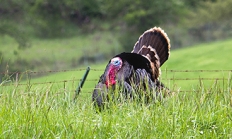
The wild turkey is the largest game bird in North American with mature males weighing upwards of 20 pounds and standing 40 inches tall. These large terrestrial birds are generally dark brown to black in appearance but iridescent color in feathers ranging from gold and copper to green and black gives a metallic appearance, particularly in full sunlight. Males and about 10 percent of females sport a unique beard of keratinous filament that protrudes from the junction of the breast and neck. Beards grow continuously but rarely exceed 10 inches in length. Females are smaller and duller in appearance. Densities…
Find maps, boundary information and the percent public land in the Upper Deschutes Unit.
When you sign up to be an ODFW volunteer, you're helping to protect Oregon's fish and wildlife, manage ODFW properties, and share your hunting and fishing experiences with others while creating a stronger appreciation for the outdoors. Already volunteering with ODFW
Year round opportunities
Various programs statewide
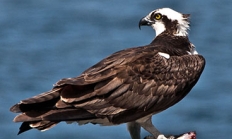
This large bird of prey has dark brown feathers above, white feathers below with a white head and prominent dark eye stripe as well as a visible dark spot at the wrist of the wing when flying. Juveniles have buffy-tipped dark feathers above. In flight, the wings have a noticeable angle or "crook." This highly migratory fish-eating species is frequently found nesting along larger rivers, lakes, and reservoirs. A large bulky nest at the very top of a live, broken top, or dead tree and more recently on utility poles, channel markers, pilings, and cell phone towers near fishable waters…
Find maps, boundary descriptions and the percent public land for the Wenaha Unit.
Find maps, boundary descriptions and the percent public land for the Siuslaw Unit.
Find maps, boundary descriptions and the percent public land for the Keno Unit.
Find the weekly statistics for waterfowl and upland game birds at Fern Ridge Wildlife Area. More information about Fern Ridge Wildlife Area
Find maps, boundary descriptions and the percent public land for the Owyhee Unit.
Find maps, boundary descriptions and the percent public land for the Walla Walla Unit.

Find maps, boundary descriptions and the percent public land for the Willamette Unit.