Search myodfw.com
Showing 361 - 380 of 785 results
Wild turkeys are not native to Oregon but were first successfully introduced in 1961. Since then more than 10,000 turkeys have been transplanted to locations all over Oregon and continue to thrive in most game units through the state. Turkey hunting is a popular activity in Oregon and has grown more than ten-fold since a statewide spring season opened in 1987. Oregon’s six-week spring turkey season is among the most liberal in the United States. Hunters have an opportunity to take up to three gobblers during the spring season and up to two birds during the fall, one of which…


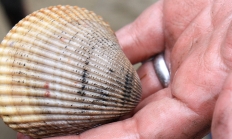
Features: Identified by its prominent radiating ridges. Habitat: Cockles are "hard shelled" clams. Their protective, stout shells and short siphons mean that they do not have to bury as deeply as other common bay clams. Good cockle beds will often have cockles right on top of the sand on a good tide. They prefer sandy areas with high salinity, but can be found at many types of tideflats. Technique: The best clamming is during low/minus tides. Because these clams are so near the surface, you rake, rather than dig, for them. A four prong gardening rake is perfect for raking…
Features: Dungeness crab can sometimes be confused with rock or other crab species. However, it is easily identified by its white-tipped claws and reddish-brown to purple color. Habitat: Adult Dungeness crab forage on a number of fish and invertebrate species. They can be found throughout the sandy and muddy areas in the shallowest parts of lower estuaries all the way to depths of almost 1,500 feet. Techniques: There are many kinds of crab catchers – from crab pots and rings, to traps you can cast with a fishing rod. You can easily crab from a dock in many coastal bays…

ENTERPRISE, Ore. – ODFW, in coordination with co-managers, will reopen harvest of wild (adipose-intact) fall Chinook salmon in the Snake River effective Saturday, Oct. 4. The reopening follows a temporary closure implemented in September to ensure fisheries remained within agreed harvest limits. During the closure, managers continued to monitor run…
Features: Gaper clams have large "neck" housing the two siphons that protrude above the substrate surface when feeding. Protective leathery plates are found just below the siphon tips and feel rough to the touch. Gapers are unable to retract their neck entirely into the shell, producing a "gape" in the shell. It is common for algae to grow on their necks and gaper pea crabs to dwell inside the shell with the gaper clam. Habitat: Gapers can be found in high salinity sandy and/or muddy areas in most of Oregon's larger estuaries. Tillamook, Netarts, Yaquina, and Coos are favorite bays…

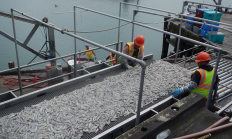
NEWPORT, Ore. – ODFW is holding a June 16 public meeting to evaluate the commercial market squid fishery. Oregon commercial squid fishers, producers and interested public are encouraged to attend. The meeting is held from 1 – 3 p.m. at Hatfield Marine Science Center in the Guin Library Seminar Room…
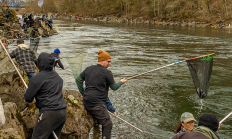
SALEM, Ore. – Recreational harvest of eulachon smelt on the Sandy River will be open from 12-7 p.m. on Wednesday, March 11 only. Regulations : Open area: From the mouth of the Sandy River upstream to the Stark Street Bridge. Limit: 10 pounds per dipper. Each dipper must dip smelt…
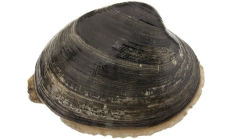
Features: Butter clams have oval and oblong shaped shells with heavy, thick valves and hinge. Their shells have fine concentric rings. When the shell is open a little, you can see the pale ruffled mantle reminiscent of a tuxedo. Like the gaper clam, they have their two siphons fused together into one "neck." Average adult size is 3-4 inches but can range up to 5 inches. Butter clams can live more than 20 years. Habitat: Butter clams can be found in a wide variety of substrates but prefer sand and gravel/cobble beaches. They live approximately 6-12 inches deep and can…
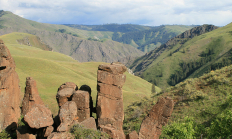
SALEM, Ore. – ODFW completed a final draft of the 2025 State Wildlife Action Plan (SWAP), now available online for public review. A virtual public meeting will be held on Wednesday, July 16 at 6 p.m., where ODFW staff will present highlights from the plan and answer questions. The public…
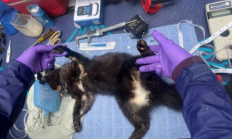
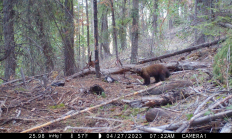
CENTRAL POINT, Ore. – The Oregon Department of Fish and Wildlife is conducting research on fisher, a forest-dwelling carnivore that once occupied forests across the Cascade and Klamath-Siskiyou regions. Today, Oregon's remaining fisher persist as a small, isolated population in the Klamath-Siskiyou Mountains. And ODFW researchers want to know how…
Get ahead of the game! Register for a full, in person Hunter Safety Conventional Course or complete an Online Course and sign up for a Field Day. ODFW connects people to Oregon's great outdoors by offering a multitude of workshops and events throughout the year. Education programs cover required Hunter Safety certification courses, ability level and age specific workshops, and events for the entire family. Let us help you prepare for your next step outdoors. Receive Workshops & Events Updates by E-mail
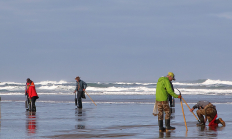
ASTORIA, Ore – The annual conservation closure of razor clamming on Clatsop beaches begins 12:01 a.m. July 15. The Oregon Department of Fish and Wildlife encourages clammers to take advantage of the low tide series that begins July 8. However, ODFW reminds clammers that although the low tide series goes…

SALEM, Ore. – The Oregon Fish and Wildlife Commission adopted a management plan for the Minam Wildlife Area, approved a land acquisition for Denman Wildlife Area and heard an update on Oregon's Native Seed Strategy. The plan was the result of extensive engagement with the tribes, community partners, and the…