
Search myodfw.com
Showing 701 - 720 of 1128 results
The North Nehalem Fish Hatchery was originally constructed in 1966. The hatchery replaced the Foley Creek Hatchery which was constructed in 1926. The facility is used for adult collection, spawning, egg incubation and rearing of fall Chinook, coho, winter steelhead and rainbow trout.
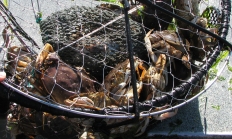
Newport, Ore. – Oregon's commercial Dungeness crab season opens Dec. 16 from Cape Falcon to the California border, the Oregon Department of Fish and Wildlife announced today. Crab will be available in time for the holiday season. Oregon will open the north coast to align with Washington once Long Beach…
CLACKAMAS, Ore. – Sturgeon retention will not open in Bonneville and The Dalles pools on the traditional date of Jan 1. following a joint state hearing held by Oregon and Washington fishery managers today. However, the retention fishery in the John Day pool, where harvest rates have been stable and…
Wizard Falls Hatchery was constructed in 1947. Many improvements have been made to the facility since original construction. The hatchery has a rainbow trout broodstock which supply rainbow trout to the Deschutes sub-basin and southeast Oregon. The hatchery is used for incubation and rearing of kokanee salmon and rainbow trout to provide for recreational fishing program objectives, and the incubation and rearing of spring Chinook and summer steelhead as part of a reintroduction program in the upper Deschutes Basin. Brook trout and cutthroat trout fingerlings are reared for the air stocking program on odd years. Kokanee salmon are spawned remotely.
The Umatilla Hatchery began operation in 1991. The hatchery is used for egg incubation and rearing of spring Chinook, fall Chinook and summer steelhead.

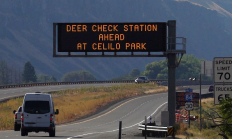
SALEM, Ore.—As 2025 deer and elk hunting seasons begin, ODFW is ramping up its Chronic Wasting Disease (CWD) surveillance statewide. Hunters are encouraged to take advantage of streamlined testing options and reminded that CWD check stations are mandatory to stop at when transporting harvested deer or elk. Sampling is quick…
Need to figure out controlled hunts, find a place to clam, learn how to fish or get directions to a wildlife area? We've got information on all that and more, straight from ODFW biologists and other accomplished hunters, anglers and wildlife watchers. Header image by Dave Budeau

The Columbia Basin Wildlife Areas are a composition of four Oregon Department of Fish and Wildlife (department) managed wildlife areas located along the Columbia River, in the Columbia Basin. The four wildlife areas (Power City, Irrigon, Coyote Springs and Willow Creek) are within the Columbia Plateau ecoregion. Management agreements for these areas were initially established between 1971 and 1977 between the department and Federal agencies which own the lands. The Columbia Basin Wildlife Areas, which total approximately 1,885 acres, provide an important landbase for the conservation and recreation of fish and wildlife within a highly privatized and altered landscape and…
Jewell Meadows Wildlife Area is located in the Oregon Coast Range Mountains, in the northwestern part of the state. The wildlife area was established in 1969, with an initial purchase of 183 acres. It now encompasses 1,114 acres. The wildlife area’s purpose is to protect and enhance habitat to benefit native wildlife species, to reduce wildlife damage to adjacent properties, and to provide the public with an opportunity to observe wildlife in a natural setting.

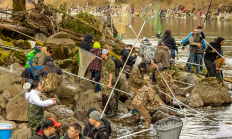

The development of the WWA began in 1953 with the acquisition of five parcels of land consisting of 4,400 acres. The Department continued to purchase additional lands, acquiring 1,670 acres in 1954 and another 760 acres in 1955. From 1961 to the present the department has purchased or received another 4,219 acres. The wildlife area currently consists of 12,419 acres owned by the department. In addition, the department, through agreements with the Bureau of Land Management (BLM), manage 1,329 acres within or adjacent to the wildlife area. The WWA was established in response to continuing complaints from landowners concerned with…
Following droughts in the 1930s that affected most of North America, major conservation efforts, by both private and governmental entities, were enacted to reverse trends of degrading and disappearing wetlands. During this time period there was a major creation and expansion of federal wildlife refuges and state wildlife areas. As the concept of waterfowl flyway management was endorsed and developed, wildlife areas were acquired and managed as part of a larger plan focused on migratory waterfowl needs. LMWA was one of several wetland-focused wildlife areas established in Oregon. Ladd Marsh Wildlife Area was established in 1949, with primary objectives of…
CLACKAMAS, Ore.— Anglers can double the odds of catching salmon in the Upper Willamette River this fall as coho again return to areas above Willamette Falls. Effective Aug. 1 through Dec. 31, anglers with the two-rod validation may use two rods in all areas of the Willamette River upstream of…