
Search myodfw.com
Showing 721 - 740 of 849 results


CLACKAMAS, Ore.— Fishery managers from Oregon and Washington extended hatchery steelhead retention for recreational anglers on the mainstem Columbia River downstream of The Dalles Dam using joint state action yesterday. Steelhead retention was initially planned to be closed in this area beginning August 1. With this extension, effective Friday, Aug…

Oregon's recreational fisheries for Pacific halibut and bottomfish are constrained by bycatch of yelloweye rockfish, an overfished species. Many of the regulations on these fisheries exist to keep bycatch of yelloweye rockfish within sustainable limits, in order to help the stock recover (for example, depth restrictions in the bottomfish fishery, and no lingcod during offshore long-leader trips). ODFW encourages anglers to reduce impacts by using descending devices to release yelloweye rockfish, and better yet, to avoid areas where they might be caught.


Various dates in September and October
Statewide
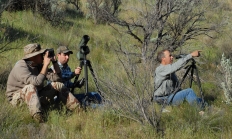
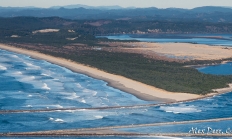
MARINE WILDLIFE VIEWING September 17, 2026 Recreating in drought and wildfire season - actions you can take to protect wildlife . For the most current fire closures and restrictions-- KNOW BEFORE YOU GO . The Oregon coast is a great place to come and view a variety of wildlife. Enjoy the great diversity of life: from giant whales and barking sea lions to majestic bald eagles and diving pelicans, to showy Harlequin ducks and flocking shorebirds, to the tiny anemones and crabs inhabiting tidepools. There is always something new to discover. Visit our wildlife viewing map for locations to visit and view wildlife along the Oregon…

Prineville Reservoir Wildlife Area came under the shared management of the Oregon Department of Fish and Wildlife & United States Bureau of Reclamation in 1962. It is managed for the protection and enhancement of wildlife habitat, big game winter range, improving riparian wetlands, and to promote wildlife stewardship. Goals of the PRWA include creating recreational opportunities for viewing and enjoying wildlife, including mule deer, bald eagles, and a variety of waterfowl. Boating, hiking, and camping are a few popular activities permitted in the wildlife management area. Hunting and fishing opportunities are also available within Prineville Reservoir Wildlife Area, as regulated…


NW Fishing September 17, 2026 Best bets for weekend fishing: Nehalem Bay has fall Chinook in the bay and tidewater. Fishing slowed a little over the past week for Chinook but there are still multiple fish being caught daily. The Bag limit is one wild adult Chinook per day and five for the season (July 1 to Nov 30) as part of the overall daily bag limit. A few hatchery coho have been caught in the bay as well. Wild coho fisheries is open in Nehalem, Tillamook, and Nestucca Bays, the season runs until Oct 28 (Open Wednesdays, Saturdays, and…
The Landowner Preference Program (LOP) was established to acknowledge the contribution of private lands to support wildlife and provide a form of compensation to landowners for resources used by wildlife. Tags are available to landowners, family members, and others designated by the landowner based on the acreage owned. Pronghorn hunts are only available to landowners and family members. Recipients of LOP tags may only hunt on the property for which they are registered. step-by-step instructions Create Landowner Account
