
Search myodfw.com
Showing 141 - 160 of 408 results
Features: They are aptly named for their color pattern and appetite. They have dark stripes running vertically down their sides, which vary in color from greenish-grey to a blush hue. They can grow in excess of 4-feet long and 30 pounds. Habitat: These fish were released in Phillips Reservoir near Baker City to help control the runaway yellow perch population that was harming the rainbow trout fishery. Technique: This is a catch-and-release fishery. Tiger muskie have a reputation for being elusive and difficult to catch. Anglers who target these fish will want a strong rod and line, a reel with…

Newport, Ore. – Oregon's commercial Dungeness crab season is delayed coastwide until at least Dec. 16, the Oregon Department of Fish and Wildlife announced today. Oregon Dungeness crab met both meat and safe biotoxin level requirements; however, the season is delayed as Long Beach, WA crabs have not yet met…
SALEM, Ore. — The Oregon Department of Fish and Wildlife is seeking a new member to represent the South Willamette District on the Salmon and Trout Advisory Committee (STAC). Interested individuals are encouraged to apply by 5:00 p. m. on Aug. 4. ODFW is seeking interest from Oregonians who can…
NEWPORT, Ore.–Chinook salmon fishing closes tonight, Aug. 17 at 11:59 p.m. from Leadbetter Pt., WA to Cape Falcon, OR. Hatchery coho fishing will continue in this area. Projected harvest of Chinook salmon in this area is near the quota allowance. The decision was made to reserve enough Chinook quota to…
There is year-round salmon, steelhead, trout and smallmouth bass in the Southwest Zone. Rainbow trout are stocked in the upper Rogue River and in lakes nestled among fir forests and wind-swept dunes. Big reservoirs provide fishing for trout and for thriving populations of largemouth bass, catfish, perch and crappie. Coastal bays serve as gateways to rich offshore reef fisheries, and miles of public beach allow anglers to fish for surfperch against a backdrop of rugged capes.
The Snake River and its impoundments offer first class fishing for warmwater species such as channel catfish, crappie and smallmouth bass. That part of the river running through the spectacular Hells Canyon Wilderness may have some of the best summer steelhead fishing in the state.
Abundant rainfall feeds the massive Willamette River watershed, tamed by a system of reservoirs that are stocked annually with hundreds of thousands of rainbow trout. Some of these reservoirs also grow trophy-size largemouth and smallmouth bass, as well as bluegill, brown bullhead and crappies. Smaller lakes and ponds nearer the valley floor provide springtime trout fishing close to home. Salmon and steelhead navigate the Willamette River and its tributaries, many of which are also home to rainbow and cutthroat trout.
CLACKAMAS, Ore.— Anglers can double the odds of catching salmon in the Upper Willamette River this fall as coho again return to areas above Willamette Falls. Effective Aug. 1 through Dec. 31, anglers with the two-rod validation may use two rods in all areas of the Willamette River upstream of…
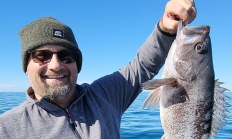
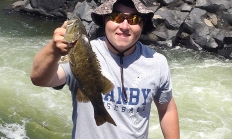
SALEM, Ore. – Oregon may soon have a new wildlife area in Union County called the Qapqápa Wildlife Area (pronounced cop-COP-a). The property would be owned by the Oregon Department of Fish and Wildlife (ODFW) and co-managed with the Confederated Tribes of the Umatilla Indian Reservation (CTUIR), continuing a decades-long…
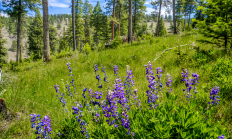
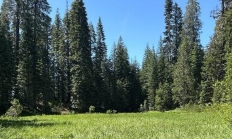
MARINE FISHING September 10, 2026 Announcements Ocean salmon closed from Leadbetter Point, WA to Cape Falcon, OR: Effective 11:59 PM Tuesday, September 8, 2026, the ocean recreational fishery in the area between Cape Falcon and Leadbetter Point (Columbia River Subarea) is closed to fishing for salmon. Possession of salmon on board a vessel is prohibited in the Columbia River Subarea. Ocean coho salmon from Cape Falcon to Humbug Mountain: Effective Saturday, September 12, 2026, at 11:59PM, the recreational fishery from Cape Falcon to Humbug Mountain is closed to the retention of coho salmon. The season remains open for all salmon…
Milton-Freewater, Ore. – Representatives from the Oregon Department of Fish and Wildlife, the Confederated Tribes of the Umatilla Indian Reservation, and the Walla Walla Basin Watershed Council gathered on Sept. 1 for a field visit to one of the region's most significant ongoing restoration efforts: the North Fork Walla Walla…
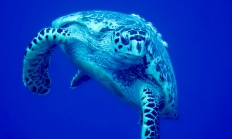
Sea turtles are federally protected under the Endangered Species Act of 1973. NOAA Fisheries is responsible for conservation and recovery of sea turtles in the marine environment, while the U.S. Fish and Wildlife Service is lead on conservation and recovery of sea turtles on nesting beaches.
The Columbia Basin Wildlife Areas are a composition of four Oregon Dept of Fish & Wildlife managed wildlife areas located along the Columbia River, in the Columbia Basin. The four wildlife areas (Power City, Irrigon, Coyote Springs and Willow Creek) are within the Columbia Plateau ecoregion. Management agreements for these areas were initially established between 1971 and 1977 between the department and Federal agencies which owns the lands. The Columbia Basin Wildlife Areas, which total approximately 1,885 acres, provide an important landbase for the conservation and recreation of fish and wildlife within a highly privatized and altered landscape and play…
Prineville Reservoir Wildlife Area came under the shared management of the Oregon Department of Fish and Wildlife & United States Bureau of Reclamation in 1962. It is managed for the protection and enhancement of wildlife habitat, big game winter range, improving riparian wetlands, and to promote wildlife stewardship. Goals of the PRWA include creating recreational opportunities for viewing and enjoying wildlife, including mule deer, bald eagles, and a variety of waterfowl. Boating, hiking, and camping are a few popular activities permitted in the wildlife management area. Hunting and fishing opportunities are also available within Prineville Reservoir Wildlife Area, as regulated…
The Columbia Basin Wildlife Areas are a composition of four Oregon Department of Fish and Wildlife (department) managed wildlife areas located along the Columbia River, in the Columbia Basin. The four wildlife areas (Power City, Irrigon, Coyote Springs and Willow Creek) are within the Columbia Plateau ecoregion. Management agreements for these areas were initially established between 1971 and 1977 between the department and Federal agencies which own the lands. The Columbia Basin Wildlife Areas, which total approximately 1,885 acres, provide an important landbase for the conservation and recreation of fish and wildlife within a highly privatized and altered landscape and…