
Search myodfw.com
Showing 141 - 160 of 399 results

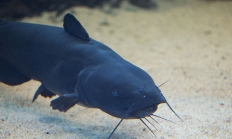
Features: Bullheads present in Oregon (brown, yellow and black) are distinguished from channel catfish by their square or rounded tails and lack of spotting. They seldom exceed two pounds and 18-inches long. Black bullheads have a square tail with a light vertical bar at its base and chin barbels that are all dark. Habitat: Bullheads are found on the bottom in the shallows of mud-bottomed ponds, lakes, reservoirs and backwaters of rivers. The black bullhead is primarily in reservoirs and streams tributary to the Snake River. Bullheads feed on almost any type of plant or animal material; insect larvae and…
The Snake River and its impoundments offer first class fishing for warmwater species such as channel catfish, crappie and smallmouth bass. That part of the river running through the spectacular Hells Canyon Wilderness may have some of the best summer steelhead fishing in the state.
Features: Sacramento perch are blackish above with about seven vertical dark bars that are irregular in form and position. They are not a true perch, but a sunfish. It is the only member of the sunfish family native to the west coast and, in Oregon, is found only in the Klamath Basin. Sacramento perch are distinguished from the other sunfish in Oregon by having 12 or 13 dorsal fin spines whereas all the others have 10 or fewer. Maximum size in Oregon is about 12-inches in length and a weight of about 3/4 pound, although in California they have been…

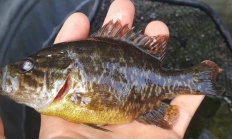
Features: Warmouth have more of a bass-shaped body and a larger mouth than the other sunfishes, other than the green sunfish. Warmouth are yellowish brown in color with three or four brownish bars radiating back from the eye over the gill cover. They can be distinguished from the green sunfish by the absence of turquoise mottling on the gill cover and the lack of a dark spot at the rear base of the dorsal fin. Habitat: In Oregon, warmouth are present in a few coastal lakes and widely distributed in the Columbia basin, but are not commonly caught by anglers…

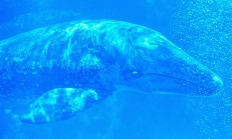
The most common whale off the Oregon coast is the gray whale. In addition to the approximately 200 resident gray whales that live nearly year-round off Oregon, a winter and spring migration brings about 18,000 more past our coast. Gray whales are baleen whales (mysticetes). They grow to 50 feet in length and will weigh up to 80,000 pounds; adult females are larger than males, which is common in all baleen whales. They do not have a dorsal fin on their back but instead have a series of knuckles. These whales are mottled gray and are covered with barnacles and…

SALEM, Ore.—ODFW is seeking qualified applicants to fill one sport fishing position and one commercial salmon industry position on the Restoration and Enhancement (R&E) Program Board. Interested individuals must apply by Oct. 6, 2025, use this form on the R&E Board page. The ideal sport fishing candidate will be a…
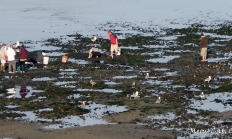
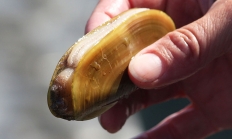
Features: This clam has a long, narrow, thin shell with a smooth brown coating. Habitat: Razor clams are found in stable, sandy, surf-swept beaches of the open coast and some coastal bays. Razor clams have the ability of digging up to a foot per minute and have been found more than four feet deep in the sand. The 18 mile stretch of Clatsop beaches account for 90% of Oregon’s razor clam harvest. The razor clam population in this area is much denser than any other area in the state. Other areas that also have razor clams include Indian Beach (Cannon…

Sport fishing offers youth and adults alike a healthy and fun recreational activity that can be shared for a lifetime with friends and family. Workshops are offered statewide throughout the year. View and register for an upcoming event: Classes and W or kshops.

Wizard Falls Hatchery was constructed in 1947. Many improvements have been made to the facility since original construction. The hatchery has a rainbow trout broodstock which supply rainbow trout to the Deschutes sub-basin and southeast Oregon. The hatchery is used for incubation and rearing of kokanee salmon and rainbow trout to provide for recreational fishing program objectives, and the incubation and rearing of spring Chinook and summer steelhead as part of a reintroduction program in the upper Deschutes Basin. Brook trout and cutthroat trout fingerlings are reared for the air stocking program on odd years. Kokanee salmon are spawned remotely.
The Bureau of Land Management maintains a series of pastures along Oregon Highway 38 that are a year-round residence for a herd of 60-100 Roosevelt elk. Elk are visible almost every day of the year!
SALEM, Ore. – The Private Forest Accord (PFA) Advisory Committee will hold its regular virtual meeting on Tuesday, October 21, 2025. Oregon Department of Fish and Wildlife staff will present two new funding pathways for the PFA Grants Program, Land Transactions and Water Transactions, followed by Advisory Committee discussion of…