
Search myodfw.com
Showing 161 - 180 of 740 results
Features: A medium-size goose, adult snow geese are white with black-tipped wings that are visible in flight. Their pronounced pink bill has a dark "grinning" patch across it, and they have pinkish feet. Young of the year snow geese are grayish white with grey legs and bills. These birds are very vocal and can be heard over a mile away. Habitat: Snow geese are well-adapted to agricultural land. They can also be found in wetlands, roosting in open water. Sauvie Island, Summer Lake and Klamath wildlife areas have abundant snow goose populations during various times of year. Technique: Snow geese…

More information about Klamath Wildlife Area
Duck season has begun, plan your Sauvie Island hunt using the reservation summaries and daily harvest reports to increase your odds of success.
Find the weekly statistics for waterfowl and upland game birds at Ladd Marsh Wildlife Area. More information about Ladd Marsh Wildlife Area
Find maps, boundary descriptions and hunts available in the new Sage Hen Hunt Area. Download printable PDF map
Find maps, boundary descriptions and hunts available in the new Poverty Basin Hunt Area. Download printable PDF map
Find maps, boundary descriptions and hunts available in the new Northeast Hunt Area. Download printable PDF map
Find the weekly statistics for waterfowl and upland game birds at Summer Lake Wildlife Area. More information about Summer Lake Wildlife Area Bird counts at Summer Lake WA

Additional events coming soon
Multiple locations
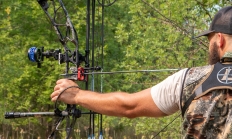
CENTRAL POINT, Ore. – ODFW is looking for a landowner representative to serve on the Access and Habitat (A&H) Program's Southwest Region Council. This position is voluntary with a four-year term and an option to be reappointed to a second term. Interested applicants can find the regional application packet at…
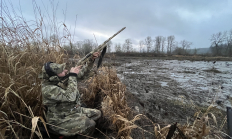
SALEM, Ore.— If you are considering registering for a youth pheasant hunt, it is not too late. More slots have opened for many youth pheasant hunts being held statewide this month after duplicate registrations were removed from the system. "We've heard some parents have been unable to sign up their…
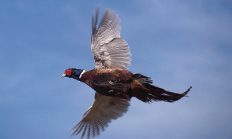
The transition from forested foothills of Mt. Hood to the beginnings of the Columbia Basin offers bird hunters an array of wing shooting opportunities.
Features: Both male and female mountain quail have a tall, straight, head plume that is black. They also have a chestnut brown throat patch that is bordered by a white stripe. Their head and shoulders are a gray color that fades into olive-brown on their backs. Their sides are brown with several black and white stripes making them a beautiful bird. Habitat: Mountain quail are native birds found on both sides of the Cascades. They thrive in the natural brushlands of southwestern Oregon and are also found in northwestern Oregon when suitable habitat is created by logging, fire or other…

This vast area covers the Columbia Basin through the Blue, Wallowa and Elkhorn mountains to the Snake River.
Features: Similar to the greater scaup in appearance and habits, but smaller and lacking the white on the primaries. In the field, however, the black-and-white drakes and brown hens are very similar to greater scaups. Habitat: In general, the lesser scaup is more likely to be found in interior or freshwater habitats while the greater scaup is more a coastal bird. Techniques: Scaup are rafting birds attracted to large spreads of scaup decoys. Popular hunting destinations include coastal estuaries and lakes, where most hunters hunt from a boat. However, in the marshes of eastern Oregon, there can be good hunting…

Hunting opportunities abound in the densely forested southwest corner of Oregon. From the beautiful, ragged coastline through the Siskiyou Mountains to Crater Lake National Park, there is something for every game bird hunter.