
Search myodfw.com
Showing 161 - 180 of 840 results
Features: Both the male and female are gray or reddish-brown on the body with dark bars and spots throughout. They have variable tail colors but always have a black band near the tip. Habitat: Ruffed grouse are most commonly found in brushy riparian areas in eastern Oregon and in early-aged mixed woodlands in western Oregon, though birds may be found in pockets of good habitat nearly anywhere. Technique: The ruffed grouse is a bird of the edge, so look in edges of meadows, clearcuts, and where brushy growth meets timber. In September, when most ruffed grouse hunting takes place in…

Features: Brant are a small to medium-size goose. They have smoky black backs and bellies, and dissected white collars and white around the tails provide striking contrast. The brant can live up to 20 years and are resilient enough to ride out storms on the open ocean. Habitats: Brant are primarily found in bays and estuaries, but on occasion can be found inland. They forage on eel grass and other aquatic vegetation. Most of their feeding is in shallow water or in tidal flats. They tend to feed in flocks. Techniques: As with any waterfowl hunting, location is key. Seek…

Duck season has begun, plan your Sauvie Island hunt using the reservation summaries and daily harvest reports to increase your odds of success.
Find the weekly statistics for waterfowl and upland game birds at Ladd Marsh Wildlife Area. More information about Ladd Marsh Wildlife Area
Find maps, boundary descriptions and hunts available in the new Sage Hen Hunt Area. Download printable PDF map

Find maps, boundary descriptions and hunts available in the new Poverty Basin Hunt Area. Download printable PDF map
Find maps, boundary descriptions and hunts available in the new Northeast Hunt Area. Download printable PDF map
Find the weekly statistics for waterfowl and upland game birds at Summer Lake Wildlife Area. More information about Summer Lake Wildlife Area Bird counts at Summer Lake WA
Additional events coming soon
Multiple locations
Features: The other "greenhead", the drake is handsome with a dark iridescent green head, white breast, reddish belly, blue wing patch of coverts, and an iridescent green speculum. Brown hens also have blue wing patches similar to that of the cinnamon and blue-wing teal. Habitat: This dabbling duck prefers lakes and ponds where it uses its unique bill to sift through water in shallow areas. Food choices include the seeds of sedges, bulrushes and other aquatic plants, duck weed, and algae; also aquatic insects, mollusks and crustaceans. Common winter species in the Willamette Valley and Columbia Basin, but widespread throughout…



SALEM, Ore.— If you are considering registering for a youth pheasant hunt, it is not too late. More slots have opened for many youth pheasant hunts being held statewide this month after duplicate registrations were removed from the system. "We've heard some parents have been unable to sign up their…
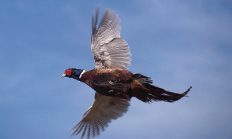
The transition from forested foothills of Mt. Hood to the beginnings of the Columbia Basin offers bird hunters an array of wing shooting opportunities.
Features: Both male and female mountain quail have a tall, straight, head plume that is black. They also have a chestnut brown throat patch that is bordered by a white stripe. Their head and shoulders are a gray color that fades into olive-brown on their backs. Their sides are brown with several black and white stripes making them a beautiful bird. Habitat: Mountain quail are native birds found on both sides of the Cascades. They thrive in the natural brushlands of southwestern Oregon and are also found in northwestern Oregon when suitable habitat is created by logging, fire or other…

This massive area is a cornucopia of geographic features and prime upland and waterfowl hunting opportunities. It is a gem of Oregon.