
Search myodfw.com
Showing 1641 - 1660 of 1668 results

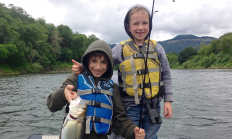
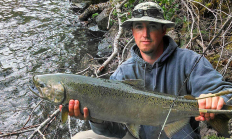
PENDLETON, Ore. – ODFW will close recreational spring Chinook retention in the Umatilla River Basin from May 30 through June 30, 2026. The closure will be in effect from the mouth of the Umatilla River, near Highway 730 bridge, to the Confederated Tribes of the Umatilla Indian Reservation (CTUIR) boundary…
Chiloquin, Ore. – After more than five years of recovery, redesign, archaeological review, and complex engineering, ODFW proudly announces the reopening of the Klamath Hatchery to the public on June 1. The facility's restoration marks the end of a long and complicated rebuild following the destruction of the original 100‑year‑old…
Fish counting through Willamette Falls fishway occurs at the main viewing window. Video cameras and time lapsed video recorders are used to record fish passage 24 hrs/day, 365 days/year. Our schedule for reviewing the tapes is Monday through Friday.
June - Various dates
EE Wilson Wildlife Area - 29555 Camp Adair Rd Monmouth, OR 97361
Willamette Fishing June 4, 2026 Best bets for weekend fishing: Shad fishing was excellent again last week in the Oregon City area. This should be a great option for most of June. Several waterbodies will be stocked with trout this week, however the unseasonably hot weather we have been experiencing is most certainly going to impact trout stockings this season. Many of the valley ponds are already too warm to receive their usual spring stockings. Fishing for spring Chinook and steelhead was good in the Clackamas River last week. Milo McIver State Park is a great place for bank anglers…
SW Fishing June 4, 2026 Best bets for weekend fishing: Trolling at Lost Creek and Applegate Reservoirs continues to be very good. Howard Prairie and Hyatt Reservoirs have plenty of legal-size rainbow trout. Holdovers from last year are a good size. Spring Chinook are moving through the Middle Rogue, and a few anglers are reporting success. Try plugs or plunking along current seams on the inside bends of the river to intercept them. Early morning or evening when sunlight is not directly on the water will be the best time to intercept migrating springers. Cooper Creek Reservoir looks nice and…
NW Fishing June 4, 2026 Trout season opened in the Northwest Zone streams Friday, May 22 nd. See the regulation booklet for limits, open areas, and bait restrictions. Cutthroat trout are present in almost all areas open to angling and sea-run cutthroat will start coming in this month. Spring Chinook are in the Lower Columbia Tributaries with fish being caught in Big Creek, Gnat Creek, and the Klaskanine River. Fishing is slow to fair but still improving. Spring Chinook fishing is in full swing on Tillamook Bay, Nestucca Bay, the Trask River, Nestucca River, and Little Nestucca River. Catches have…
CLACKAMAS, Ore.—Oregon and Washington fishery managers have finalized preseason planning for 2026 Columbia River summer and fall recreational salmon and steelhead fisheries. Forecasts for summer steelhead, sockeye, fall Chinook, and coho returns will allow opportunity for anglers to target these fish. The planned 2026 fall-season fisheries are primarily limited by…
CLACKAMAS, Ore.— Anglers will be able to use their two-rod validation in the Willamette River for hatchery spring Chinook and all other fish except sturgeon from June 3-July 31. Two rods were not originally authorized on the Willamette River this year because the forecasted return of hatchery-origin adult spring Chinook…