Search myodfw.com
Showing 241 - 260 of 399 results

NE BIG GAME HUNTING April 23, 2026 Currently open Controlled Spring Bear, Cougar ( check current harvest numbers), Coyote Announcements and resources Here's the local scoop for your hunt area in the 2026 Spring Bear Forecast. Submit your applications for 2026 controlled hunts by May 15. Big game harvest statistics - You'll find links to population, harvest and point summary reports that can help you decide what hunts to apply for this season. Please report elk with hoof disease - If you see elk showing signs of elk hoof disease, including lame or limping elk or elk with damaged, injured…
Greater sage-grouse are best known for their elaborate courtship displays that occur on traditional strutting grounds, known as leks, where males gather each spring. At all seasons, both sexes are readily identified by large size and chicken-like build. Adults are mottled dark gray, black and buff, with black bellies and pointed tails. Males have specializations used in display. Their tail feathers are long and pointed with white spots. They have yellow combs over each eye and a chest sac with two bare, yellow patches of skin which are inflated during display. The display lasts only a few seconds and is…

Features: Largemouth bass are greenish on the back and sides with a white belly and usually a dark horizontal stripe along the side. They are distinguished from their close cousin, the smallmouth, by a large mouth with the upper jaw extending behind the eye. Largemouth bass in Oregon can exceed 25 inches in length and a weight of 12 pounds. Habitats: Their preferred habitats are shallow ponds and lakes, or the backwater sloughs of rivers where aquatic plants or submerged logs and brush provide abundant cover. Largemouth bass begin life feeding on zooplankton (tiny crustaceans), but soon switch to insects…


CLACKAMAS, Ore.—Oregon and Washington fishery managers have finalized preseason planning for 2025 Columbia River summer and fall recreational salmon and steelhead fisheries. Forecasts for summer steelhead, sockeye, fall Chinook, and coho will allow opportunity for anglers to target these fish. The planned 2025 fall-season fisheries are primarily limited by the…
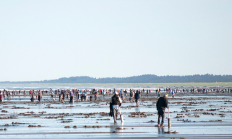
ASTORIA, Ore. – Clatsop beaches reopen for razor clam harvesting Oct. 1 following the annual conservation closure that began July 15. Before harvesting razor clams or any shellfish, always call the Shellfish Safety Hotline at 1-800-448-2474 or visit the ODA Recreational Shellfish Biotoxin Webpage. During the closure, Oregon Department of…
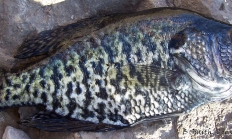
Features: Green sunfish have more of a bass-shaped body and a larger mouth than the other sunfishes, other than the warmouth. Also, unlike other sunfish except the warmouth, the pectoral fin is rounded, rather than pointed. Green sunfish are olive green on the back and sides with a yellowish-copper or brassy hue on the lower sides of the belly. Dusky, vertical bars are often present. Turquoise mottling, often in the form of bars, radiates backward from the snout and eye. They have a dark spot at the base of the rear lobe of the dorsal fin. Habitat: Green sunfish are…

Find the weekly statistics for waterfowl and upland game birds for E.E. Wilson Wildlife Area. More information about E.E. Wilson Wildlife Area
Updated December 31, 2025 Subscribe for updates Starting Jan. 1, 2026, an Ocean Endorsement is needed for most recreational anglers fishing in the ocean. Check the Ocean Endorsement page for more information. Ocean Endorsement
SALEM, Ore.--Oregon's Fish Passage Task Force will meet Wednesday, March 11, from 8:00 a.m. to noon online. The meeting agenda includes numerous ODFW Fish Passage Program updates, Task Force business items, and a round table discussion by Fish Passage Task Force Members and ODFW staff on fish passage guidance documents…
Find maps, boundary descriptions and the percent public land for the Fort Rock Unit.
Hunter's Guide Hunter's Resources Hunter's Technique Hunter's Bounty
Spring and Fall
Online Learning

Marion Forks Hatchery began operation in 1951. The U.S. Army Corps of Engineers (COE) funds the majority of operational costs as mitigation for the development of Detroit and Big Cliff dams. The hatchery is used for egg incubation and rearing of spring Chinook.
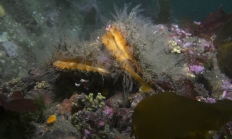
The rock scallop ( Crassadoma gigantea) lives in the swift current shallows of Oregon's nearshore rocky reefs. Due to the coloration at its hinge, it is also known as the purple hinged scallop. These highly specialized scallops cement themselves to rocks, primarily at depths from 10 to 150 feet. They feed on microscopic plankton they filter from the water and reproduce via broadcast spawning. In order for spawning to be successful, they need to be close to one another. For this reason, it is best to harvest solitary rock scallops and minimize harvest pressure on dense aggregations which are more…