
Search myodfw.com
Showing 301 - 320 of 705 results
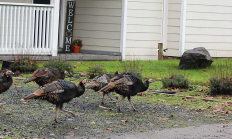

This two-hour class is for people new to hunting and provides an overview of hunting in Oregon.
Year Round
Statewide
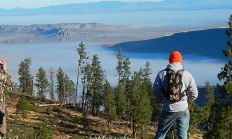
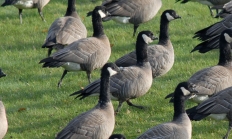
Following droughts in the 1930s that affected most of North America, major conservation efforts, by both private and governmental entities, were enacted to reverse trends of degrading and disappearing wetlands. During this time period there was a major creation and expansion of federal wildlife refuges and state wildlife areas. As the concept of waterfowl flyway management was endorsed and developed, wildlife areas were acquired and managed as part of a larger plan focused on migratory waterfowl needs. LMWA was one of several wetland-focused wildlife areas established in Oregon. Ladd Marsh Wildlife Area was established in 1949, with primary objectives of…


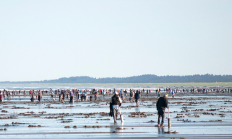
ASTORIA, Ore. – Clatsop beaches reopen for razor clam harvesting Oct. 1 following the annual conservation closure that began July 15. Before harvesting razor clams or any shellfish, always call the Shellfish Safety Hotline at 1-800-448-2474 or visit the ODA Recreational Shellfish Biotoxin Webpage. During the closure, Oregon Department of…
Fire Closure: As of July 29, 2026, the northern portion of the wildlife area is closed. More information here: https://myodfw.com/news/odfw-closes-northern-portion-white-river-wildli… White River Wildlife Area was established in 1953. Located along the east slope of the Cascade Mountains in the north central part of Oregon, the wildlife area encompasses 29,480 acres. An additional 1,280 acres of land owned by the Bureau of Land Management (BLM) is managed by the ODFW bringing the total acres managed by the department to 30,760. The primary purpose of White River Wildlife Area is to provide winter range habitat for black-tailed deer and Rocky Mountain elk…
The E.E. Wilson Wildlife Area came into existence in 1950 when the U.S. Government gave quitclaim title to the property to the Oregon Department of Fish and Wildlife. The wildlife area covers approximately 1,788 acres, is located on Highway 99W about 10 miles north of Corvallis and is situated on the Willamette Valley floor. SHOTGUN RANGE BACK OPEN AS OF LATE OCTOBER 2025: The renovation is complete and the shotgun range is back open. Improvements include: four times as many shooting lanes, fully paved ADA-compliant walkway with pullouts that will make it easier for disabled shooters, a new covered pole…
CANYON CITY, Ore.- A poacher investigated for more than 50 crimes committed in Grant County between 2023 and 2024 was sentenced to 95 days behind bars and more than $22,000 in restitution and fines, according to wildlife officials. In what wildlife enforcement officers refer to as a serial poaching case…
Oregon hosted the first successful introduction of the ring-necked pheasant in North America. This exotic game bird, released for sport hunting from China is now widely introduced and distributed throughout North America. Although more likely to run than fly, the ring-necked pheasant will explode into the air if startled, producing a distinctive sound from rapid wing-beats. It inhabits open areas such as grasslands, agricultural fields, and brushy areas, and avoids forested habitats. Hear the call of the ring-necked pheasant Photo by Charlotte Ganskopp

