
Search myodfw.com
Showing 301 - 320 of 1302 results
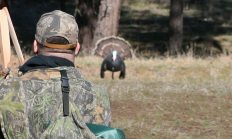
ROSEBURG, Ore. – ODFW is hosting turkey hunting workshops around the state in April for both youth and adults. If you're a new hunter, or new to turkey hunting, consider joining us for a day of learning more about turkey hunting. Youth workshops April 4 workshops at Denman Wildlife Area…
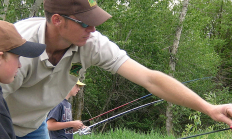
The Angler Education Program introduces sport fishing to beginners with an emphasis on youth and families. Programs are designed to provide a basic understanding of aquatic ecosystems and help people develop the skills, knowledge and responsibilities associated with angling. More information about ODFW Angler Education Program
Year round opportunities
Statewide


In Oregon, the nutria is considered an invasive species. The nutria is a large rat-like semiaquatic rodent. The species has a hunched body; a round, nearly hairless tail; a valvular mouth and nose; and pentadactyl feet with naked soles. The toes of the hind feet, except for the hallux, are included in a web. As an adaption to the aquatic environment, the eyes, nostrils, and small ears are set high on the sides. The pelage consists of long, course guard hairs and soft, dense underfur. Overall, the color usually ranges from dark brown to yellow-brown. The muzzle is frosted with…

The original portion of Fall River Hatchery construction was completed in 1929. Many improvements have been made since original construction. In 1952 the ten raceways were completed. The hatchery produces legal and trophy sized rainbow trout, and provides rainbow, brook and cutthroat trout fingerlings for air stocking programs throughout the state. The facility traps and spawns brown trout at a remote site.
Roaring River Hatchery was constructed in 1924. Many improvements have been made to the hatchery since the original construction. In 1987 and 1996 new raceway ponds were constructed to replace the original raceways. The hatchery is a mixed-stock facility, producing both anadromous fish and resident trout. The hatchery is used for rearing summer and winter steelhead from fingerling to smolt. The rainbow trout program involves broodstock maintenance, spawning, egg incubation and rearing.
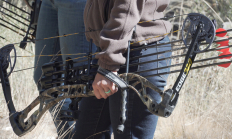
Begin your hunting journey or as an experienced hunter seek to refine your skills. The ODFW Hunter Recruitment Program offers resources and training to help you learn to hunt successfully. Connect with Oregon's outdoor traditions, enhance your skills, and contribute to a culture of safe, ethical, and conservation-minded hunting and shooting sports. More information about ODFW Hunter Recruitment Program Classes and workshops are designed for adults 18+.
Year round opportunities
Statewide
SALEM, Ore. — ODFW's Fish Restoration and Enhancement Board will meet in person on Thursday, March 5 from 8 a.m. - 5 p.m. in the classroom at ODFW Headquarters, 4034 Fairview Industrial Dr. SE. A virtual option is also available. The public can attend in person or virtually on Teams…
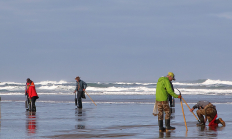
ASTORIA, Ore – The annual conservation closure of razor clamming on Clatsop beaches begins 12:01 a.m. July 15. The Oregon Department of Fish and Wildlife encourages clammers to take advantage of the low tide series that begins July 8. However, ODFW reminds clammers that although the low tide series goes…
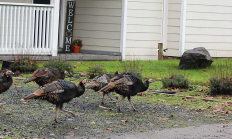
WESTERN OREGON September 10, 2026 Current season: Mourning dove, ruffed and blue grouse, Rooster pheasant and Quail (Western Oregon), Turkey (Select WMU's) Announcements, resources 2026-27 Game Bird Regulations online and available at ODFW licensed agents and vendors. Buy your 2026-27 bird stamp(s) and validations - Available for purchase now: upland and waterfowl validations, federal duck stamp and don't skip the HIP survey. Redeem your sports-pac vouchers before entering the field to hunt. Don't miss the Youth Upland Game Bird Hunts register now. Plan this season's hunts with prior year game bird harvest summaries. ODFW's Hunt by Reservation Program connects bird hunters with private landowners…
Bats are important pollinators and the only flying mammals; they use sound to locate their prey, and they live a long time. Oregon has 15 species of bats, and eight of those are Oregon Conservation Strategy Species. Strategy Species are those having small or declining populations, are at-risk, and/or of management concern. Some of Oregon's species migrate south in winter while some remain here and hibernate. Bats have echolocation which allows them to make high-pitched sounds then listen to the echo of those sounds to locate where objects are. Echolocation helps them find even the smallest insect.

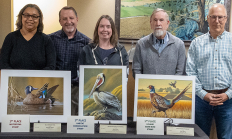
SALEM, Ore. – The winning artwork has been selected for the 2026 Oregon Waterfowl, Upland Game Bird, and Habitat Conservation Stamp Art Contests. In the Waterfowl Stamp category, first place went to Richard Clifton of Milford, Del., for his artwork featuring a blue-winged teal. For the Upland Game Bird category…
The major portion of Elk River Hatchery construction was completed in 1968. In 1971 the hatchery completed final construction on an intake and ten new ponds. The purpose of the facility is to supplement natural production of fall Chinook in the Elk and Chetco Rivers and winter steelhead in the Chetco River. The facility is used to collect Elk River fall Chinook, to incubate eggs and rear both natural and hatchery fall Chinook and winter steelhead.
SALEM, Ore. – Oregon's Fish Screening and Fish Passage Task Forces will meet Wednesday, May 6 at 8:00 a.m. The meeting is open to the public and will be held in person at The Dalles Screen Shop at 3561 Klindt Dr, The Dalles and virtually through Teams. The meeting agenda…