Search myodfw.com
Showing 321 - 340 of 346 results

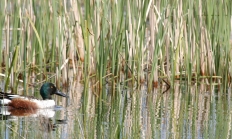
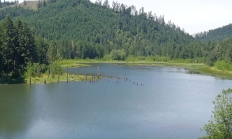
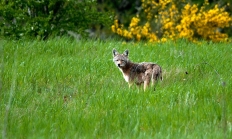




Find the weekly statistics for waterfowl and upland game birds for E.E. Wilson Wildlife Area. More information about E.E. Wilson Wildlife Area
The Winchester Dam was built in November 1890 and is in the National Register of Historical Places. Constructed from large timber cribs, the dam was originally built 4-feet high and in 1907 the dam was raised to sixteen feet. Winchester Dam provided water and electricity for the town of Roseburg until 1923. In December 1945 a more permanent fish ladder and the first fish counting station on Winchester Dam was built. Two counters working the daylight hours, counted fish that swim over a white board located about four feet below the counter. The ladder was closed when counting was no…

SE WILDLIFE VIEWING May 14, 2026 Harney County With warmer temperatures occurring throughout Harney County various orders of birds can be viewed including but not limited to Passeriformes, Galliformes, Accipitriformes, and Anseriformes. The county experienced a mild winter this season making for low snowpack accumulation even at higher elevations, access for observation opportunities should be good even early this spring. Although, those looking to explore rural areas of the county should keep recovery items in their vehicle. Spring rain occurring periodically may cause muddy conditions on unpaved roads. With the spring months comes wildlife baby season. Most wildlife species including…