Search myodfw.com
Showing 41 - 60 of 840 results
Article
Starting in 2026, deer hunts in Eastern Oregon will be organized by Deer Hunt Areas instead of traditional Wildlife Management Units (WMUs). This transition is based on new research showing that deer move across multiple WMUs throughout the year, making old systems less effective for population monitoring and harvest management. Learn more below. Use this map to compare new Deer Herd Ranges vs Wildlife Management Units. Zoom in to see WMU boundaries which are in white. View the interactive map View Individual Hunt Areas 2026 Hunt Transition Guide
November 21, 2025
Article
Pronghorn antelope are the fastest ungulates in North America and can reach speeds of up to 40 miles an hour. Oregon has about 25,000 pronghorn antelope, which are native to the Columbia Plateau and the High Desert shrublands of eastern Oregon.
January 8, 2026

Workshop and Events
Date
Various dates in September and October
Location
Statewide
Article
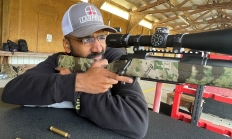
If you bought a tag you must report, even if you weren't successful or didn't hunt. Report your hunt online or at an ODFW license vendor. Hunters have until January 31 (or April 15 if purchased a late tag) each year to report their previous year's hunts.
December 8, 2025
Species and Subspecies
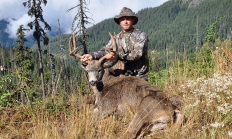
Features: Oregon’s rarest deer has a brown tail that is longer than a blacktail’s wide tail. Its antlers will branch off from a single main beam, unlike mule deer and blacktail antlers that branch twice. Habitat: The Columbian whitetail is a subspecies unique to Oregon and southwest Washington and found in just a few locations—along the lower Columbia River in Oregon and Washington, and in the Umpqua Basin near Roseburg (where it is expanding its range). Techniques: Just a few controlled hunts for this subspecies exist in the Umpqua Basin region and tags are limited; see the regulations for details.
Article
Love the taste of crab and want to try harvesting your own? Already at the beach and looking for a family-friendly activity? Here are some areas to find your favorite seafood and have a fun day on the coast.

Zones or Areas
From the rugged Coast Range to the Cascade Mountains, this vast area offers good general season hunting opportunities.
Article
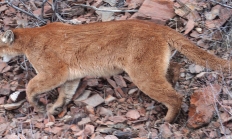
Cougar season and hunting information, including information about cougar conflict target areas. Resuming in 2022, successful cougar hunters must appear in-person at an ODFW office to check in their cougar.
Article
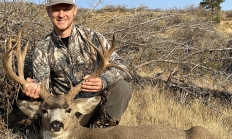
A growing number of people take to the woods in winter, looking for antlers that have been shed by Oregon’s deer and elk. This is a critical time for big game, and shed hunting responsibly can help protect vulnerable animals.
February 9, 2026
Landing page
Prioritize what you want out of your hunt Controlled Hunt Application Worksheet Steps on how to apply for a controlled hunt
February 02, 2026
Article
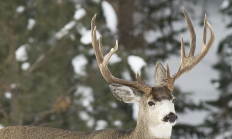
Oregon offers spring and fall bear hunting seasons. Spring bear season requires a controlled hunt application, while fall bear is an entirely general season hunt. Apply for a controlled hunt
February 19, 2026

Article
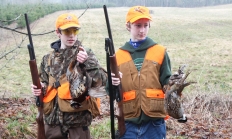
Mentored Youth Hunter Program allows youth 9 through 15 years of age to hunt without first passing an approved hunter safety education program. It gives unlicensed youngsters an unlimited opportunity to receive mentored, one-on-one field experience and training on the ethics, safety, responsibility and enjoyment of hunting while closely supervised by a licensed adult who is 21 years of age or older and who has a valid license and tag(s) for the dates, area and species being hunted. Register for the Mentored Youth Hunter Program free of charge online (in the youth account) or at any license sales agent where…
July 1, 2026
Species and Subspecies
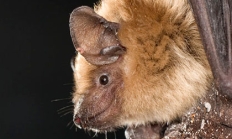
The big brown bat is a relatively large bat with a wingspan of 13 to 14 inches. Its dark color and slow flight help with identification. They are more likely to be active in cold weather than other bats and prefer human structures for roosting. The big brown bat occurs throughout the state. In eastern Oregon it forages over the forest canopy, along roads through the trees, along the forest edge, over forest clearings, and along cliffs and canyon streams. In western Oregon, the species is usually associated with coniferous and deciduous forests. Photo by ©Michael Durham
Zones or Areas
From the eastern flanks of Crater Lake National Park through the national forests of Douglas fir and ponderosa pine forests to the California border, there's plenty of public land to find your hunt.

Species and Subspecies
Features: The pronghorn is deer-sized (up to 150 lbs) with relatively long and thin legs and feet, only two digits on each foot (no "dew claws"), a relatively small tail, and unique horns. Bright white sides, underside and rear end help hunters spot them in the field. Habitat: Pronghorn are found in the High Desert sagebrush of eastern Oregon and the Columbia Plateau. Techniques: Most pronghorn hunts happen in August, before other big game seasons, so be ready for the High Desert’s warm summer temperatures. All pronghorn hunting is limited entry (apply by May 15) and it can take several…

Article
In nearly every Oregon estuary, some species of bay clams can be found. However, abundances and variety of species is different for each bay depending on a number of factors. Size and shape of the bay are the most critical factors. Tidal exchange, salinity, species ranges, and substrates also weigh heavily.
Article
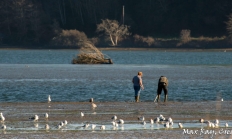
Regulated Hunt Areas (RHAs) are cooperative programs between Oregon Department of Fish and Wildlife and private landowners that offer regulated hunting on private lands. Each RHA has special regulations so be sure to check them before hunting. The Upland Cooperative Access Program (UCAP) is an incentive-based program designed to provide quality public hunting opportunities for upland game birds on private lands in Wasco, Sherman, Gilliam and Morrow counties in the Columbia Basin.
September 11, 2017
Landing page
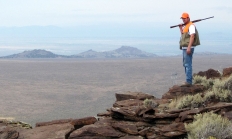
This is your one-stop platform for learning how to hunt and fish in Oregon. Look at the learning opportunities to participate in one or more of the many statewide workshops offered to adults. Enjoy the great outdoors even more by building your confidence and expanding your knowledge! Youth required hunter certification: hunter safety conventional courses and field days Choose between a full conventional course or complete one of the ODFW approved online education courses plus an in-person field day. Sign up for a location, date and time that works best with your schedule. Hunter safety education events are offered year-round…
August 14, 2025