Search myodfw.com
Showing 761 - 780 of 849 results


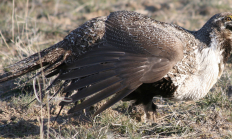
NE WILDLIFE VIEWING September 17, 2026 Recreating in drought and wildfire season - actions you can take to protect wildlife . For the most current fire closures and restrictions-- KNOW BEFORE YOU GO . Baker County Bighorn sheep can be seen in the Burnt River Canyon west of Durkee or along the Snake River Road south of Richland. The best viewing is in the early morning and late in the evening. Take the Snake River Road between Richland and Huntington to see bald and golden eagles along the Snake River. There are deer throughout the valley. Early in the morning…
Jewell Meadows Wildlife Area is located in the Oregon Coast Range Mountains, in the northwestern part of the state. The wildlife area was established in 1969, with an initial purchase of 183 acres. It now encompasses 1,114 acres. The wildlife area’s purpose is to protect and enhance habitat to benefit native wildlife species, to reduce wildlife damage to adjacent properties, and to provide the public with an opportunity to observe wildlife in a natural setting.
Lower Deschutes Wildlife Area was established in 1983, with the initial donation of land by the Oregon Wildlife Foundation (OWF) of 2,758 acres. In 1986 OWHF donated an additional 5,158 acres of land to the department. The Lower Deschutes Wildlife Area was initially established to provide permanent public angler access. However, especially with the 1986 acquisition, the wildlife area has grown to provide enhanced wildlife and fish habitat (i.e. through removal of livestock, riparian vegetation improvements, etc.) and more wildlife-oriented recreational activities such as hunting, boating, hiking and biking. In 2015, ODFW partnered with the Trust for Public Land to…
Phillip W. Schneider Wildlife Area provides winter range for mule deer populations and year-round habitat for a variety of wildlife including mammals, birds, reptiles and amphibians. Elk, deer, and bighorn sheep viewing is often good during winter and early spring. Bird watching is excellent all year. Native habitats include sagebrush shrubland, riparian, ponderosa pine forest, western juniper woodland and mixed conifer which support a diversity of fish and wildlife. The riparian areas along the mainstem John Day River, South Fork John Day River and Murderers Creek provide excellent habitat for many birds. Upland areas provide important habitat for passerines and…

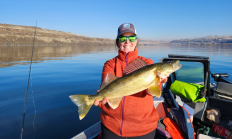
CLACKAMAS, Ore.—Fishery managers from Oregon and Washington added several days of recreational spring Chinook fishing on the mainstem Columbia River during a joint state hearing today. With these additional days, and the action taken last week, the Columbia River will be open for spring Chinook for the entire upcoming Memorial…


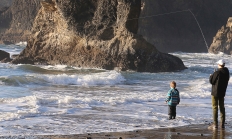
CLACKAMAS, Ore.—Fishery managers from Oregon and Washington added more recreational spring Chinook fishing days on the mainstem Columbia during a joint state hearing today. Eleven additional fishing days for the area from the Tongue Point/Rocky Point line in the estuary upstream to the Oregon/Washington border (upstream of McNary Dam) were…
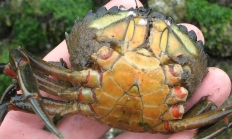
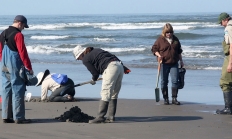
While recreationally harvesting green crab has been allowed for decades, the Oregon Fish and Wildlife Commission recently increased the daily bag limit to 35 crab. This gives recreational shellfishers an opportunity to help native shellfish by taking more of these invaders home. European green crab are an invasive species in Oregon. While recreational harvest is allowed (35 per day), harvesters must correctly identify these crabs (see below) as they often are mistaken for native species. Green crab: Compete with native crabs for food. Larger green crab may eat smaller native shellfish. May disturb eelgrass beds important to native fishes and…