
Search myodfw.com
Showing 81 - 100 of 897 results
Located near the Elkhorn Mountain Range, Elkhorn Wildlife Area is best known for Rocky Mountain elk and mule deer herds that use the area during the winter. To keep deer and elk from feeding on agriculture lands when they come down from snow-covered higher elevations, ODFW operates 10 feeding sites on the area to feed 1,400 elk and 800 deer during the winter months.
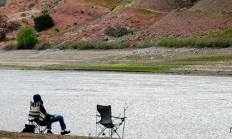
The elk is the largest cervid in Oregon. These heavy-bodied, deer-like mammals have narrow faces tapering to a naked nose pad; relatively small, pointed ears; a heavily maned neck; a back slightly humped at the shoulders, a contrasting rump patch; and a small tail. Pelage color is grayish brown to reddish brown, somewhat lighter among males in winter. The mane is dark brown and the rump patch and tail are cream colored. The underparts (except for a whitish patch between the hind legs) and legs are dark brown to almost blackish. Adult females, their current offspring, and their female offspring…

MARINE FISHING June 25, 2026 Announcements As of Jan. 1, 2026, an Ocean Endorsement is needed for most recreational anglers fishing in the ocean. Check the Ocean Endorsement page for more information. Saltwater News Bulletins Be among the first to know about in-season changes! You can subscribe to receive emails and text message alerts for marine topics that interest you. It's easy to unsubscribe at any time. Your contact information will remain confidential. Three different lists of interest to ocean enthusiasts are available: bottomfish, halibut and ocean salmon. Bottomfish A few reminders Visit the sport bottomfish seasons page to see…
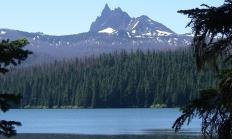

CLACKAMAS, Ore. – Angling will be closed on the lowest reach of Eagle Creek in the Clackamas basin from Sept. 27 through Oct. 31 to give coho salmon a safe resting area amid ongoing low water flows. The closure is from SE Dowty Road downstream to the Clackamas River confluence…
Prineville Reservoir Wildlife Area came under the shared management of the Oregon Department of Fish and Wildlife & United States Bureau of Reclamation in 1962. It is managed for the protection and enhancement of wildlife habitat, big game winter range, improving riparian wetlands, and to promote wildlife stewardship. Goals of the PRWA include creating recreational opportunities for viewing and enjoying wildlife, including mule deer, bald eagles, and a variety of waterfowl. Boating, hiking, and camping are a few popular activities permitted in the wildlife management area. Hunting and fishing opportunities are also available within Prineville Reservoir Wildlife Area, as regulated…


NE WILDLIFE VIEWING June 25, 2026 Baker County Bighorn sheep can be seen in the Burnt River Canyon west of Durkee or along the Snake River Road south of Richland. The best viewing is in the early morning and late in the evening. Take the Snake River Road between Richland and Huntington to see bald and golden eagles along the Snake River. There are deer throughout the valley. Early in the morning and late in the afternoon are good times to view wildlife. A drive through the foothills of the Baker valley and through the Keating valley can turn up…
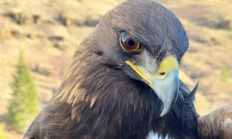

The Western fence lizard occupies a wide range of habitats, from desert canyons and grasslands to coniferous forests. It requires vertical structure in its habitat, such as rock piles or logs. It is absent from dense, humid forests and flat desert valleys. This lizard is insectivorous, and feeds on crickets, grasshoppers, beetles, ants , wasps, leafhoppers, and aphids. Some spiders are taken as well. Photo from ODFW

CENTRAL WILDLIFE VIEWING June 25, 2026 Crook County Spring ungulate migration will soon be upon us. You can find mule deer transitioning from low elevation winter feeding areas to the higher elevation sagebrush and agricultural areas. There are red-tailed, rough-legged and ferruginous hawks, northern harriers, American kestrels, prairie falcons and golden eagles throughout Crook County and they're usually associated more closely with open/agricultural areas. Bald eagles and ospreys, on the other hand, are more closely associated with water bodies. Look for northern goshawks throughout the Ochoco National Forest, and for ducks and geese in rivers and lakes. Prineville Reservoir Wildlife…
The E.E. Wilson Wildlife Area came into existence in 1950 when the U.S. Government gave quitclaim title to the property to the Oregon Department of Fish and Wildlife. The wildlife area covers approximately 1,788 acres, is located on Highway 99W about 10 miles north of Corvallis and is situated on the Willamette Valley floor. SHOTGUN RANGE BACK OPEN AS OF LATE OCTOBER 2025: The renovation is complete and the shotgun range is back open. Improvements include: four times as many shooting lanes, fully paved ADA-compliant walkway with pullouts that will make it easier for disabled shooters, a new covered pole…
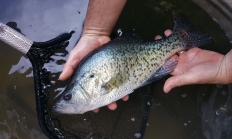
Features: White crappie are often confused with black crappie. White crappie have silvery bodies with blackish-green mottling forming narrow vertical bars on the sides. The forehead is more dished than in the black crappie. The dorsal fin has five or six spines and its length is less than the distance between the dorsal fin and eye. Habitat: White crappie do best in larger lakes and reservoirs and are more tolerant of turbidity and less dependent on aquatic vegetation than black crappie. They congregate around pilings, sunken logs, underwater brush, weed beds and rocks. White crappie begin life feeding primarily on…
In 1925 the first fish hatchery on the South Santiam River began operations about 5 miles upstream from today’s present site, rearing annually approximately 100,000 spring Chinook in dirt ponds for release into the South Santiam River. The present site came about with the construction of Foster Dam. In 1968 the facility was dedicated for the rearing of spring Chinook and summer steelhead. This facility was built and annually funded in part by the US Army Corps of Engineers to compensate for the loss of spawning and rearing areas above the dams on the South Santiam River.