
Search myodfw.com
Showing 141 - 160 of 672 results
Find maps, boundary descriptions and hunts available in the new Klamath Basin Hunt Area. Download printable PDF map
Find maps, boundary descriptions and hunts available in the new South Wallowa Hunt Area SW-02. Download printable PDF map
Find maps, boundary descriptions and hunts available in the new Devils Garden Hunt Area. Download printable PDF map
Find maps, boundary descriptions and hunts available in the new Poverty Basin Hunt Area. Download printable PDF map
Wild turkeys are not native to Oregon but were first successfully introduced in 1961. Since then more than 10,000 turkeys have been transplanted to locations all over Oregon and continue to thrive in most game units through the state. Turkey hunting is a popular activity in Oregon and has grown more than ten-fold since a statewide spring season opened in 1987. Oregon’s six-week spring turkey season is among the most liberal in the United States. Hunters have an opportunity to take up to three gobblers during the spring season and up to two birds during the fall, one of which…

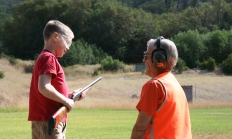
SALEM, Ore.—ODFW will host a series of online public meetings in July with district wildlife biologists presenting proposed changes to next year's big game regulations and getting feedback. Each meeting will include a presentation on 2026 proposed regulations, a Q&A and opportunity for public comment. Proposed 2026 tag numbers and…
SALEM, Ore.—With the May 15 deadline approaching, ODFW is reminding hunters to apply early for 2026 controlled deer hunts and to carefully review changes to Eastern Oregon deer hunts. With the transition from Wildlife Management Units (WMUs) to Deer Hunt Areas in eastern Oregon, hunters who wait until the last…
Various dates in September and October
Statewide

Additional events coming soon
Multiple locations
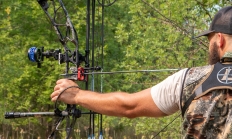
SALEM, Ore.— If you are considering registering for a youth pheasant hunt, it is not too late. More slots have opened for many youth pheasant hunts being held statewide this month after duplicate registrations were removed from the system. "We've heard some parents have been unable to sign up their…
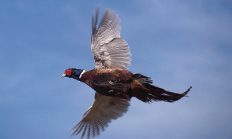
SALEM, Ore.— ODFW will host a series of free upland game bird hunts for youth hunters starting in September. The hunts will take place around the state and youth hunters (age 17 and under) who have completed hunter education by the time of the event can sign up now for…
SALEM, Ore. – The Oregon Department of Fish and Wildlife is accepting applications for the Chair position on the state Access & Habitat (A&H) Program Board. The deadline to apply is April 3, 2026. Application forms and additional information are available at: http://www.dfw.state.or.us/lands/AH/get_involved.asp The current Chair has completed the maximum…
SALEM, Ore.–The Fish and Wildlife Commission meets Sept. 11 and 12 in Ontario for a field tour on Thursday and a regular meeting on Friday. See agenda here. The meeting will also be livestreamed from the Commission page. To testify on an agenda item virtually, register on the agenda page…
Eastern Oregon mule deer are managed by Deer Hunt Areas, while all other big game, including Western Oregon deer hunts are managed by wildlife management units. Plan ahead by checking the boundaries of where you want to hunt. Hunters in Oregon can access millions of acres of public land open to hunting ( national forests, BLM land, state forests, wildlife areas) plus many private lands open through Oregon’s Access and Habitat program. See www.oregonhuntingmap.com to find a place to hunt.

The transition from forested foothills of Mt. Hood to the beginnings of the Columbia Basin offers bird hunters an array of wing shooting opportunities.
Features: The pronghorn is deer-sized (up to 150 lbs) with relatively long and thin legs and feet, only two digits on each foot (no "dew claws"), a relatively small tail, and unique horns. Bright white sides, underside and rear end help hunters spot them in the field. Habitat: Pronghorn are found in the High Desert sagebrush of eastern Oregon and the Columbia Plateau. Techniques: Most pronghorn hunts happen in August, before other big game seasons, so be ready for the High Desert’s warm summer temperatures. All pronghorn hunting is limited entry (apply by May 15) and it can take several…

Features: Both male and female mountain quail have a tall, straight, head plume that is black. They also have a chestnut brown throat patch that is bordered by a white stripe. Their head and shoulders are a gray color that fades into olive-brown on their backs. Their sides are brown with several black and white stripes making them a beautiful bird. Habitat: Mountain quail are native birds found on both sides of the Cascades. They thrive in the natural brushlands of southwestern Oregon and are also found in northwestern Oregon when suitable habitat is created by logging, fire or other…

This vast area covers the Columbia Basin through the Blue, Wallowa and Elkhorn mountains to the Snake River.