
Search myodfw.com
Showing 1361 - 1380 of 1647 results
Features: Slender birds, mourning doves have long tails and small heads. Their soft cooing and whistling wings make them unmistakable. Habitats: Mourning doves perch on telephone wires or in trees. They forage on the ground for seeds. Techniques: Scouting is always helpful. Look for a tree or telephone line that is near a food crop. Once a location is found, find a spot where a backdrop will breakup your silhouette and take a seat. Wait for a passing shot. Extra shells may be necessary.

Features: A medium-size shorebird, it is stocky with brown and buff coloration. The long, thin bill is a distinguishing feature. Habitats: As a shorebird, the Wilson's snipe is found along bog, marsh and wet meadow edges. It uses its long bill to forage for worms and other invertebrates. Techniques: Hunt along wetland edges. Because their coloration is excellent camoflage, they're difficult to see before flushing. Be quick on the draw and use a light load. They are small birds after all. Header photo by Dave Budeau

The Sierra Nevada red fox is a montane red fox subspecies. Its presence in Oregon was confirmed in 2015, specifically in the Mt. Jefferson, Mt. Washington, and Three Sisters Wilderness Areas. The Sierra Nevada red fox is smaller than the red fox and averages about eight pounds. This fox has three color phases: silver (black), "cross" color phase and the more familiar red. The Sierra Nevada red fox is an Oregon Conservation Strategy Species in the East Cascades, Klamath Mountains and West Cascades ecoregions. Research continues on this species in the Oregon Cascades. Biologists captured and radio-collared several Sierra Nevada…

Features: Wood ducks can not be mistaken. The drake's iridescent chestnut, greens and white patterning are distinctive. The hen has a unique profile and white pattern around the eye. Habitat: Wood ducks are found in wooded swamps, on rivers and ponds. They feed on mostly seeds, but wood ducks will supplement their diet with aquatic plants, insects and crustaceans too. Acorns, hazelnuts, waste grains, and fallen seeds from trees and shrubs make up a good deal of their diet. As the name implies, they nest in tree cavities near water. Techniques: Search out a wood duck's food source and wait…
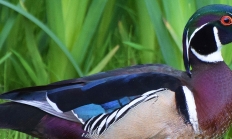
The Pacific wren makes its home in dense coniferous forests with understory thickets where it often forages for insects. This bird was considered the same species as the winter wren but is now separated as its own distinct species. The Pacific wren is rufous brown above, richly colored below, and barred with a darker brown and dusky. Young birds are distinctly less barred. It’s most easily found by its sharp kep-kep call and ringing, tinkling song. Males defend territory by singing in spring and in hopes of attracting a mate.

Features: Pinkish red to copper pink, white ventrally, pink fins. Lateral line in red zone. Second anal spine short, edge of anal fin slants posteriorly. Chin projects outward. No spine on edge of gillraker. Habitat: Large schools of chilipepper rockfish are often found between 330 and 990 feet. They will stay over sandy, muddy, or rocky bottoms but also spend time in the midwater. Technique: Play to this species’ midwater foraging nature by presenting lures that mimic their natural diet – forage fish and small squids.
The American bullfrog is a non-native invasive frog that survives and reproduces very successfully in Oregon. Bullfrogs aggressively compete for food and living space with our native frogs. They eat many types of native wildlife including other frogs, young pond turtles, and ducklings. Bullfrogs can lay almost 10 times more eggs than native frogs and can quickly out number them. Photo by Kathy Munsel

Features: The redstripe rockfish appears red and pink. The dorsal fin is shallowly notched and the lateral line is a distinct red stripe. It has dark lips, a protruding lower jaw, and greenish stripes radiating from the eyes. Habitat: Commonly found over high-relief, rugged bottoms from 500 feet to 900 feet below the surface. Technique: Best success will be by first locating suspended schools of redstripe rockfish in offshore areas during periods open for fishing offshore. Work rubber tail jigs or shrimp flies through the schools.
Features: This species is relatively thin compared to other rockfish. It is easily recognized by its three to four horizontal green stripes that extend onto the caudal fin membranes. The body color ranges from white to reddish; red or orange areas can be observed on the body after capture. Habitat: Though found between 40 and 1,632 foot depths, these rockfish tend to stay between 300 and 825 feet with older/larger individuals found deeper. They live on muddy, sandy and rocky bottoms. Technique: Rubber tail jigs or shrimp flies are good choices when targeting greenstriped rockfish. Be wary of sharp dorsal…
Features: Olive brown to red on back, silvery-red to pink on sides. Lower jaw is long and extends at least to the eye socket. Short second anal fin spine. These fish can grow up to 3 feet long. Habitat: Most common between 160 and 820 feet deep. Adults show a preference to stay close to their home swatch of rocky bottoms or outcrops. Technique: Their diet consists of invertebrates and small fishes – try a lure that mimics these sea creatures.
Features: These fish are dark green, gray or brown on top with an off-white belly and silver or tan sides. The underside of the head and fins can be pinkish. Long second anal fin spine. Silvergrays can be confused with bocaccio rockfish which have a short second anal fin spine. Habitat: Most commonly found between 330 and 990 feet though subadults have been found in kelp beds only 56 feet deep. Adults live over various rocky-bottom habitats. Technique: Work rubber tail jigs or shrimp flies through the schools containing these fish.
Features: Common carp are deep-bodied, heavy-looking fish with short heads and forked tails. They have large (really large) scales ranging from grey to bronze. Two barbels hang from each side of the upper lip of their subterminal (near the bottom of the head) mouth. This distinguishes them from goldfish that have no barbels. The dorsal fin is elongated. Habitat: Though tolerant of most conditions, common carp prefer large bodies of slow moving or standing water with soft sediments like mud or sand, and good growths of aquatic vegetation. They’re omnivorous bottom feeders that prefer aquatic insects, worms, mollusks and zooplankton…

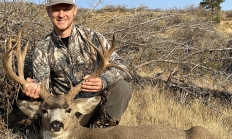
SALEM, Ore. – ODFW and the Oregon Hunters Association (OHA) will give away free wildlife forage seed to landowners at E.E. Wilson Wildlife Area near Corvallis on Saturday, May 9. The giveaway coincides with OHA's Youth Field Day (limited spots available). Seed giveaway More than 500 bags of free seed…
Oregon's diverse landscapes support diverse populations of both upland birds and waterfowl. Name a habitat type and chances are there is a game bird (or two) to be found there: coastal estuaries -- brant; rocky river canyons -- chukar partridge; marshes of eastern Oregon -- gadwall; forested slopes of the Cascades -- ruffed grouse; wooded streams of western Oregon -- wood duck; grasslands and agricultural fields -- ringnecked pheasant. And practically everywhere -- mallard and Canada goose.
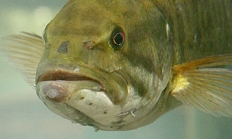
Oregon boasts dozens of species of game fish. Trout is the most popular target for anglers, but the state also has iconic salmon and steelhead runs, world-class smallmouth bass fisheries and marine opportunities for both shore and boat anglers.
SALEM, Ore.—With the May 15 deadline approaching, ODFW is reminding hunters to apply early for 2026 controlled deer hunts and to carefully review changes to Eastern Oregon deer hunts. With the transition from Wildlife Management Units (WMUs) to Deer Hunt Areas in eastern Oregon, hunters who wait until the last…
SW BIG GAME HUNTING April 23, 2026 Currently open Controlled Spring Bear, Cougar ( check current harvest numbers), Coyote Announcements and resources Here's the local scoop for your hunt area in the 2026 Spring Bear Forecast. Submit your applications for 2026 controlled hunts by May 15. Big game harvest statistics - You'll find links to population, harvest and point summary reports that can help you decide what hunts to apply for this season. Please report elk with hoof disease - If you see elk showing signs of elk hoof disease, including lame or limping elk or elk with damaged, injured…