Search myodfw.com
Showing 1 - 20 of 509 results

ORDER Replacement Hunter Safety Card
Available
Online

ODFW manages 20 wildlife areas across the state, each with a unique blend of fishing, hunting and wildlife viewing opportunities. Remember, you'll need a Wildlife Area Parking Permit for your visit. See the map and listing below to find the wildlife area nearest you.
Oregon's 33 hatcheries produce about 40 million fish annually and you can visit them. They offer the chance to see fish – from eggs to brooders – and an opportunity to learn how they are raised. Oregon's hatcheries are important for anglers and the public because they directly provide fish for angling, help rebuild native fish populations, and offer educational programs. They are also vital to supporting the cultural heritage of Tribes. Hatcheries offer great wildlife viewing, interpretive displays and some provide boating and angling access. Did you know that ODFW rears 10 species of fish including steelhead/rainbow trout, brook…

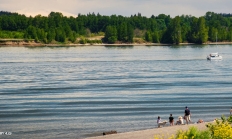
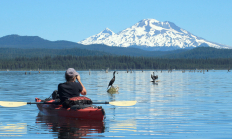
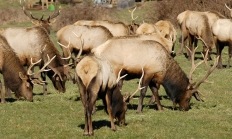
Phillip W. Schneider Wildlife Area provides winter range for mule deer populations and year-round habitat for a variety of wildlife including mammals, birds, reptiles and amphibians. Elk, deer, and bighorn sheep viewing is often good during winter and early spring. Bird watching is excellent all year. Native habitats include sagebrush shrubland, riparian, ponderosa pine forest, western juniper woodland and mixed conifer which support a diversity of fish and wildlife. The riparian areas along the mainstem John Day River, South Fork John Day River and Murderers Creek provide excellent habitat for many birds. Upland areas provide important habitat for passerines and…
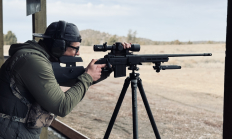
This is a one-day training course designed for hunters who want to shoot farther when conditions and skill allow. This course emphasizes ethical shot execution and practical field positions with mid-to-long range targets.
August
Multiple locations
Jewell Meadows Wildlife Area is located in the Oregon Coast Range Mountains, in the northwestern part of the state. The wildlife area was established in 1969, with an initial purchase of 183 acres. It now encompasses 1,114 acres. The wildlife area’s purpose is to protect and enhance habitat to benefit native wildlife species, to reduce wildlife damage to adjacent properties, and to provide the public with an opportunity to observe wildlife in a natural setting.
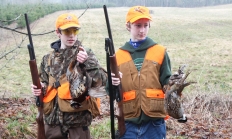
The Columbia Basin Wildlife Areas are a composition of four Oregon Department of Fish and Wildlife (department) managed wildlife areas located along the Columbia River, in the Columbia Basin. The four wildlife areas (Power City, Irrigon, Coyote Springs and Willow Creek) are within the Columbia Plateau ecoregion. Management agreements for these areas were initially established between 1971 and 1977 between the department and Federal agencies which own the lands. The Columbia Basin Wildlife Areas, which total approximately 1,885 acres, provide an important landbase for the conservation and recreation of fish and wildlife within a highly privatized and altered landscape and…
Summer Lake Wildlife Area was established in 1944, with primary objectives of protecting and improving waterfowl habitat and providing a public hunting area. It is now a popular destination for hunting, wildlife viewing and environmental education due to its geographic setting, the abundance of wildlife present and species diversity.
Sauvie Island Wildlife Area protects vital waterfowl habitat and provides a public hunting area while supporting a rich diversity of wildlife, including hundreds of bird, mammal, reptile, and plant species.