Search myodfw.com
Showing 321 - 340 of 795 results
Round Butte Hatchery was constructed in 1972 to mitigate for the fishery losses caused by Pelton/Round Butte (PRB) Hydroelectric Complex. Round Butte and its satellite, Pelton Ladder, are used for adult collection, egg incubation and rearing of spring Chinook, summer steelhead, and sockeye salmon.
Protecting and enhancing Oregon’s fish and wildlife, and the habitats they use, for the use and enjoyment of present and future generations is at the heart of what we do.

Find the weekly statistics for waterfowl and upland game birds at Fern Ridge Wildlife Area. More information about Fern Ridge Wildlife Area
SNAKE FISHING September 10, 2026 Best bets for weekend fishing Bass and trout can be caught downstream of Hells Canyon Dam. Fall Chinook salmon reopened on August 18 on Snake River downstream of Hells Canyon Dam, harvest limits have been adjusted due to low return numbers. See the regulation updates page for more information. Announcements: Fishing in drought and wildfire season - actions you can take to protect wildlife and yourself. For the most current fire closures and restrictions-- KNOW BEFORE YOU GO . If your favorite fishing spot is no longer listed It's probably because that river, lake or…
NE WILDLIFE VIEWING September 10, 2026 Recreating in drought and wildfire season - actions you can take to protect wildlife . For the most current fire closures and restrictions-- KNOW BEFORE YOU GO . Baker County Bighorn sheep can be seen in the Burnt River Canyon west of Durkee or along the Snake River Road south of Richland. The best viewing is in the early morning and late in the evening. Take the Snake River Road between Richland and Huntington to see bald and golden eagles along the Snake River. There are deer throughout the valley. Early in the morning…
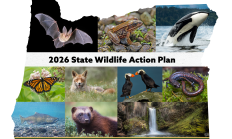
SALEM, Ore.—ODFW is excited to announce that Oregon's State Wildlife Action Plan (SWAP) has been officially approved by the U.S. Fish and Wildlife Service. This milestone marks the final step in adopting the 2026 SWAP, a science‑based roadmap to maintain healthy fish and wildlife populations, prevent further declines of at‑risk…


SALEM, Ore.—Oregon's Fish and Wildlife Commission will meet Friday, Aug. 15 in Salem at ODFW Headquarters, 4034 Fairview Industrial Drive SE. The meeting will be livestreamed from the Commission page. See the agenda here. (Note that Commission materials have moved to myodfw.com while ODFW's older website odfw.com is transitioned to…
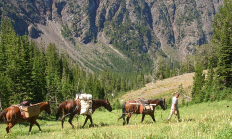
SALEM, Ore.—Members of the Oregon Hunters Association's Klamath Chapter, the West Cascade Chapter of Back Country Horsemen and Wallowa County landowner Lionel Sauvage were recognized for their contributions to Oregon's fish and wildlife during today's meeting in Salem. Landowner Lionel Sauvage and the Sauvage Family of Wallowa County received the…
Sport fishing offers youth and adults alike a healthy and fun recreational activity that can be shared for a lifetime with friends and family. Workshops are offered statewide throughout the year. View and register for an upcoming event: Classes and W or kshops.