
Search myodfw.com
Showing 401 - 420 of 741 results


SE WILDLIFE VIEWING September 17, 2026 Recreating in drought and wildfire season - actions you can take to protect wildlife . For the most current fire closures and restrictions-- KNOW BEFORE YOU GO . Harney County Cooler temperatures are moving into the district with fall on the way. Although some precipitation is expected this week, the county is moderately dry in areas. Remember to be mindful when recreating outdoors and take precautions not to cause any fires. Parking away from dry combustible materials is one way to do so. The county experienced a mild winter last season making for low…
Following droughts in the 1930s that affected most of North America, major conservation efforts, both private and governmental, were enacted to reverse trends of degrading and disappearing wetlands. During this time period there was a major creation and expansion of Federal refuges and State wildlife areas. As the concept of waterfowl flyway management was endorsed and developed, wildlife areas were acquired and managed as part of a larger plan focused on migratory waterfowl needs. Klamath Wildlife Area was one of several wetland-focused wildlife areas established in Oregon. KWA was established in 1958, with primary objectives of protecting and improving waterfowl…
The Columbia Basin Wildlife Areas are a composition of four Oregon Department of Fish and Wildlife (department) managed wildlife areas located along the Columbia River, in the Columbia Basin. The four wildlife areas (Power City, Irrigon, Coyote Springs and Willow Creek) are within the Columbia Plateau ecoregion. Management agreements for these areas were initially established between 1971 and 1977 between the department and Federal agencies which own the lands. The Columbia Basin Wildlife Areas, which total approximately 1,885 acres, provide an important landbase for the conservation and recreation of fish and wildlife within a highly privatized and altered landscape and…
When you sign up to be an ODFW volunteer, you're helping to protect Oregon's fish and wildlife, manage ODFW properties, and share your hunting and fishing experiences with others while creating a stronger appreciation for the outdoors. Already volunteering with ODFW
Year round opportunities
Various programs statewide
Coquille Valley Wildlife Area was initially established in 2013 with two equally important primary objectives; (1) To protect, enhance, and restore fish and wildlife habitats located on the WA, and (2) to provide a wide variety of wildlife-oriented recreational and educational opportunities to the public.

CANYON CITY, Ore.- A poacher investigated for more than 50 crimes committed in Grant County between 2023 and 2024 was sentenced to 95 days behind bars and more than $22,000 in restitution and fines, according to wildlife officials. In what wildlife enforcement officers refer to as a serial poaching case…
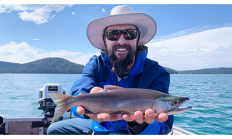
Prineville Reservoir Wildlife Area came under the shared management of the Oregon Department of Fish and Wildlife & United States Bureau of Reclamation in 1962. It is managed for the protection and enhancement of wildlife habitat, big game winter range, improving riparian wetlands, and to promote wildlife stewardship. Goals of the PRWA include creating recreational opportunities for viewing and enjoying wildlife, including mule deer, bald eagles, and a variety of waterfowl. Boating, hiking, and camping are a few popular activities permitted in the wildlife management area. Hunting and fishing opportunities are also available within Prineville Reservoir Wildlife Area, as regulated…
Following droughts in the 1930s that affected most of North America, major conservation efforts, by both private and governmental entities, were enacted to reverse trends of degrading and disappearing wetlands. During this time period there was a major creation and expansion of federal wildlife refuges and state wildlife areas. As the concept of waterfowl flyway management was endorsed and developed, wildlife areas were acquired and managed as part of a larger plan focused on migratory waterfowl needs. LMWA was one of several wetland-focused wildlife areas established in Oregon. Ladd Marsh Wildlife Area was established in 1949, with primary objectives of…
The Columbia Basin Wildlife Areas are a composition of four Oregon Dept of Fish & Wildlife managed wildlife areas located along the Columbia River, in the Columbia Basin. The four wildlife areas (Power City, Irrigon, Coyote Springs and Willow Creek) are within the Columbia Plateau ecoregion. Management agreements for these areas were initially established between 1971 and 1977 between the department and Federal agencies which owns the lands. The Columbia Basin Wildlife Areas, which total approximately 1,885 acres, provide an important landbase for the conservation and recreation of fish and wildlife within a highly privatized and altered landscape and play…
The E.E. Wilson Wildlife Area came into existence in 1950 when the U.S. Government gave quitclaim title to the property to the Oregon Department of Fish and Wildlife. The wildlife area covers approximately 1,788 acres, is located on Highway 99W about 10 miles north of Corvallis and is situated on the Willamette Valley floor. SHOTGUN RANGE BACK OPEN AS OF LATE OCTOBER 2025: The renovation is complete and the shotgun range is back open. Improvements include: four times as many shooting lanes, fully paved ADA-compliant walkway with pullouts that will make it easier for disabled shooters, a new covered pole…